
Last updated September 24, 2026
Free in-home measure and quote - PGT, CGI and CWS impact lines compared on your actual openings, style by style
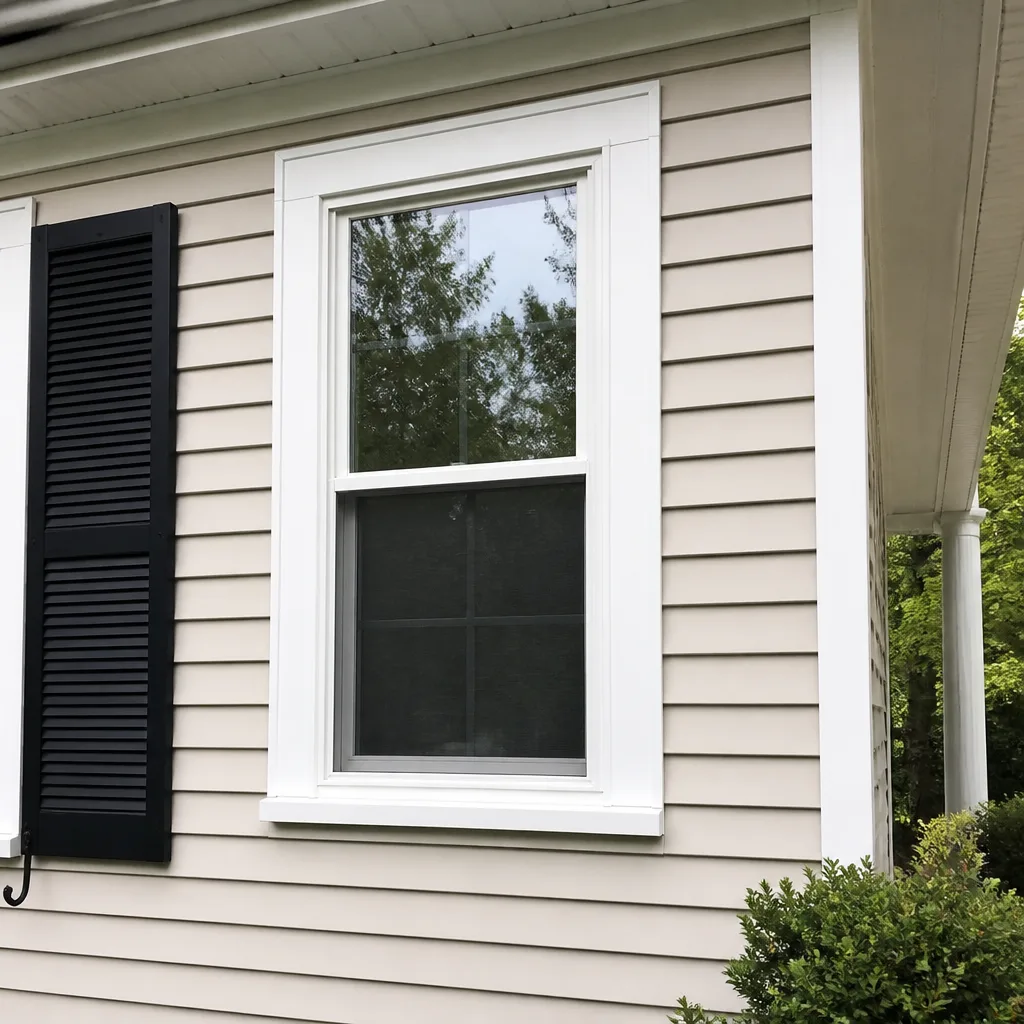
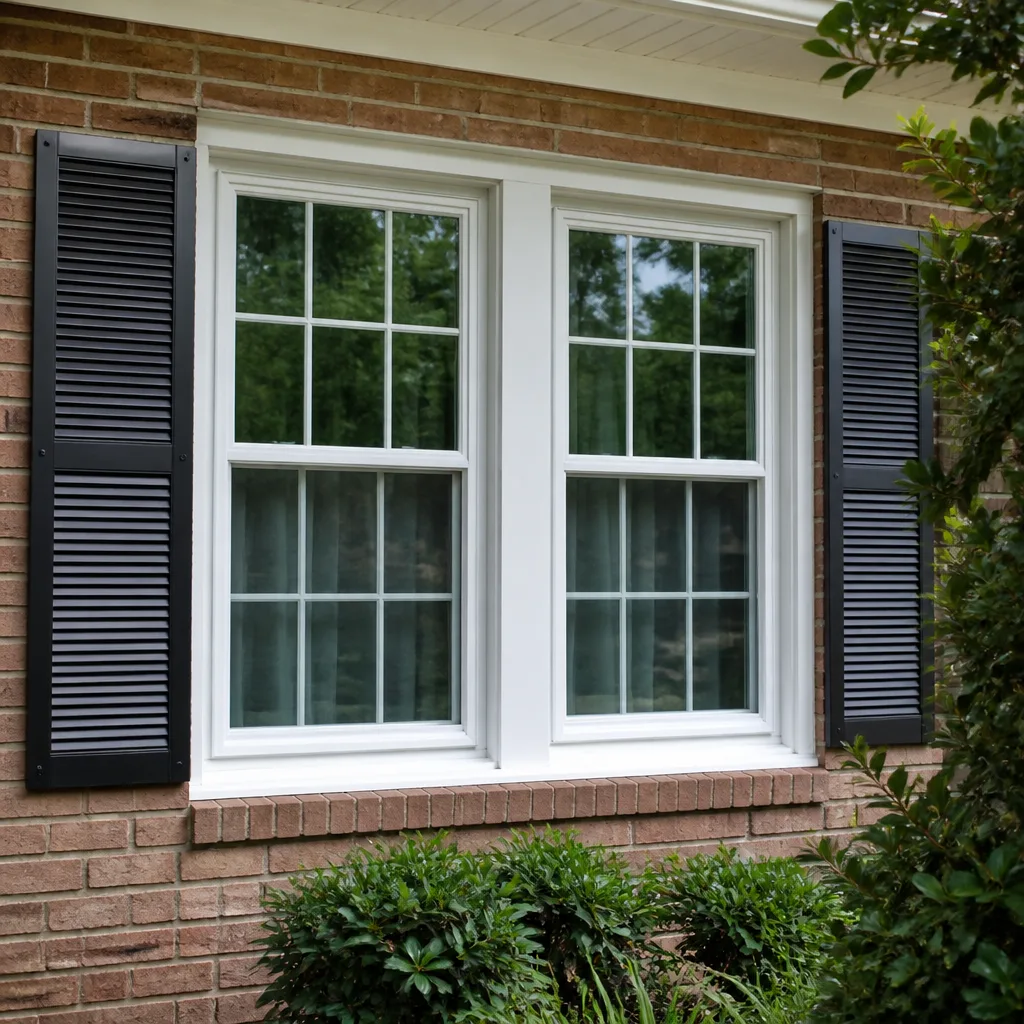
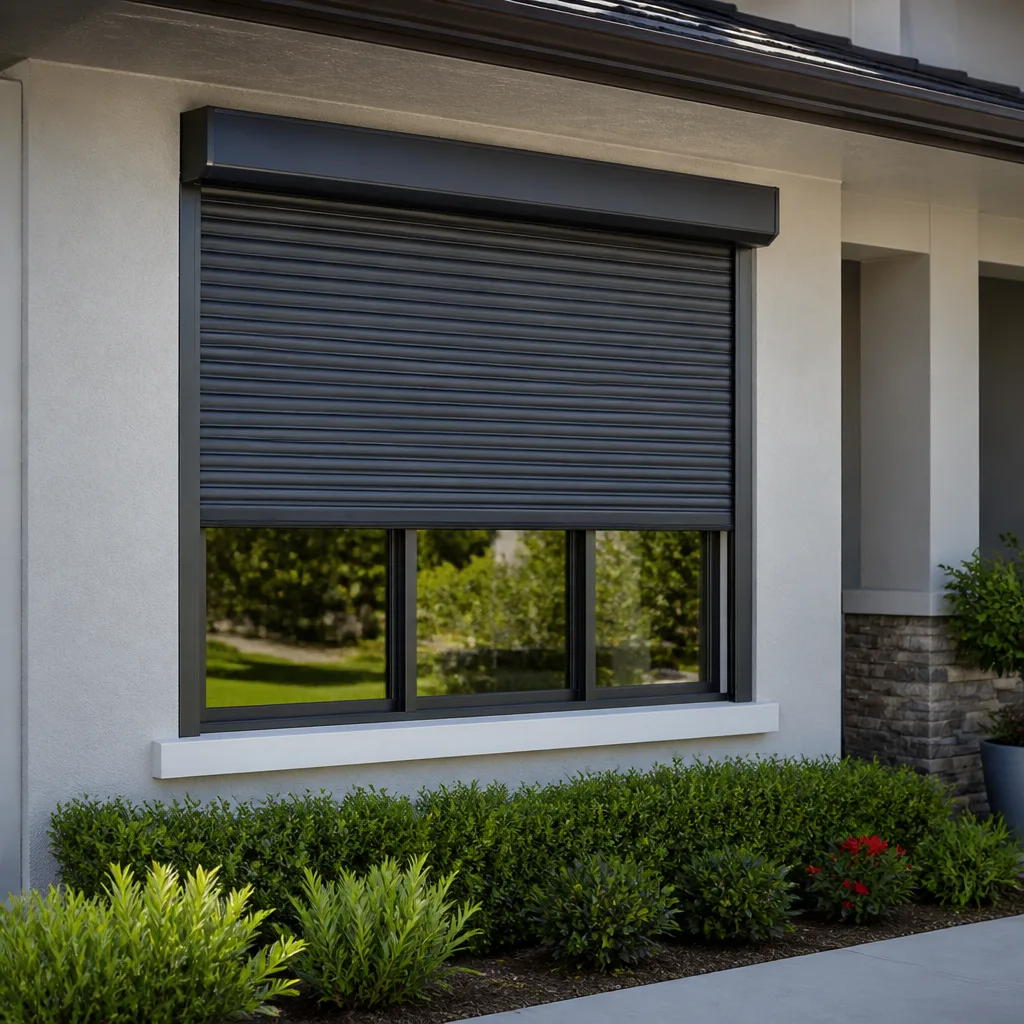
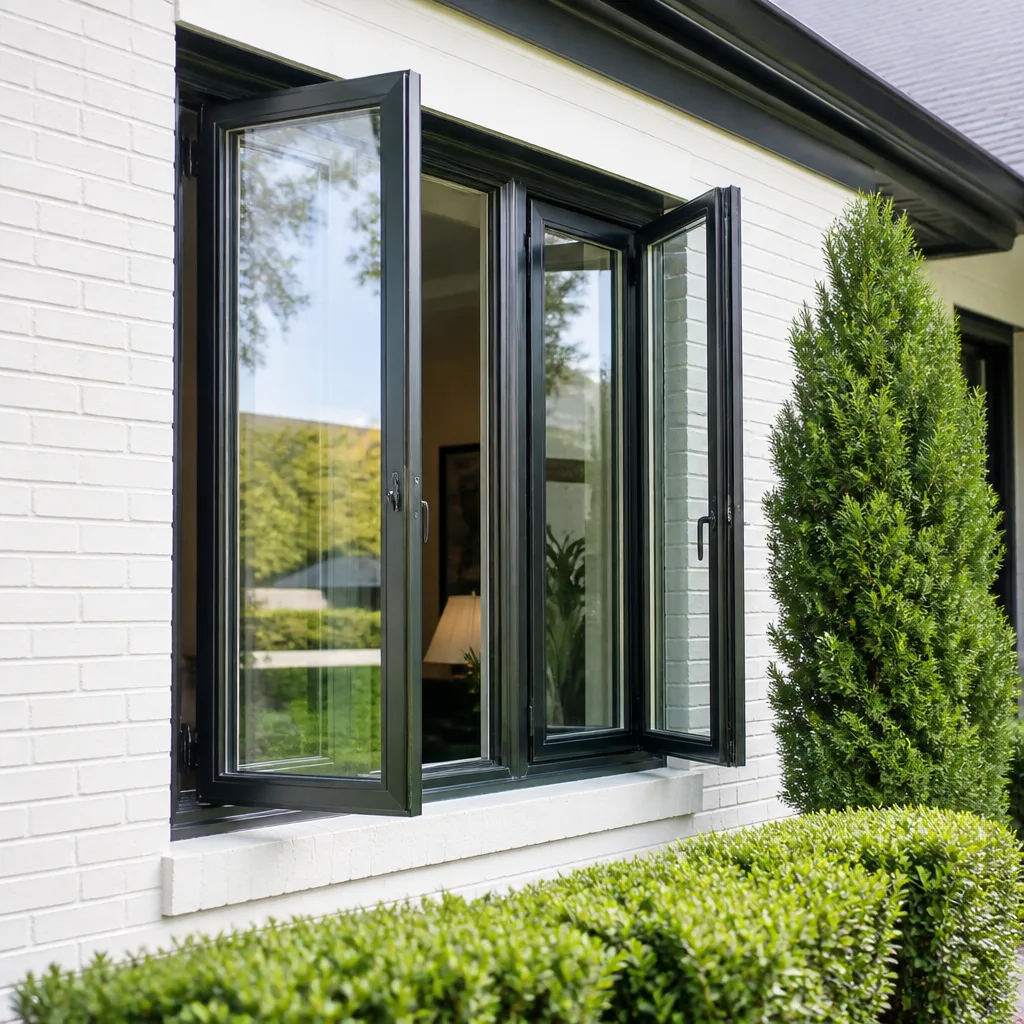
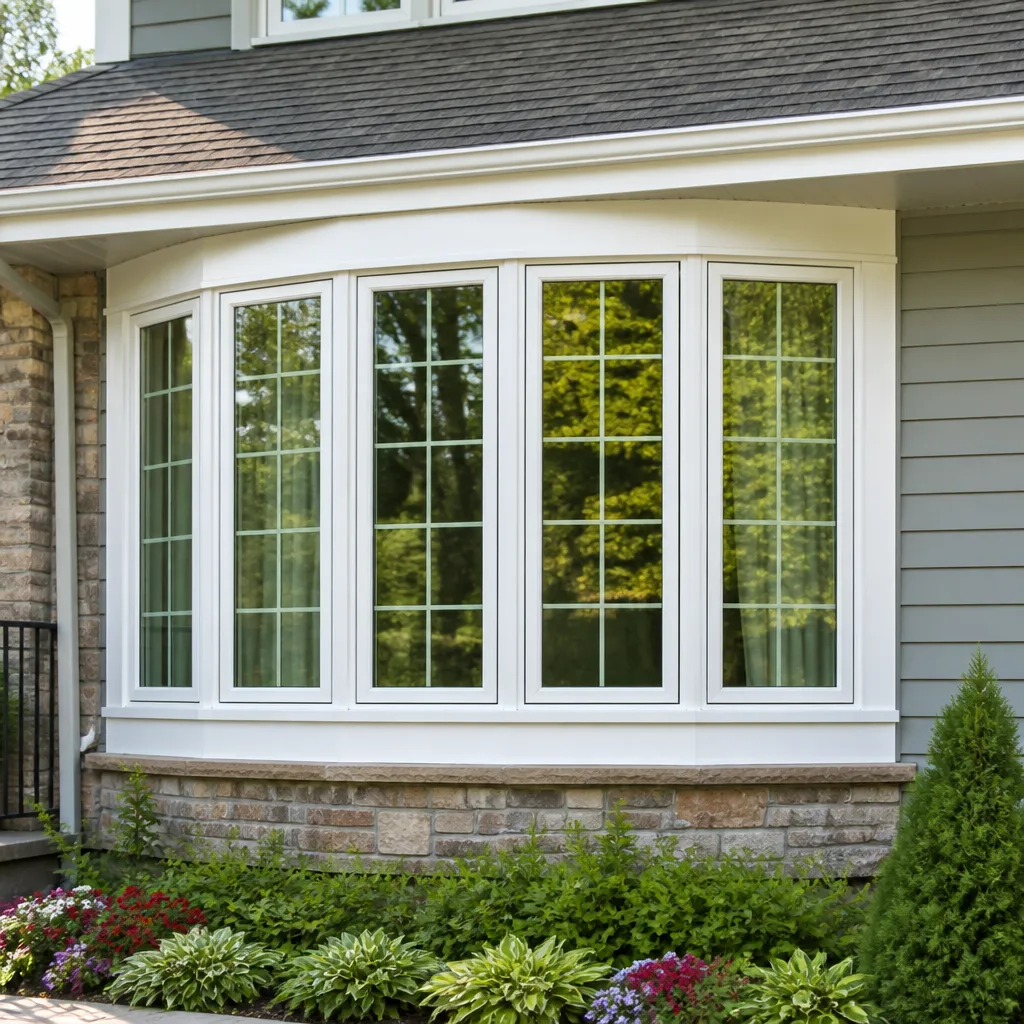
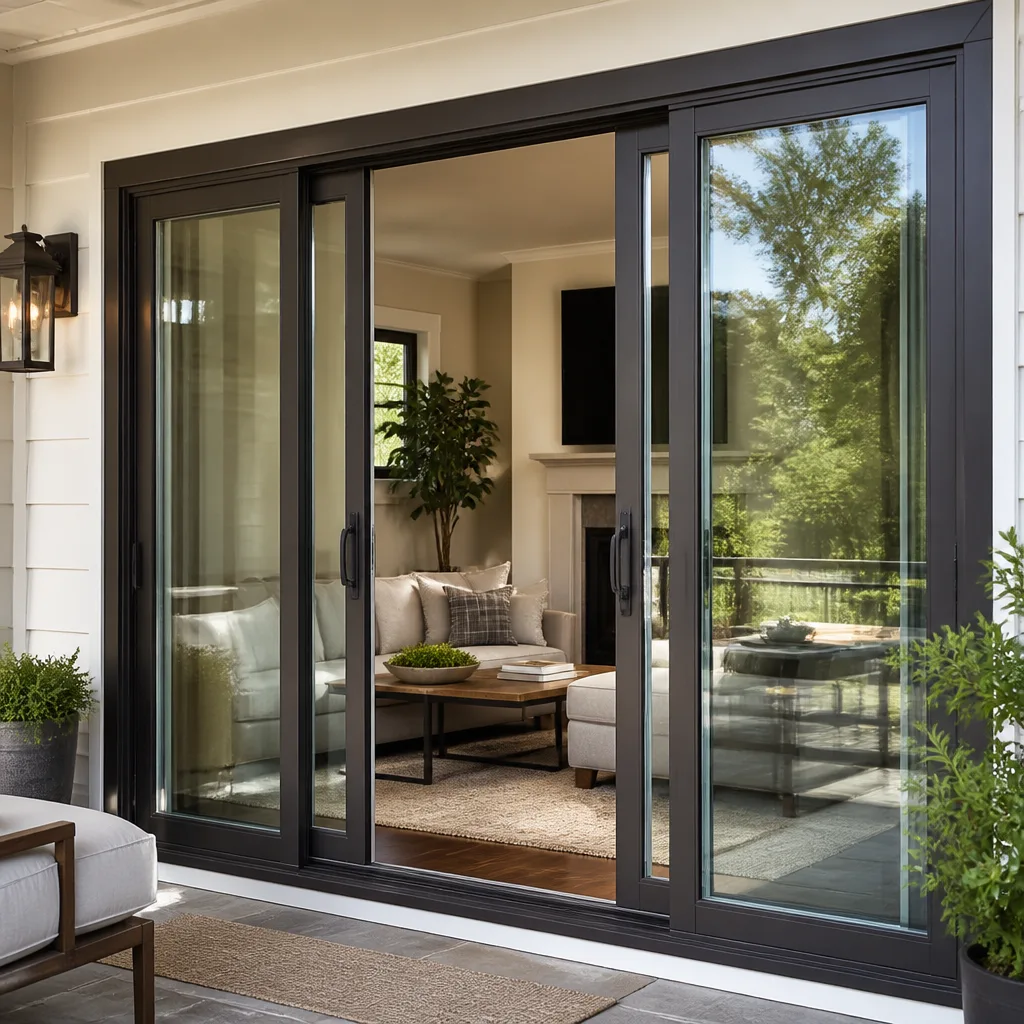

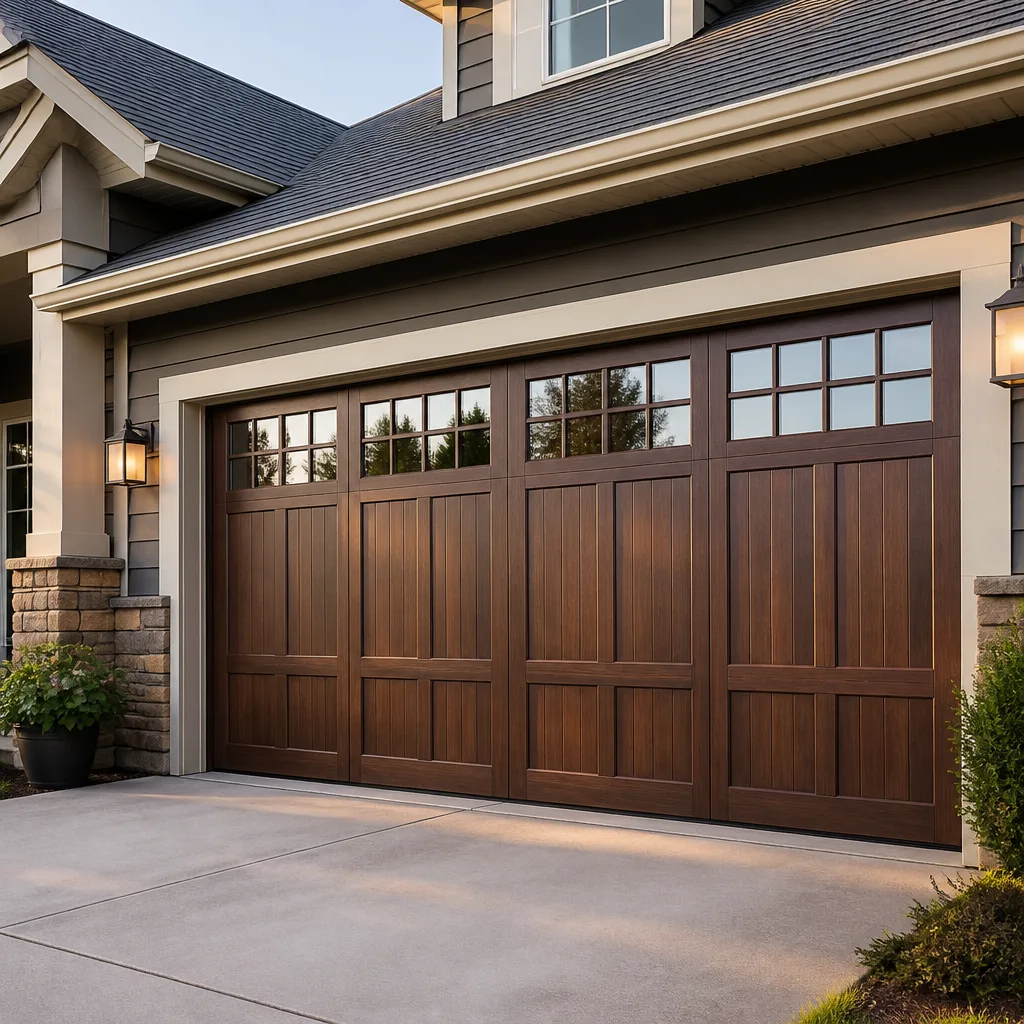
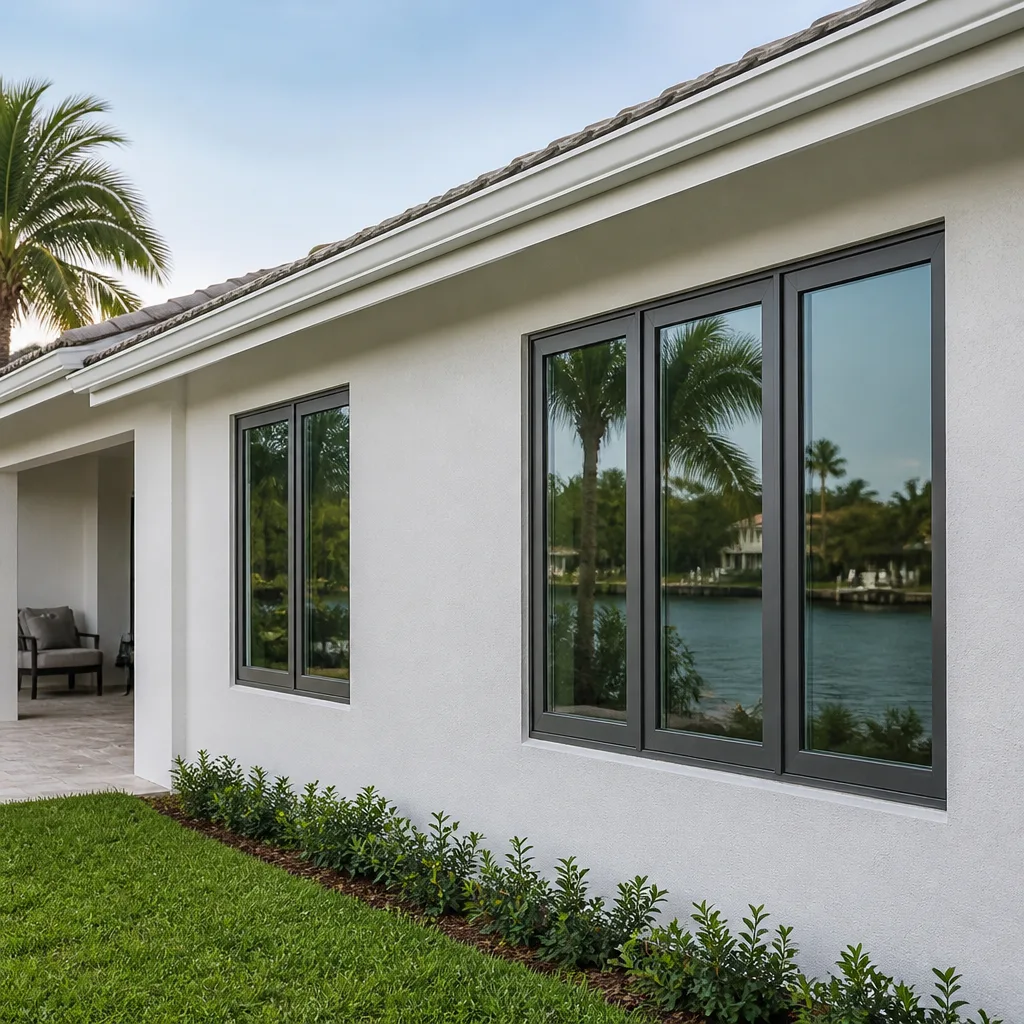
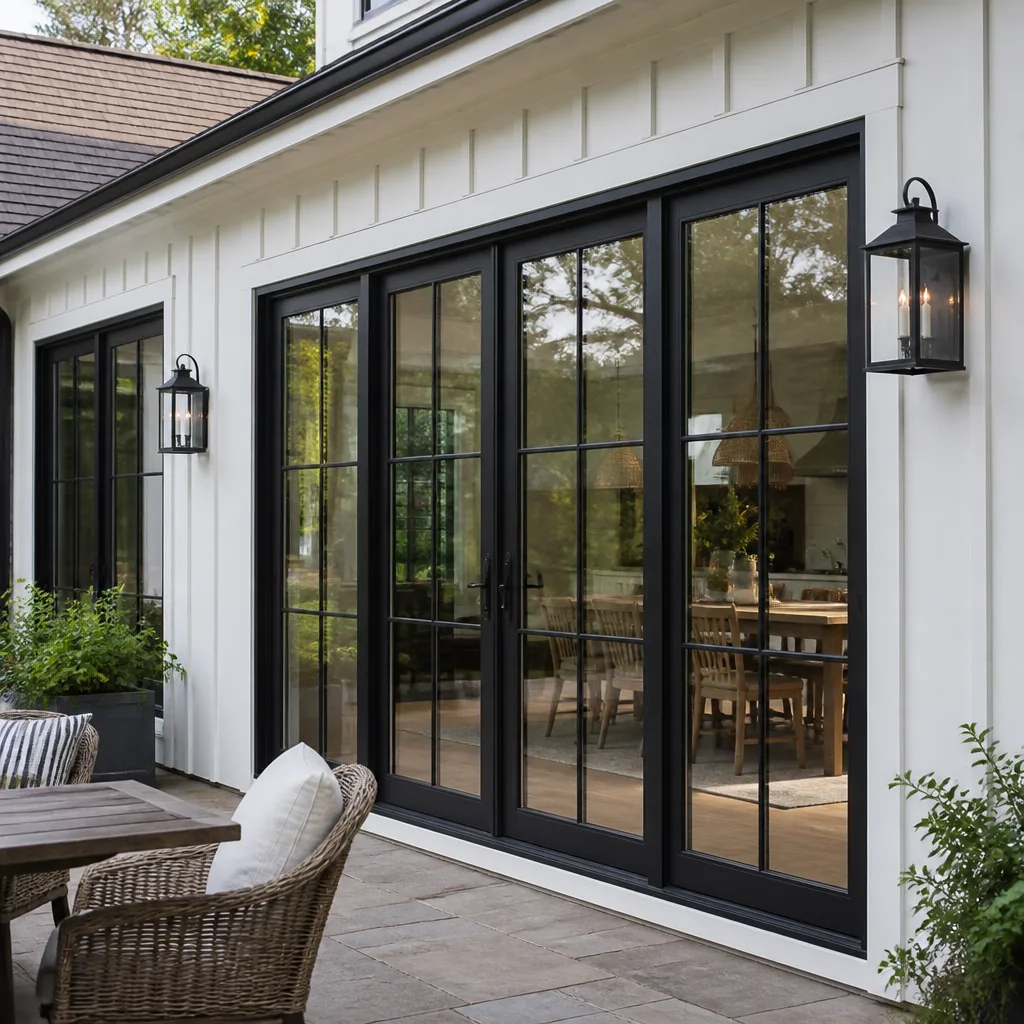
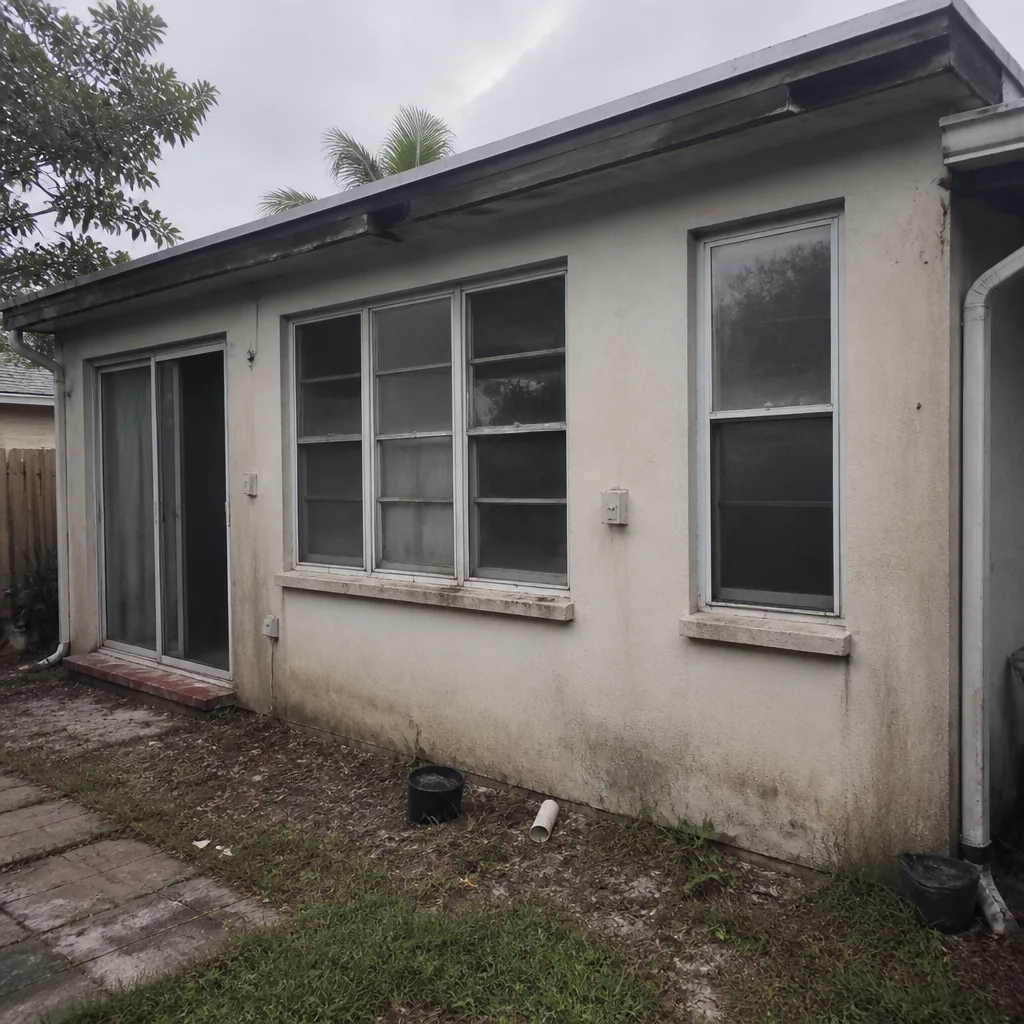 Before
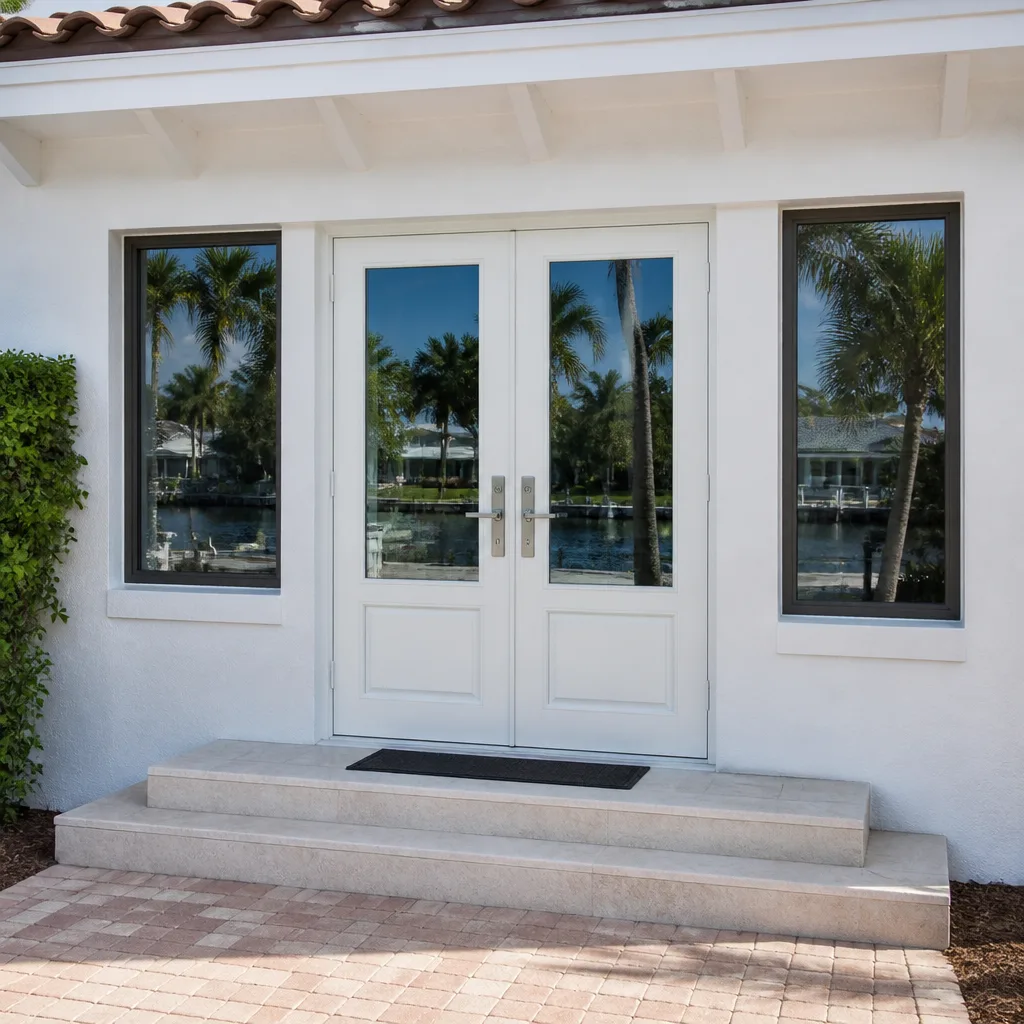 After
After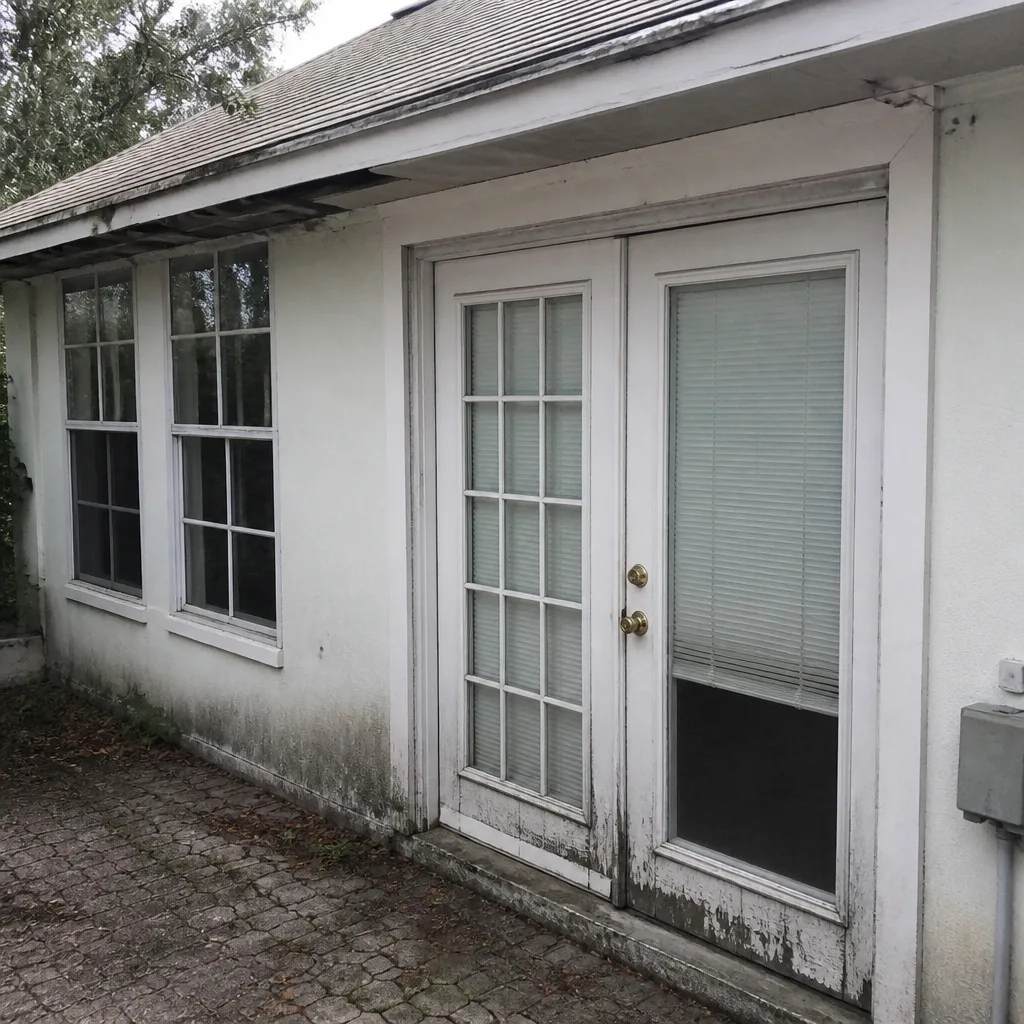 Before
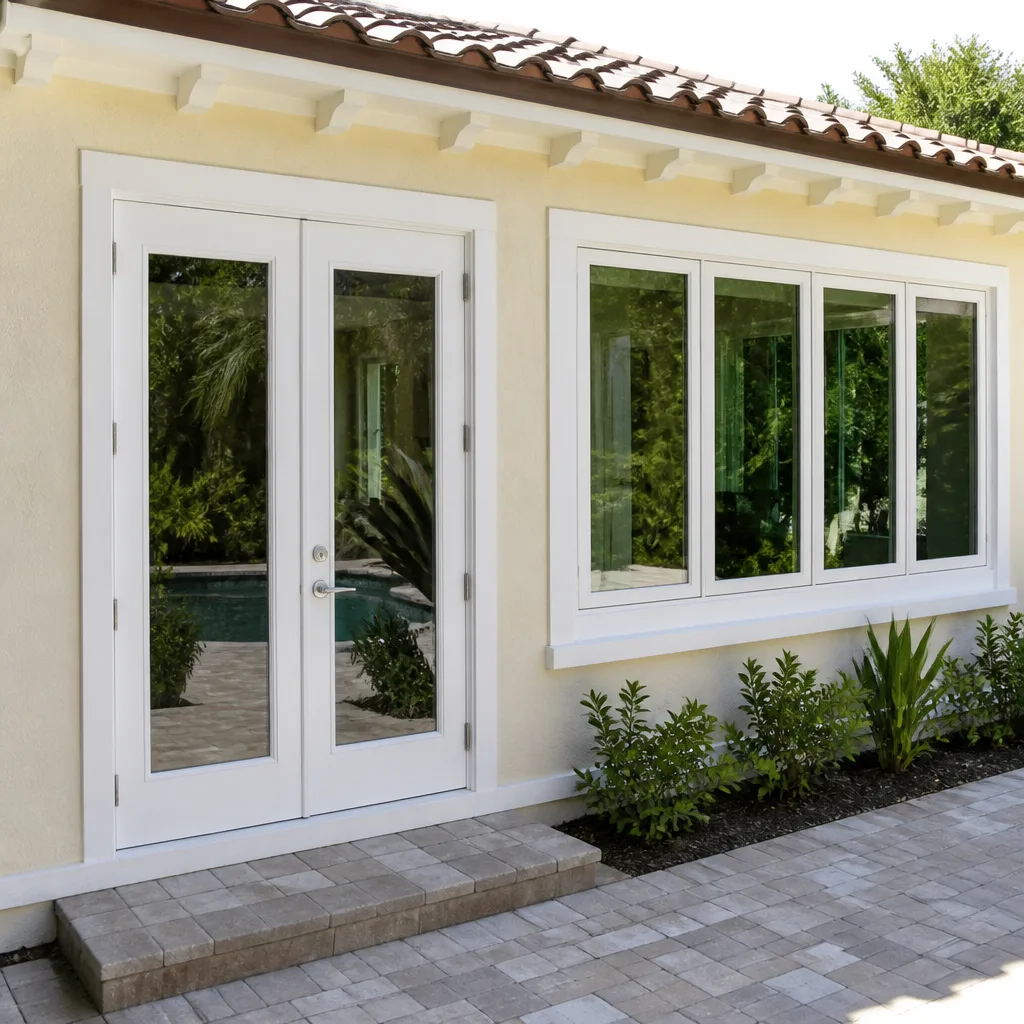 After
After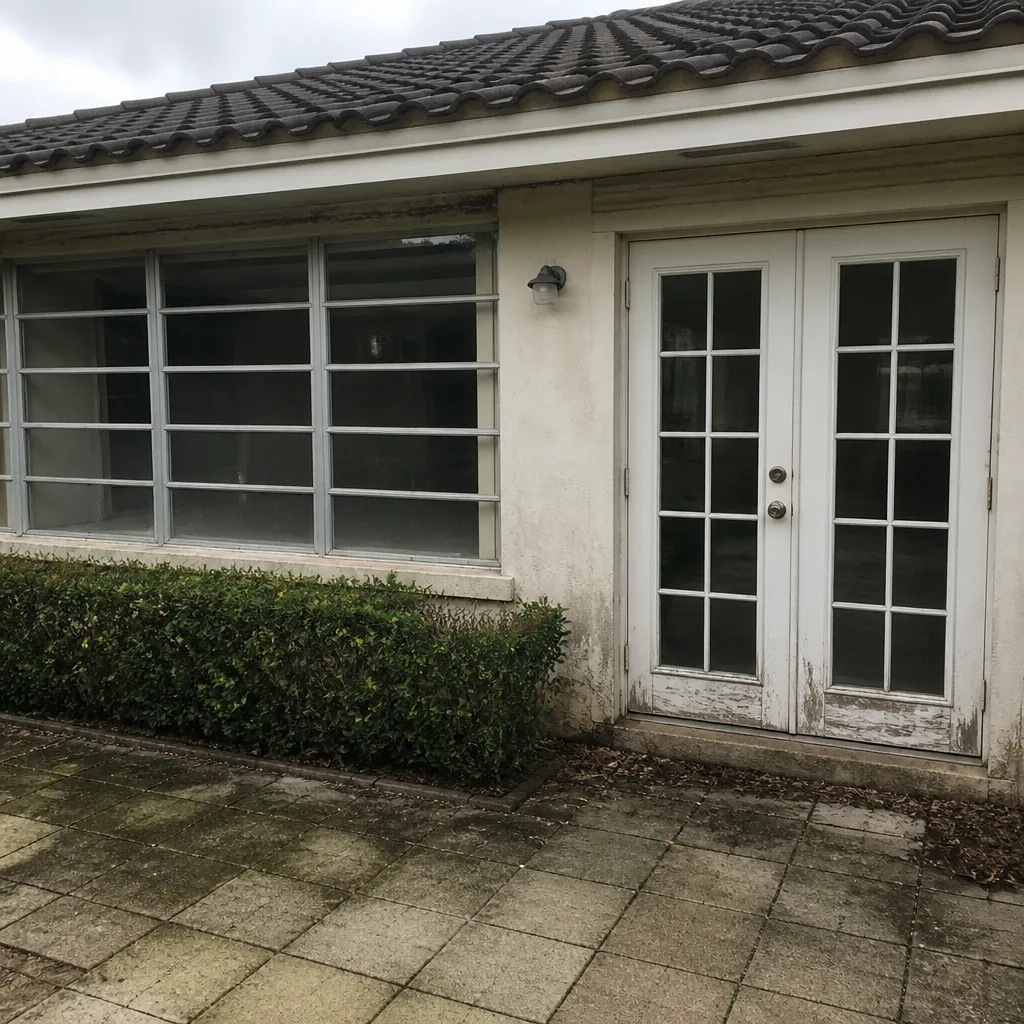 Before
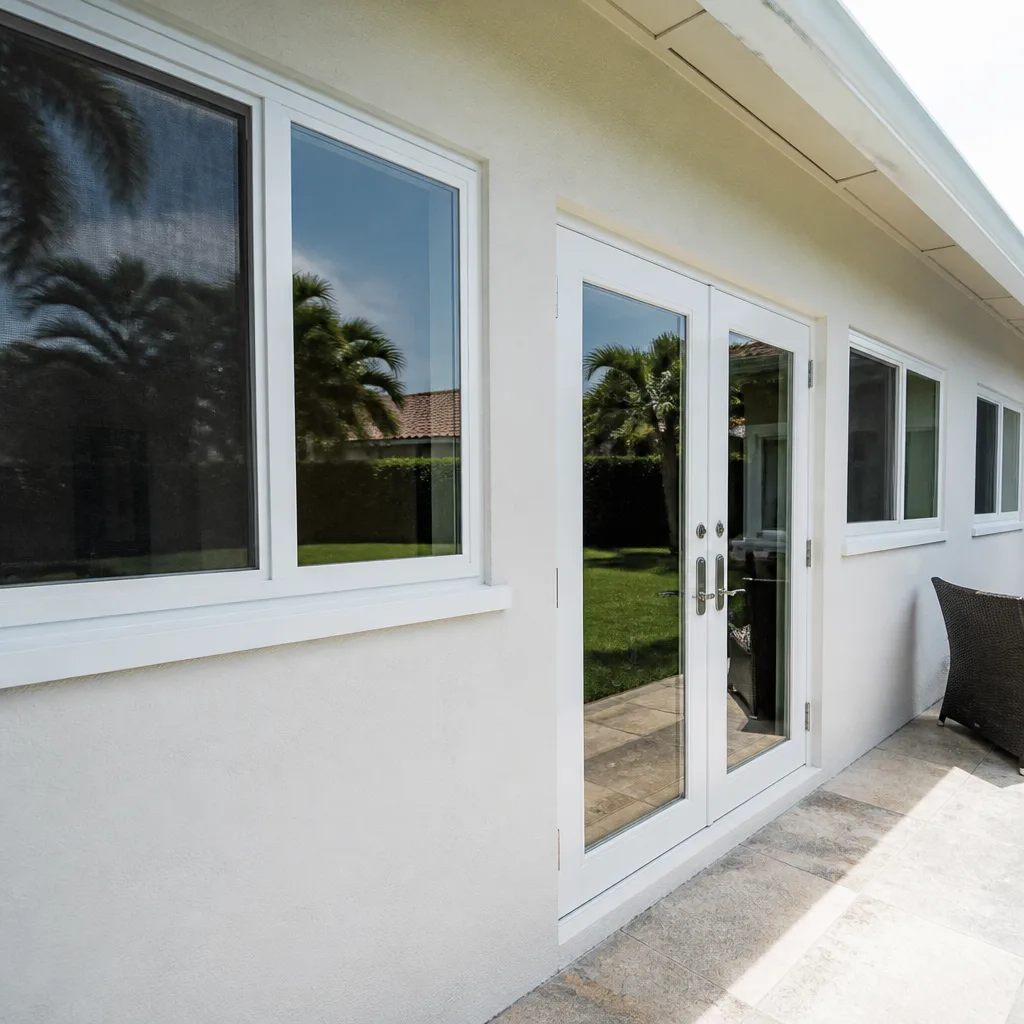 After
AfterSeasonal Windows & Doors Care for Lantana: Year-Round Homeowner’s Guide
Lantana’s average relative humidity exceeds 75% for seven consecutive months, and UV Index readings above 10 - the “Extreme” classification - occur on more than 140 days per year. Both conditions degrade window sealants at roughly double the rate of inland Florida properties. Yet most homeowner guides still divide the year into four neat seasons, copied from northern climates where freeze-thaw cycles drive maintenance timing. That structure fails here. In this guide and our more guides & resources, you’ll learn why Lantana’s actual calendar has two phases - a nine-month salt-load and UV accumulation period, and a three-month hurricane-season recovery window - and what to do in each so your windows and doors last their full service life.
Quick Answer
Seasonal window and door care in Lantana follows a two-phase schedule: inspect, document, and pre-hurricane-proof in April-May; observe and schedule deferred repairs during peak UV and humidity from June-September; perform hardware service and sealant replacement during the drier window of November-January. Skip the northern four-season model - salt accumulation and UV exposure are the dominant wear mechanisms here, not freezing temperatures.
Table of Contents

- Lantana’s Two-Phase Weather Calendar
- Pre-Hurricane Season Inspection and Documentation (April-May)
- Peak UV and Humidity Phase: Observation, Not Repair (June-September)
- Post-Storm Inspection Protocol (June-November)
- Dry-Season Hardware and Sealant Service (November-January)
- The Annual Salt Rinse Procedure
- Product-Specific Care by Frame and Glazing Type
- Common Mistakes to Avoid
- When to Call a Professional
- Frequently Asked Questions
- The Bottom Line
BeforeAfterLantana’s Two-Phase Weather Calendar
The conventional four-season framework - spring cleaning, summer projects, fall prep, winter rest - describes a continental climate. Lantana sits at 26.5°N latitude on a barrier island peninsula with the Atlantic to the east and the Intracoastal Waterway to the west. Our weather doesn’t pivot on solstices and equinoxes. It pivots on June 1, the start of hurricane season, and on the arrival of sustained dry northeasterly flow in late October or November.
Phase One: The Salt-Load and UV Accumulation Period (February-October)
For nine months, salt aerosol from onshore easterlies deposits chloride on exterior frames daily. The concentration is highest within a mile of the water, which includes most of Lantana’s neighborhoods from Hypoluxo Island to the Marina Isle area. Meanwhile, solar radiation at this latitude delivers roughly 5.5 peak sun hours daily in summer, with cumulative UV-B and UV-C exposure that embrittles vinyl weep-hole flaps, chalks painted aluminum, and degrades organic sealants.
During this phase, maintenance is largely defensive: observation, documentation, and protection. Attempting major sealant replacement or hardware adjustment in July or August means working against the material - sealants skin over before tooling, hardware tolerances close up as frames expand, and humidity prevents proper adhesion.
Phase Two: The Recovery and Service Window (November-January)
When relative humidity drops below 60% for sustained periods - typically by mid-November - sealants cure predictably, hardware seats to spec, and technicians can work without the material fighting back. This is when Lantana homeowners should schedule the deferred repairs identified during Phase One.
We’ve measured this directly on jobs across Lantana since 2012. A silicone sealant bead applied in December at 55% humidity and 72°F achieves full cure in 24 hours. The same product applied in August at 85% humidity and 92°F may take 72 hours and never achieves the same Shore A hardness. That difference matters for warranty coverage and longevity.
Pre-Hurricane Season Inspection and Documentation (April-May)
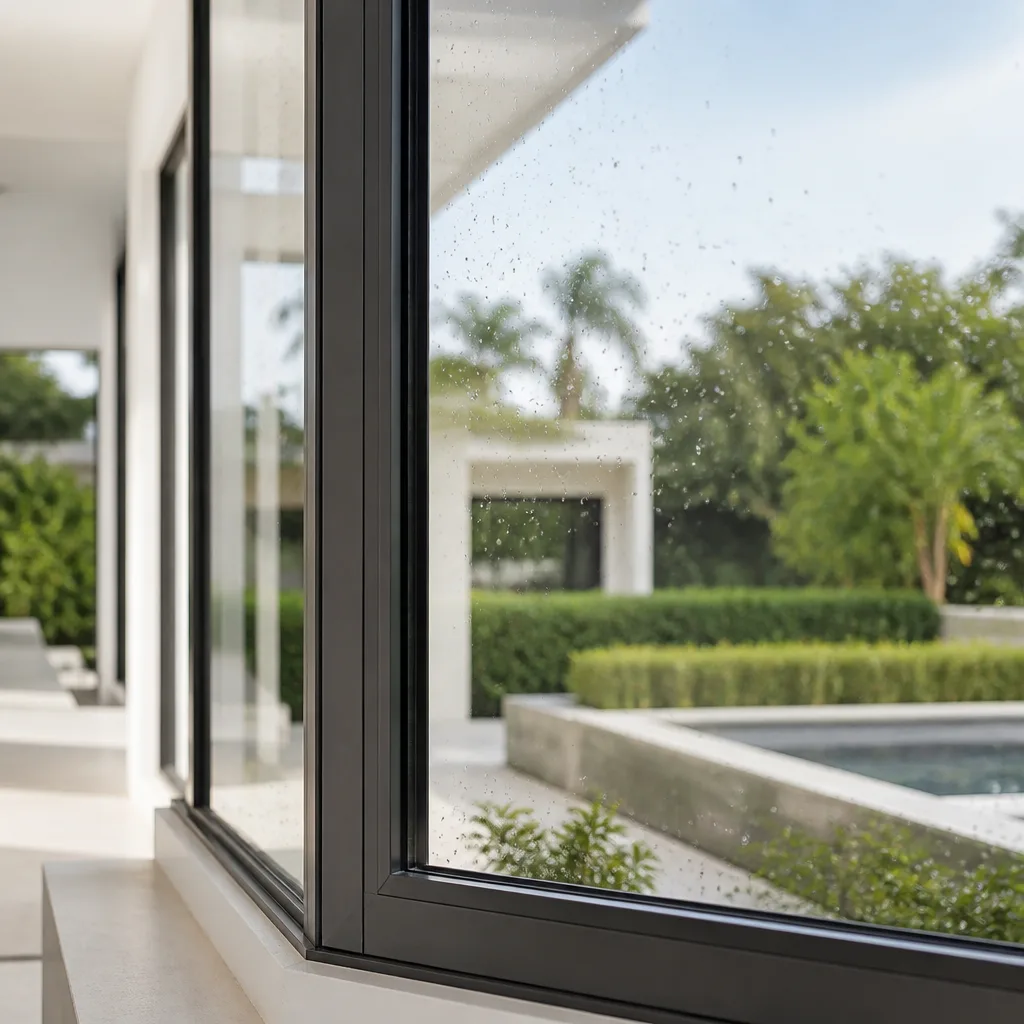
The work you do in April and May - documented with our Window Installation Maintenance Checklist for Lantana Homeowners - determines whether a post-storm warranty claim succeeds or fails. Insurance adjusters and manufacturers both require evidence of pre-existing condition. Without it, frame damage after a tropical event becomes a “maintenance issue,” not a covered loss.
Step 1: Establish the Baseline Photo Record
We document every opening we touch with a dated photo record under Haven Clause 5 (Evidence on Every Job). Homeowners should maintain their own parallel record. For each window and door:
- Photograph the full frame from the exterior, capturing the wall-to-frame interface
- Photograph the interior sill and jamb, noting any existing water staining
- Photograph the glass unit edge-on to document seal condition
- Photograph any existing damage, corrosion, or sealant gaps with a ruler in frame for scale
- Store with date stamp in cloud backup, not solely on a phone
Step 2: Inspect and Test Critical Components
- Impact-rated glazing: Check for edge chips or spider cracks that compromise the laminated interlayer. A 2mm chip at the edge of a PGT or CGI impact unit can propagate under wind load. We’ve replaced units in Lantana’s Ocean Breeze area where a minor edge defect became a full delamination after Tropical Storm Eta’s gusts.
- Frame fasteners: Verify that exposed screws in aluminum frames show no white aluminum oxide bloom, which indicates galvanic corrosion from salt exposure. Replace with 316 stainless if needed.
- Weatherstripping: Compress and release. It should rebound to original thickness. Permanent compression set means air and water infiltration during a pressure event.
- Drainage paths: Clear weep holes with a pipe cleaner, not compressed air, which can drive debris into the frame cavity. Verify water flows out, not into, the sill track.
- Operable hardware: Lock and unlock three times. Resistance or grinding indicates corrosion in the multi-point mechanism. Lubrication in April is temporary; note the location for November service.
Step 3: Address Deficiencies Before June 1
Any item that could fail under wind load or permit water intrusion needs repair before storm season. This includes replacing degraded weatherstripping, re-securing loose frames, and addressing sealant gaps at the frame-to-wall interface. The key distinction: these are structural or sealing repairs, not cosmetic sealant replacement. Fresh sealant applied in May won’t cure fully before June humidity arrives, but a gap left open is worse. We use fast-skinning polyurethane for pre-season touch-ups, saving full silicone replacement for the dry window.
For homeowners considering new window installation in Lantana, April-May is also the practical deadline for ordering impact-rated products. Lead times on PGT and CGI impact lines typically run 8-12 weeks in spring as demand spikes. A measured survey completed in April means installation before peak season under Haven Clause 1: the written price from that survey is the final price, with no change orders.
Peak UV and Humidity Phase: Observation, Not Repair (June-September)
This is the phase where well-meaning homeowners do the most damage. The instinct is correct - you see sealant cracking, frame chalking, hardware sticking - but the timing is wrong. June through September in Lantana is for observation and scheduling, not for most repair work.
Why Sealant Replacement Fails in Summer
We’ve removed and replaced sealant on hundreds of Lantana openings. Summer failures follow a pattern:
- Substrate temperature exceeds 100°F on south and west exposures, causing solvent-based primers to flash-dry before wetting the surface
- Ambient humidity above 80% prevents proper cure of one-part silicones, leaving a tacky surface that collects dirt and fails adhesion
- Rapid thermal cycling - afternoon thunderstorms dropping frame temperatures 30°F in minutes - creates movement during cure, shearing the bond
The result: a bead that looks acceptable in September but peels away by February. We’ve re-done competitor work in the Hypoluxo Island area where summer sealant application failed within eight months.
What to Do Instead: The Summer Observation Log
Keep a simple written log, dated, for each opening:
- Note which frames show chalking (white powder on aluminum) or color shift (vinyl fading)
- Mark locations where sealant is cracking, separating, or shrinking - but do not remove it
- Record hardware that binds, locks that require excess force, or rollers that drag
- Photograph any new water staining on interior sills or drywall
- Track which openings take longest to dry after rain - indicates weep blockage or flashing compromise
This log becomes your November work order. The specific locations, documented with dates, let a technician work efficiently in the dry season. Without it, you’re paying for diagnostic time in the optimal repair window.
Exception: Emergency Repairs Only
Two conditions justify summer work: active water intrusion damaging interior finishes, or operable hardware that won’t secure the opening. Even then, we use temporary measures - polyurethane flashings, corrosion-release lubricants - with full repair scheduled for November.
Post-Storm Inspection Protocol (June-November)

After any tropical storm or hurricane passage, inspect before you clean. The sequence matters for documentation and for distinguishing storm damage from pre-existing conditions.
The Five-Step Sequence
- Exterior walk-around, no touch: Photograph from a distance first. Note debris impacts, visible frame displacement, and glass damage before you disturb anything. This establishes the storm’s effect without confounding it with your own actions.
- Frame-to-wall interface: Check for separation between the window frame and the wall cladding. A gap that wasn’t in your April photos indicates structural movement or fastener failure. Measure and photograph. This is typically an insurance claim, not a maintenance repair.
- Glass unit inspection: Look for new cracks, chips, or seal failures indicated by interior fogging. Distinguish impact damage (radiating pattern from a point) from stress cracks (linear, often from edge). Impact-rated laminated glass may show a spider pattern without breaching; document whether the interlayer is intact.
- Operable function test: Open and close each operable unit. Binding that wasn’t present before suggests frame racking or hardware displacement. Don’t force it - note and photograph.
- Interior water tracing: Follow any staining to its highest point. Water at the sill may be weep drainage working correctly; water at the head or jamb indicates a breach. Photograph the trail before it dries.
Frame-to-Wall Flashing Separation vs. Glass Seal Failure
These two conditions produce similar interior symptoms - water, staining, draft - but have different causes and remedies.
Flashing separation occurs when the window or door frame pulls away from the rough opening, breaking the weather barrier. It’s usually a structural or installation issue. In Lantana, we see this after wind events on older installations where the fastening schedule didn’t meet Windows & Doors Permits, Codes & Inspections in FL: What You Need to Know requirements. Repair requires removal of trim, assessment of the rough opening, and re-securing to current standards. This is professional work.
Glass seal failure, or insulating glass unit (IGU) seal failure, shows as interior fogging or condensation between panes. It’s a manufacturing or age-related defect, not storm damage, though storm pressure can accelerate an existing failure. Replacement requires ordering a new IGU or sash. For units under warranty, the manufacturer’s documentation requirements are strict - another reason your April photo record matters.
We’ve performed post-storm assessments across Lantana, from the older single-story homes near K Street to newer construction in Marina Isle. The pattern is consistent: homes with documented pre-season condition and clear maintenance records move through insurance and warranty processes faster. Those without documentation face disputes that extend repair timelines into the next storm season.
Dry-Season Hardware and Sealant Service (November-January)
When humidity drops and temperatures stabilize, the materials work with you instead of against you. This is the window for the repairs deferred from summer observation.
Hardware Service Sequence
We service hardware in a specific order, developed across 18,000+ openings since 2012:
- Clean first: Remove salt residue and old lubricant with a solvent-dampened cloth. Fresh lubricant on dirty hardware forms an abrasive paste.
- Inspect for corrosion: Pitting on stainless steel or white bloom on aluminum indicates salt damage beyond surface cleaning. Replace affected components - lubrication won’t restore lost material.
- Lubricate moving parts: We use a dry PTFE-based lubricant on multi-point locks and a light silicone on rollers and hinges. Avoid petroleum-based products that attract dust and gum up in humidity.
- Adjust closing pressure: Multi-point locks need even pressure top to bottom. Adjust cams so the handle operates with consistent resistance - not loose, not forced.
- Test under load: Close and lock against a moderate wind. The mechanism should seat without rattling or flex.
The November-January timing matters for adjustment stability. Hardware set in high humidity may shift when dry-season contraction changes frame dimensions. We’ve returned to adjust locks in Lantana homes where summer adjustment loosened by January. Setting hardware in the dry phase, then checking after the first humid period, gives a stable result.
Sealant Replacement Protocol
Full sealant replacement requires:
- Substrate temperature between 50°F and 90°F - easily achieved in Lantana’s winter
- Relative humidity below 70% for 24 hours post-application
- No precipitation forecast for 48 hours
- Clean, dry substrates - no dew, no salt residue
We remove old sealant with a hook blade, clean with isopropyl alcohol, prime per manufacturer spec, and tool the new bead with a concave profile that sheds water. The backer rod depth controls bead geometry; too shallow and the sealant tears in movement, too deep and it lacks structural support.
For homeowners with window replacement or door installation in Lantana planned, November-January scheduling also means installation during optimal conditions. New frame sealants cure correctly, and the measured survey - which the customer keeps under Haven Clause 1 - reflects actual opening conditions, not summer-expanded dimensions.
The Annual Salt Rinse Procedure
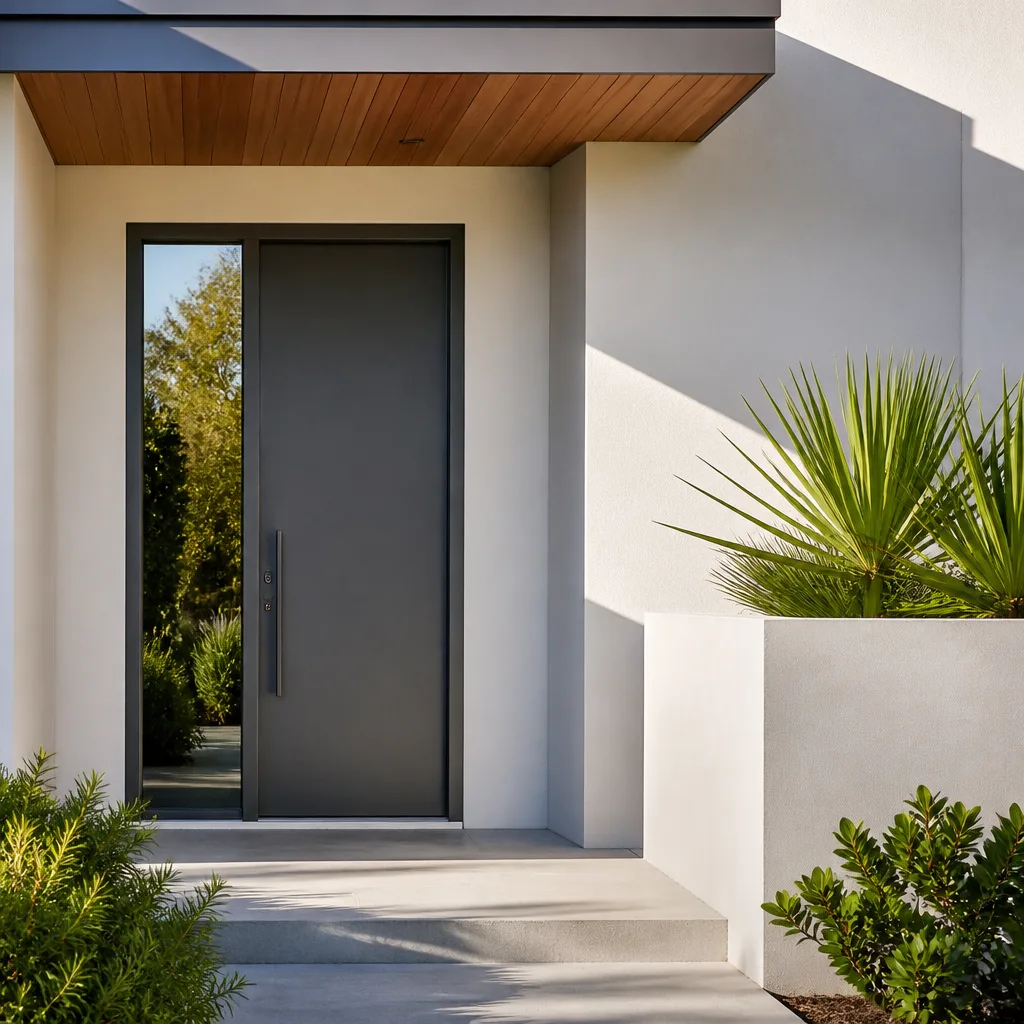
Salt accumulation is the silent damage mechanism in Lantana. Chloride ions hygroscopic - they attract moisture, keeping frames wet longer after rain, and they initiate pitting corrosion on aluminum and galvanic corrosion between dissimilar metals. An annual rinse removes this load.
Equipment and Setup
- Garden hose with adjustable nozzle, set to flat or fan spray - never jet or pinpoint
- Water pressure: 40-60 PSI, household supply pressure. Higher pressure drives water into weep channels and behind trim.
- Soft brush for stubborn deposits
- Clean microfiber for drying
The Correct Sequence
- Start at the top of the building and work down - gravity is your helper
- Rinse from the frame outward, never toward the glass edge or weep holes
- Keep the spray at a shallow angle to the frame surface, not perpendicular
- Pay attention to the sill and sill nose, where salt concentrates from runoff
- Brush gently where white deposits persist, then re-rinse
- Dry with microfiber to prevent water spotting
What Never to Do
Pressure washers - even “low pressure” electric units - exceed 1,000 PSI at the nozzle. This forces salt-laden water into weep channels, behind exterior trim, and through any marginal seal. We’ve found water inside frame cavities after homeowner pressure washing, with corrosion damage that required sash replacement. The correct tool is a garden hose, not a pressure washer.
Similarly, avoid rinsing when frames are hot from sun exposure. Thermal shock from cold water can stress glass edges, and rapid evaporation leaves salt deposits more concentrated than before. Early morning, before direct sun hits east-facing openings, is optimal.
For homes on Hypoluxo Island or other direct waterfront locations, twice-yearly rinsing - May and November - is prudent. The salt load there is measurably higher, and we’ve documented faster corrosion rates on hardware in those exposures.
Product-Specific Care by Frame and Glazing Type
Different products in Sightline’s eight manufacturer lines - PGT, CGI, CWS, ES Windows, ECO Window Systems, Mr-Glass, Therma-Tru, and ViewLux - have specific care requirements and varying costs detailed in our Windows & Doors Cost Breakdown: The Lantana Homeowner’s Reference for 2026. We specify by performance tier and opening requirements, not by margin, and the care protocol follows the product.
Vinyl Frames (ECO Window Systems, select PGT lines)
Vinyl doesn’t corrode, but it does degrade from UV. The indicator is color shift - white becoming ivory, tan becoming uneven - and surface chalking that transfers to cloth. In Lantana’s UV environment, quality vinyl with co-extruded cap stock lasts 20+ years, but cheaper products show degradation in 8-10.
Care: Annual wash with mild detergent, no abrasives. Inspect weep-hole flaps for embrittlement - they should flex and return. Replace if cracked; a missing flap lets insects and water into the sill track. Never paint vinyl - the paint film cracks and traps moisture against the substrate.
Aluminum Frames (PGT, CGI, CWS, ES Windows, ViewLux)
Anodized or painted aluminum resists salt well if the finish is intact. The failure mode is finish breach - scratches, chips, or wear at contact points - followed by pitting corrosion that spreads under the finish.
Care: Annual salt rinse is essential. Touch up finish breaches with manufacturer-matched paint immediately - bare aluminum in salt air corrodes visibly within weeks. Check isolators between frame and hardware; galvanic corrosion occurs where aluminum contacts stainless or zinc-coated steel without isolation.
Impact-Rated Glazing (PGT, CGI, Mr-Glass)
Laminated impact glass has an interlayer - typically polyvinyl butyral (PVB) or ionoplast - that can delaminate from edge exposure to moisture and heat. The indicator is a milky edge that progresses inward.
Care: Inspect edges annually in April. Any chip or crack at the edge warrants professional assessment - the interlayer is compromised. Clean with ammonia-free products; ammonia degrades some interlayer formulations over time. We’ve replaced impact units in Lantana where edge damage from lawn maintenance equipment led to full delamination after two storm seasons.
Fiberglass and Steel Entry Doors (Therma-Tru)
Therma-Tru’s fiberglass resists Lantana’s humidity and UV better than steel or wood, but the finish still requires maintenance. The failure mode is gel coat chalking followed by fiber exposure.
Care: Wash annually, reapply UV-stable topcoat every 3-5 years depending on exposure. Check the sill pan and threshold - water pooling here leads to subfloor damage that has nothing to do with door quality. Adjust sweep height seasonally; summer humidity swells the door slab slightly, and a too-tight sweep wears prematurely.
Common Mistakes to Avoid
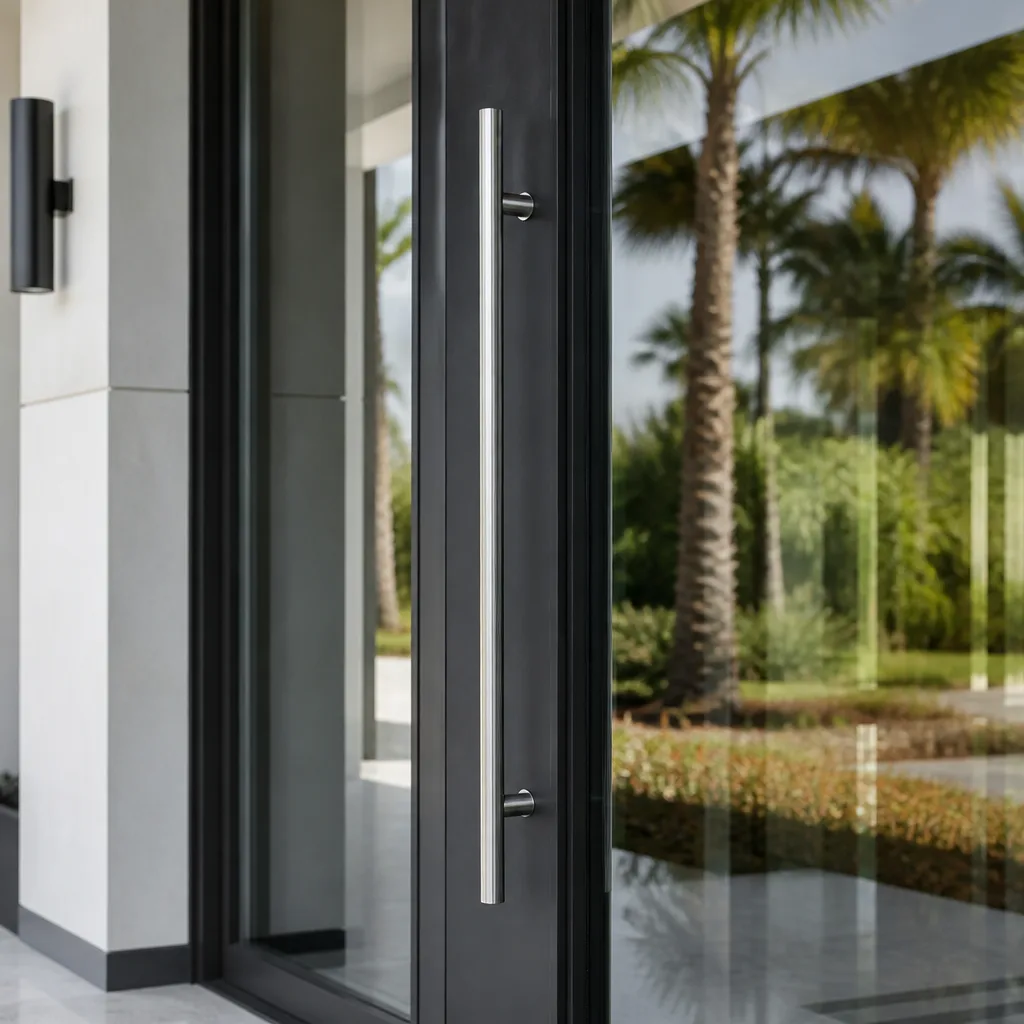
- Applying sealant in summer: Fresh silicone applied in Lantana’s June-September humidity rarely achieves full cure. The surface skins, trapping solvent underneath, and the bead fails within a year. Observe in summer, repair in winter.
- Pressure washing frames: The 1,000+ PSI from even small electric units forces salt and water into weep channels, behind trim, and through marginal seals. Use a garden hose at household pressure, always angled away from openings.
- Ignoring the April documentation window: Without dated pre-season photos, storm damage becomes a maintenance dispute. We’ve seen legitimate warranty claims denied for lack of baseline documentation. The 30 minutes in April saves months of argument later.
- Lubricating dirty hardware: Fresh lubricant on salt-corroded mechanisms forms grinding compound. Clean with solvent first, inspect for pitting, then lubricate. Replace pitted components - no lubricant restores lost metal.
- Treating all fogging as seal failure: Interior condensation on the room side of glass is a humidity issue, not a window defect. Fogging between panes is IGU seal failure. The remedy differs; misdiagnosis leads to unnecessary replacement.
- Scheduling replacement work in peak summer: Frame dimensions at 92°F and 85% humidity don’t represent annual averages. A door that fits perfectly in August may bind in January when the frame contracts. Measure and install in stable conditions.
- Neglecting the salt rinse: Chloride accumulation isn’t visible until corrosion starts. By then, the damage is done. Annual rinsing - twice near the water - is preventive, not cosmetic.
When to Call a Professional
Some conditions exceed homeowner maintenance and indicate structural or installation issues. Call for assessment if you find frame-to-wall separation after a storm, if impact glass shows edge delamination, if hardware corrosion has progressed to pitting, or if water intrusion continues after clearing weep holes and verifying drainage paths.
Sightline Windows & Doors Lantana offers free estimates in Lantana - call (561) 461-2062. Every assessment includes a measured survey you keep, a written price before any work starts under Haven Clause 1, and a documented photo record of conditions. Our technicians are background-checked, uniformed, and identified by license number before arrival, per Haven Clause 3. If we find storm damage that should involve your insurer, we note it in writing with the photo evidence your policy requires.
Frequently Asked Questions
Once annually for most Lantana homes, twice yearly for waterfront properties on Hypoluxo Island or within one block of the Intracoastal. Use a garden hose at 40-60 PSI, never a pressure washer, rinsing from the frame outward at a shallow angle. Call (561) 461-2062 if you need guidance on your specific exposure - estimates are free.
Aluminum and vinyl frames expand in heat and humidity, tightening tolerances in the locking mechanism. Summer binding that resolves in winter indicates the hardware needs adjustment during the dry season, not replacement. Schedule hardware service in November-January when the frame is at its contracted dimension.
You can, but the timing and preparation matter more than in inland climates. Substrate temperature must be below 90°F, humidity below 70%, and all salt residue removed with isopropyl alcohol. Most homeowners get better results scheduling professional replacement during the November-January window, when conditions are predictable and the work is warrantable.
Fogging that wipes off the interior room-facing surface is household humidity; fogging trapped between panes that you cannot touch is insulating glass unit (IGU) seal failure. The latter requires sash or IGU replacement. Bring us a photo - we offer free second opinions on any written estimate, including assessments from other contractors.
Photograph each opening’s exterior frame, interior sill, glass edge, and any existing damage with a date stamp and scale reference. Store in cloud backup. This baseline record determines whether post-storm damage is covered by insurance or warranty. Sightline includes this documentation on every job as standard under Haven Clause 5; homeowners should maintain their own parallel record.
November through January offers optimal conditions: stable humidity for sealant cure, moderate temperatures for accurate measurement, and installation before spring demand extends lead times. For impact-rated products from PGT or CGI, order by April to ensure delivery before peak storm season. Call (561) 461-2062 to schedule a measured survey - the written price you receive is the price you pay, with no change orders.
The Bottom Line
Lantana’s coastal climate demands a maintenance calendar built around salt accumulation and UV exposure, not four seasons that don’t exist here. Inspect and document in April-May, observe and log through summer’s humidity, and execute repairs during November-January’s dry stability. The annual salt rinse, correct sealant timing, and hardware service sequence we’ve described come from 18,000+ openings and twelve years of measured results under the Haven Standard. Skip the northern template. Work with the climate you have, and your windows and doors will last their full designed life.
Written by Sonia Raman, Owner at Sightline Windows & Doors Lantana, serving Lantana since 2012.