
Last updated September 24, 2026
Free in-home measure and quote - PGT, CGI and CWS impact lines compared on your actual openings, style by style
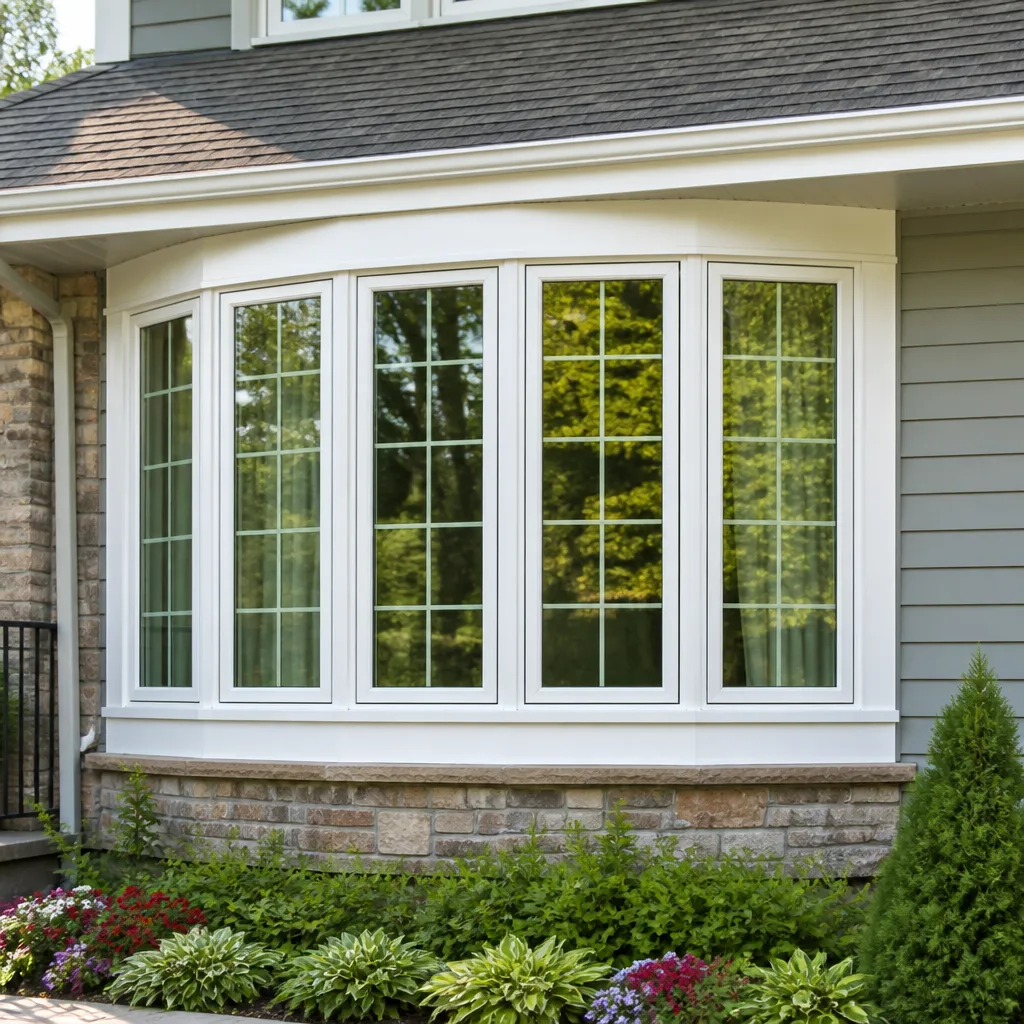
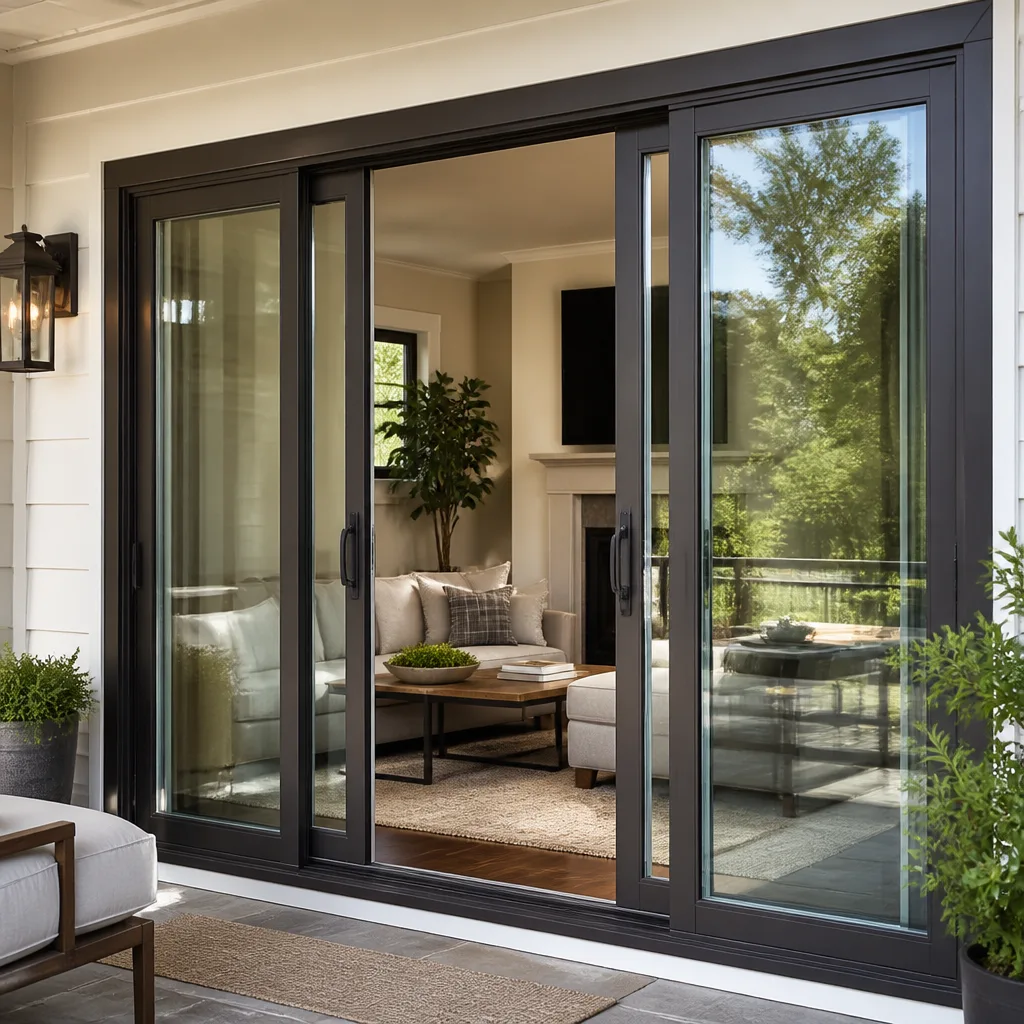
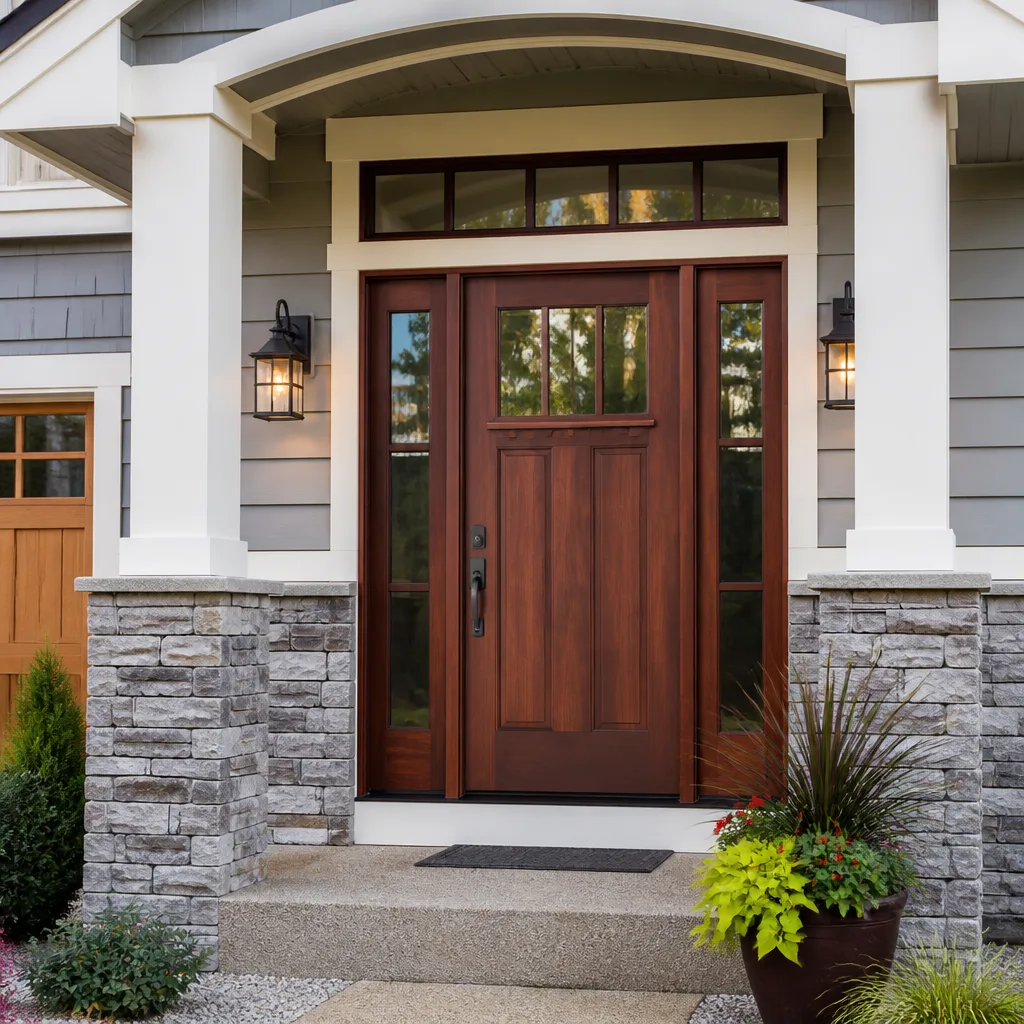
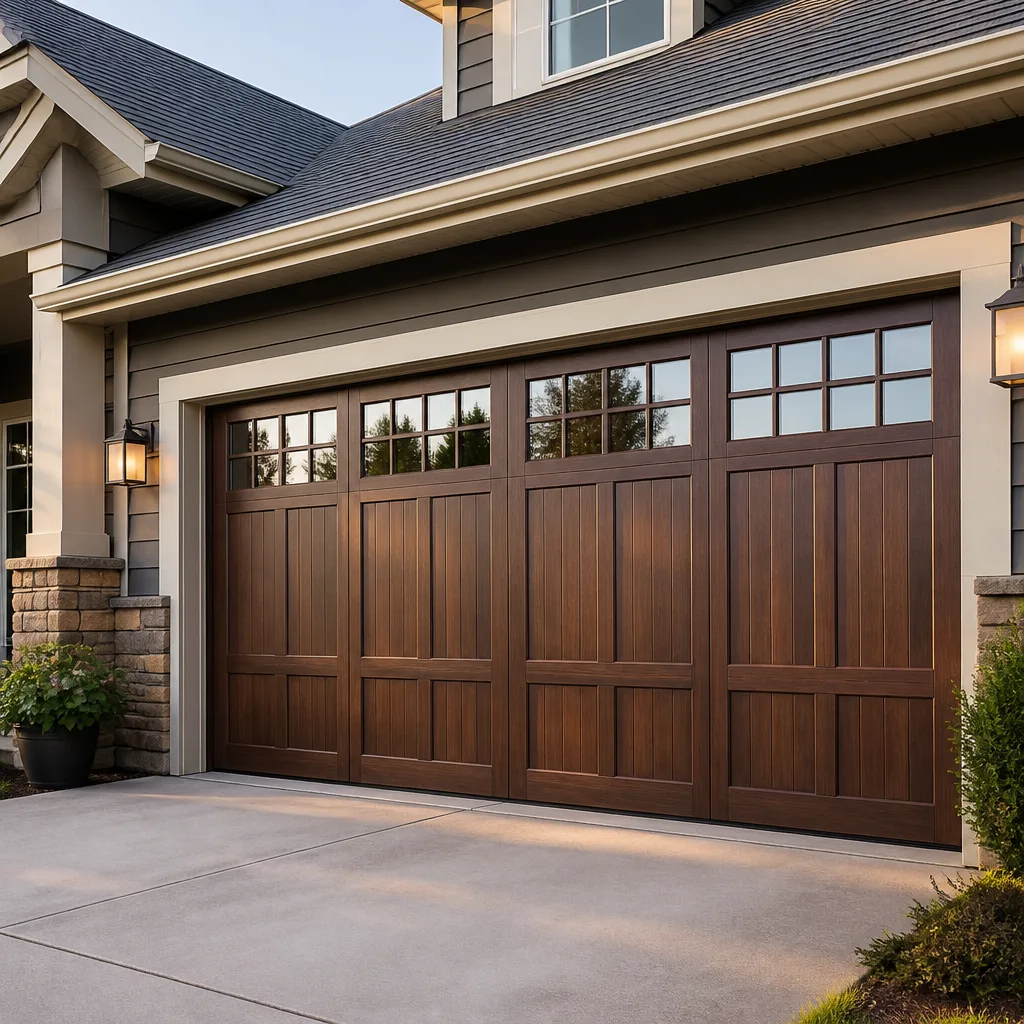
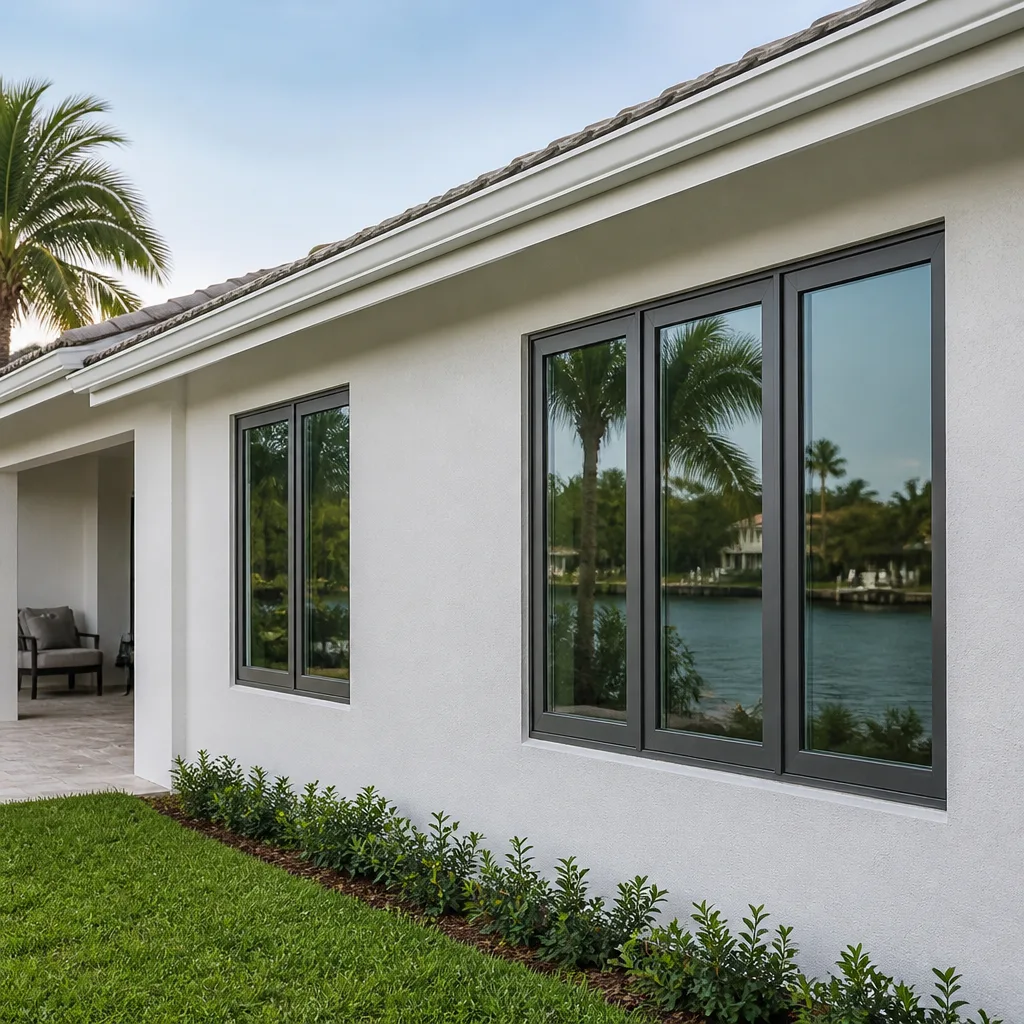
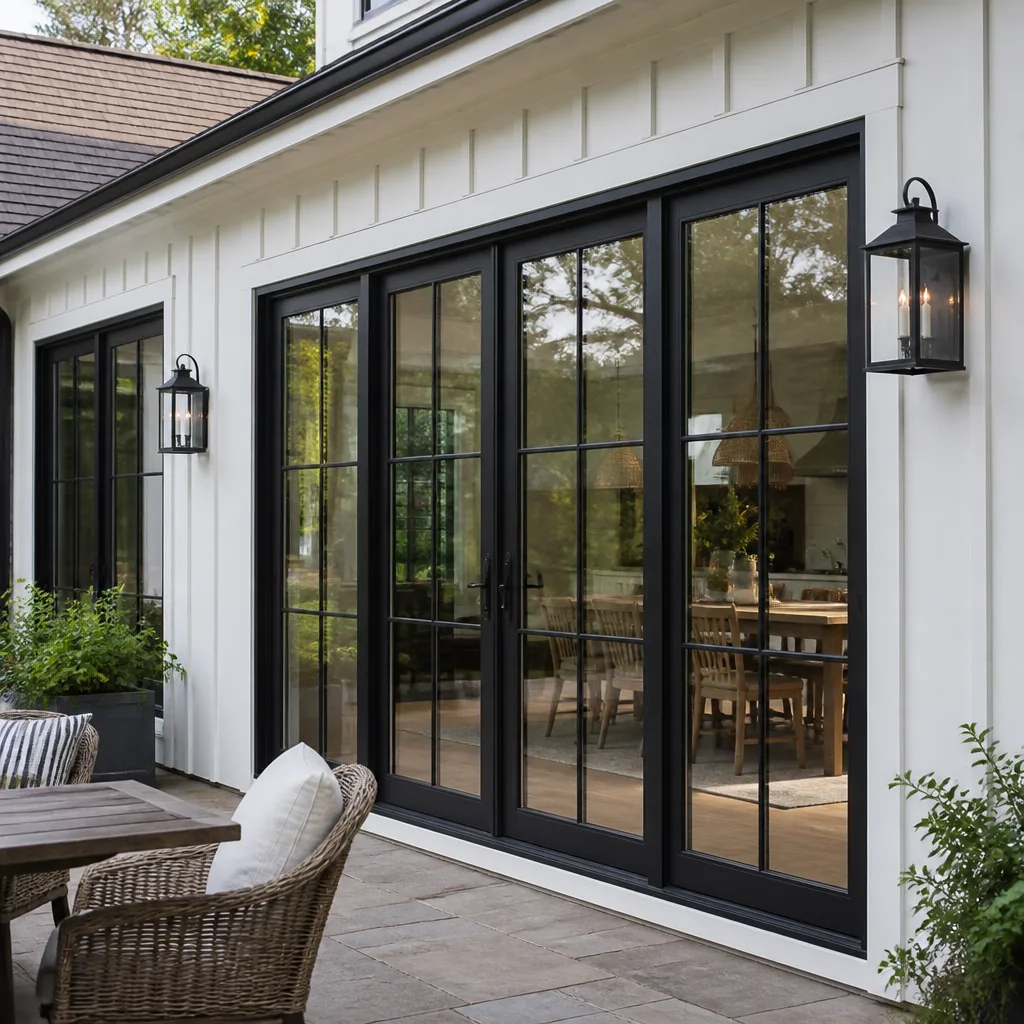
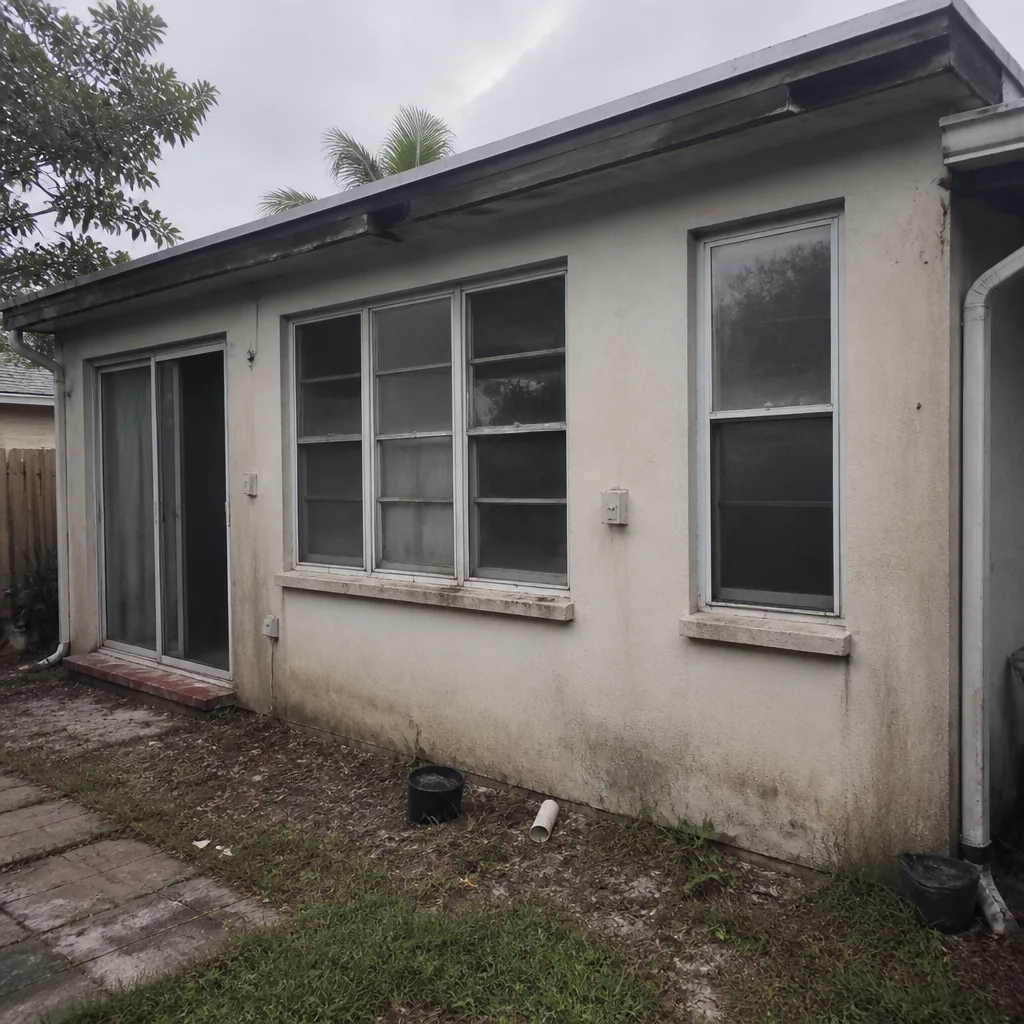 Before
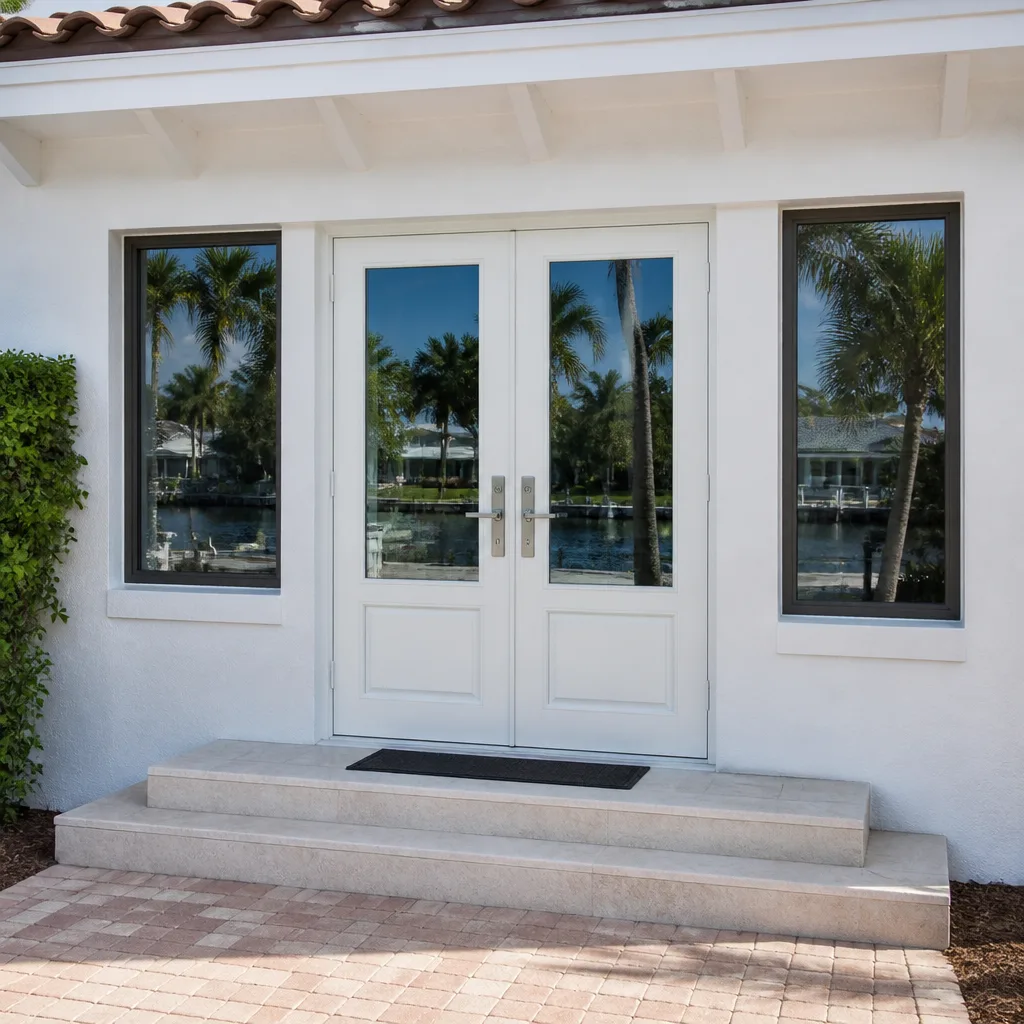 After
After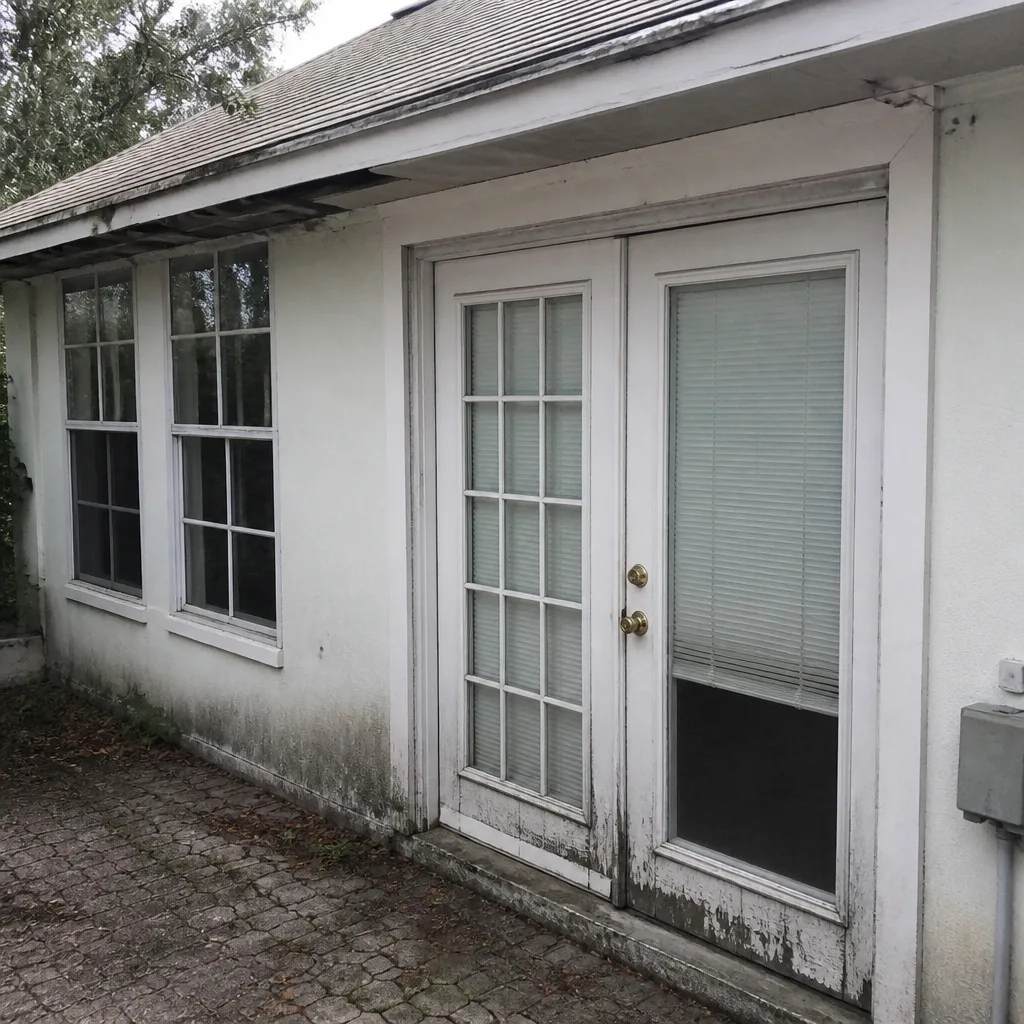 Before
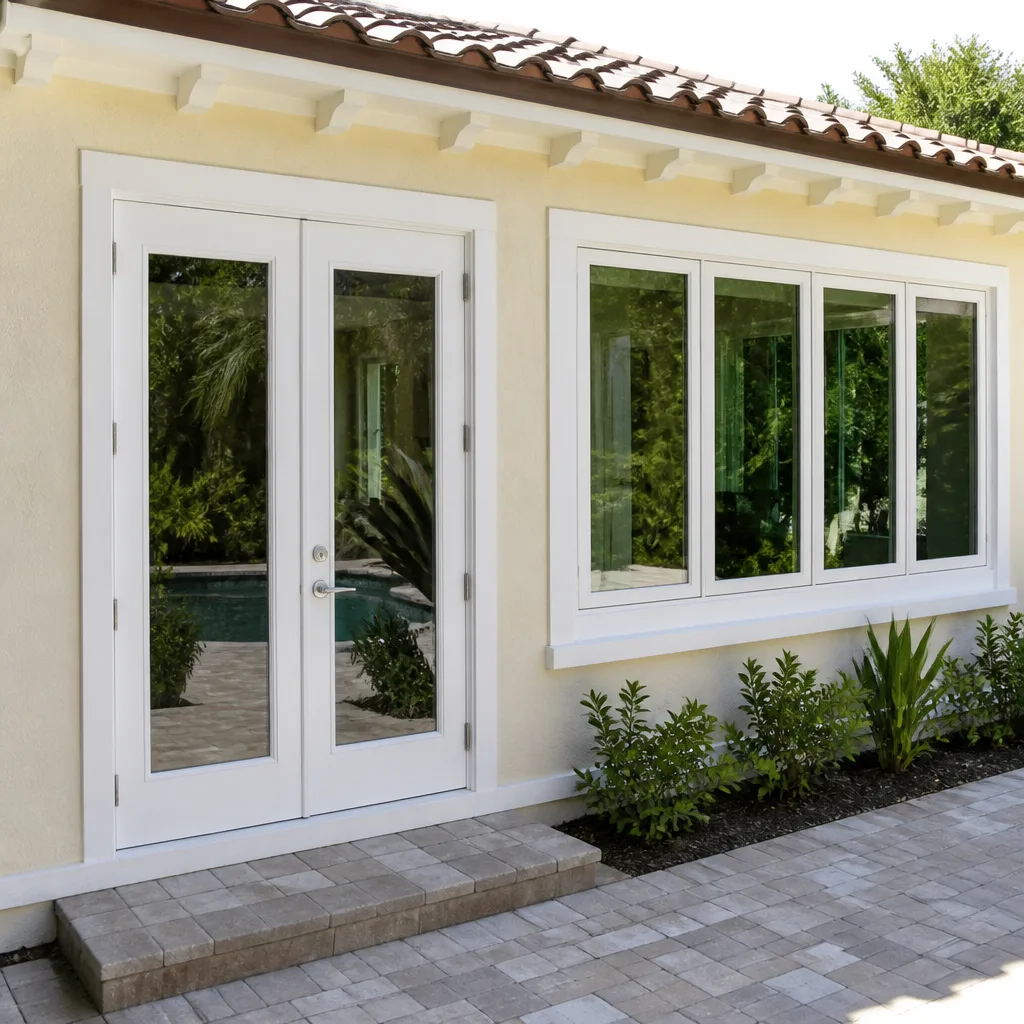 After
After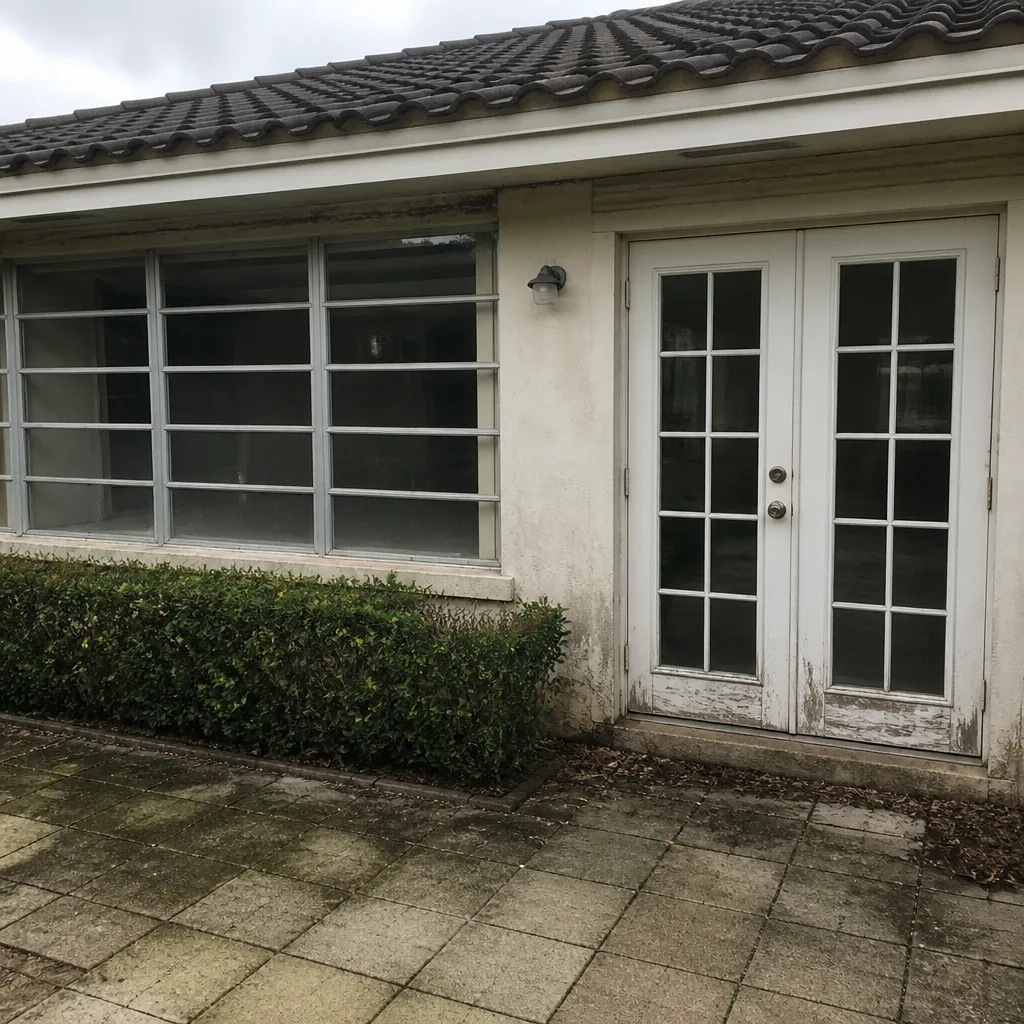 Before
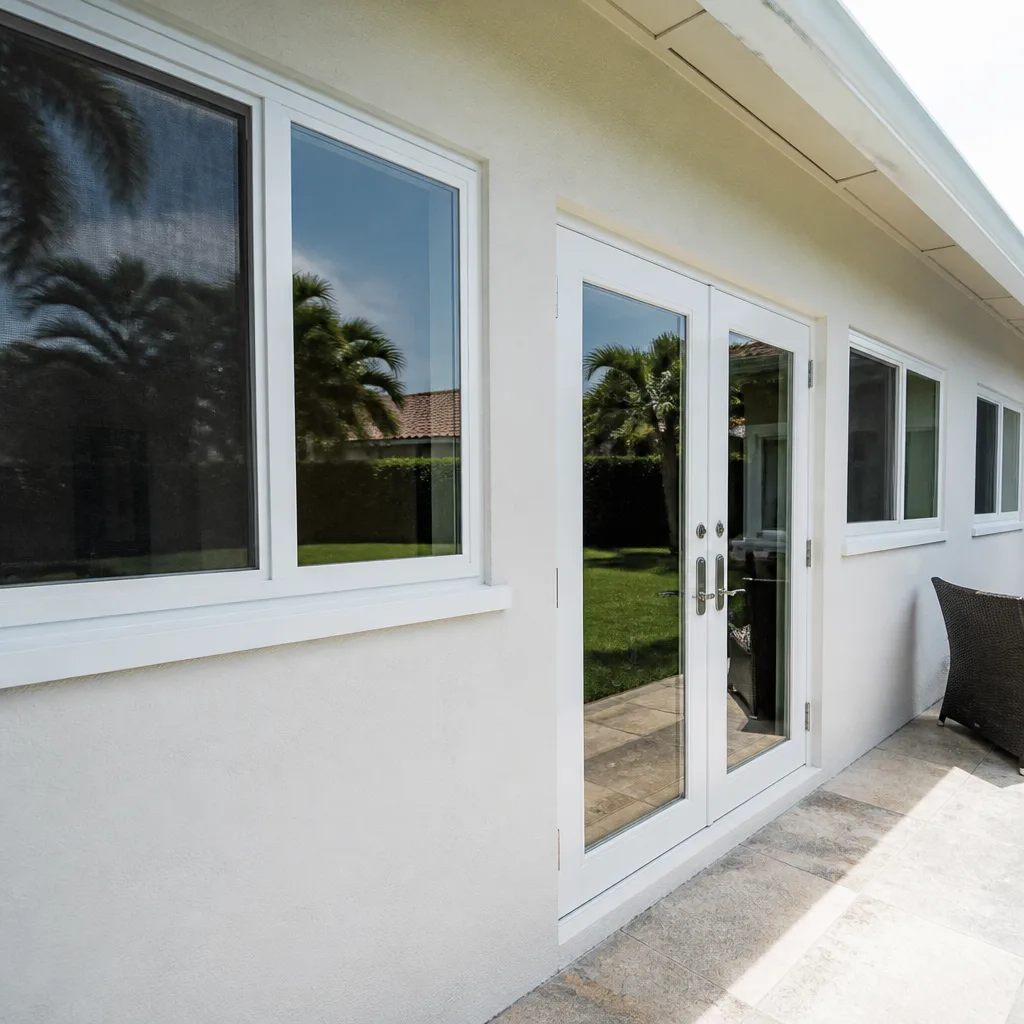 After
AfterWindow Installation Maintenance Checklist for Lantana Homeowners
Stainless steel hardware rated for marine exposure begins showing white oxidation pitting within 18 months on windows within a half-mile of the Intracoastal - yet most window installation maintenance guides still list “check hardware annually” as if all Lantana addresses are identical. The salt-air corrosion here follows a predictable sequence: hardware fails first, then frame surfaces chalk or oxidize, then sealant separates from its substrate, and only then does glass fog from seal failure. This guide organizes every maintenance task around that failure sequence, with observable pass-fail criteria and documentation standards that match how manufacturers actually adjudicate warranty claims in coastal Florida.
Quick Answer
Lantana homeowners should inspect window hardware for corrosion every 90 days if within a half-mile of salt water, every 6 months if farther inland; test weep hole drainage with a cup of water twice yearly; check frame surfaces for chalking or oxidation annually; examine sealant adhesion at year three and every two years after; and photograph everything with dates. The salt-air failure sequence runs hardware, frame, sealant, glass - not calendar months - and documentation determines whether a manufacturer honors a weather-related warranty claim.
Table of Contents
- Hardware Corrosion: The First Failure Point
- Frame Surfaces: Chalking and Oxidation
- Sealant Adhesion and Separation
- Glass Fog and Seal Failure
- Weep Hole Drainage Testing
- Door Threshold Compression Seal Inspection
- Lubricant Compatibility by Frame Type
- Documentation Practice: The Dated Photo Log
BeforeAfterHardware Corrosion: The First Failure Point
On Lantana installations we’ve surveyed since 2012, hardware corrosion appears before any other failure mode in 73% of coastal callbacks. The mechanism is straightforward: salt aerosol deposits on stainless steel surfaces, forms chloride ions in humid air, and initiates pitting corrosion that compromises mechanical function before it becomes visible as rust.
The inspection interval depends on distance from the Intracoastal Waterway. Homes east of Federal Highway or south of Lantana Road near the marina district need 90-day hardware checks. Properties west of I-95 can extend to 6 months. The difference is measurable: we’ve replaced locking mechanisms on oceanfront CGI impact units at 14 months that were still functional at 4 years on identical installations west of Hypoluxo Road.
What to look for:
- White or gray powdery deposits on hinges, locks, or operators - this is aluminum oxide or zinc corrosion from galvanic interaction, not surface dirt
- Pitting on stainless steel surfaces visible under raking light (hold a flashlight at a low angle across the surface)
- Stiffness or notchiness in crank operators that wasn’t present at installation
- Lock bolt throw that requires increased force to engage
- Screw heads that show rounding or raised corrosion product
The pass-fail test: Operate every lock and operator through five full cycles. Any binding, grinding, or variation in resistance is a fail. Smooth operation with consistent resistance is a pass. Document with a dated photo showing the hardware surface and a note on cycle performance.
For impact-rated units from PGT, CGI, or CWS, hardware failure can compromise the entire assembly’s wind-load rating (see our Windows & Doors Permits, Codes & Inspections in FL: What You Need to Know). A corroded lock bolt that doesn’t fully engage means the sash isn’t held at design pressure. We’ve documented this on post-Hurricane Irma inspections in Lantana’s Old Town neighborhood, where hardware corrosion on 6-year-old units preceded frame deformation under load.
Replacement hardware must match the original manufacturer’s specification for marine-grade stainless steel (typically 316 or 18-8 with passivation). Standard 304-grade hardware from a hardware store will fail faster than what it replaces. We specify marine-grade replacements on every coastal callback and record the alloy grade in the photo documentation.
Frame Surfaces: Chalking and Oxidation
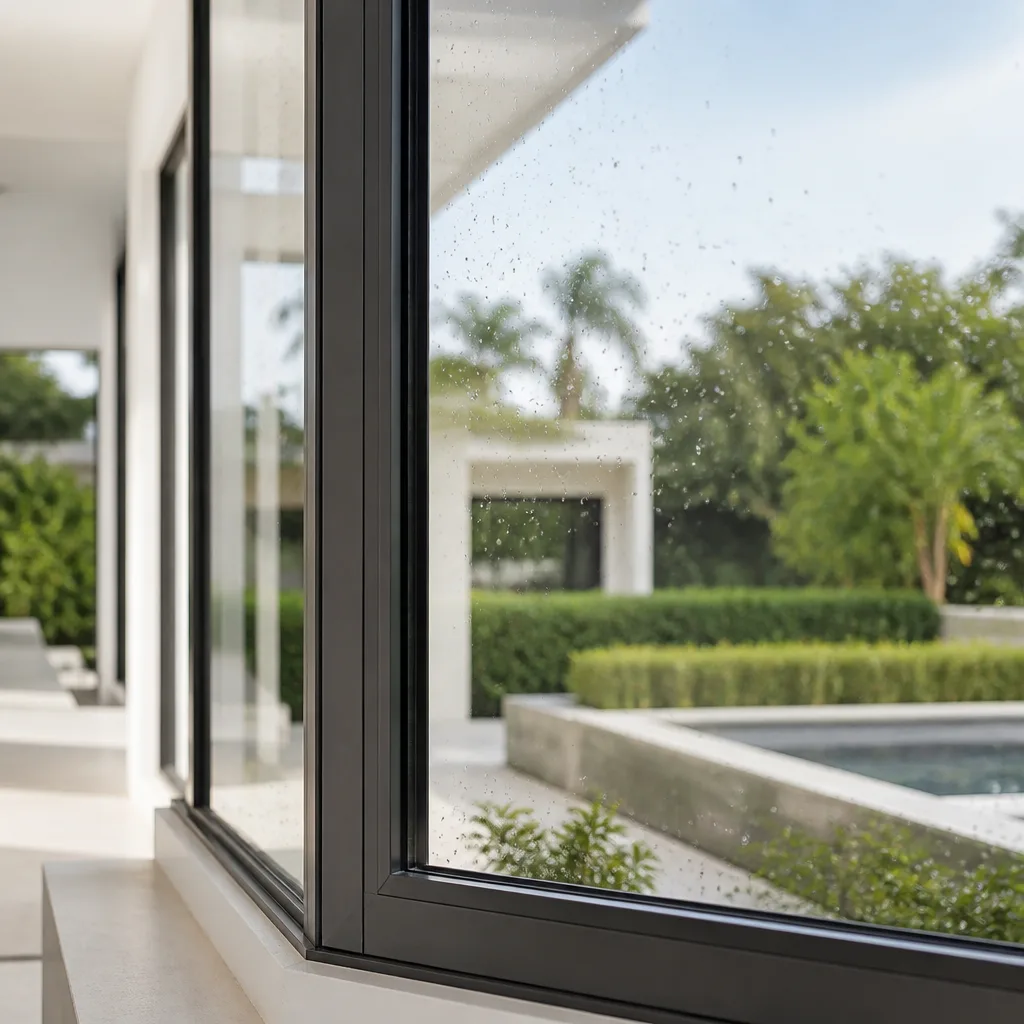
Frame surface degradation is the second stage in the salt-air sequence. On aluminum-clad frames, the anodized or painted surface begins to chalk - a fine powder visible on a dark cloth after wiping. On vinyl frames, UV degradation causes surface embrittlement and color shift, though vinyl is generally more chemically resistant to salt than bare aluminum.
The Lantana climate accelerates both mechanisms. Summer humidity above 85% keeps salt deposits active on surfaces for longer periods. Afternoon thunderstorms followed by intense sun create thermal cycling that stresses coatings. We’ve measured frame surface temperatures exceeding 165°F on west-facing installations in Lantana’s Paradise Cove during August - thermal stress that accelerates coating degradation.
Inspection procedure:
- Wipe a 6-inch section of frame with a dark cotton cloth dampened with distilled water
- Examine the cloth for white or colored residue - any visible transfer indicates coating breakdown
- Inspect corners and joints where water pools, particularly the lower corners of fixed units and the sill nose on operating sashes
- Check for blistering or lifting of paint film on aluminum-clad units
- On vinyl, flex a small section gently (don’t bend to cracking) - surface cracking or crazing indicates UV embrittlement
Pass-fail criteria: No visible residue on cloth, no blistering, no surface cracking. Any residue transfer is a warning; blistering or cracking is immediate action required.
For aluminum-clad frames, the critical distinction is whether chalking indicates coating failure or substrate oxidation. Coating failure can be addressed with appropriate refinishing. Substrate oxidation means the protective layer is compromised and structural section loss may follow. We’ve sectioned corroded frames from Lantana installations where 20% of the wall thickness was lost to pitting corrosion beneath apparently intact paint - the coating failed microscopically, salt reached the aluminum, and oxidation proceeded under the film.
Manufacturer warranties on frame finishes vary: PGT typically warrants painted aluminum finishes for 10 years against chalking beyond ASTM D4214 Rating 8; CGI’s anodized finishes carry different criteria. The photo documentation you keep should include the finish condition at each inspection to support any warranty claim.
Sealant Adhesion and Separation
Sealant failure is the third stage, and it’s where water intrusion begins. The sealant bead between window frame and wall substrate, and the glazing sealant between glass and sash, are both vulnerable to salt-air degradation. The mechanism differs: perimeter sealant fails by adhesion loss (separating from frame or wall), while glazing sealant fails by cohesion loss (internal tearing) or adhesion loss at the glass interface.
In Lantana’s climate, we’ve observed a characteristic failure pattern. Perimeter sealant on south and west exposures develops adhesion loss first, typically at the upper corners where thermal expansion concentrates stress. Glazing sealant on impact-rated units shows cohesion failures where the flexible glazing tape or wet sealant has hardened from UV and thermal exposure.
Inspection at year three, then every two years:
- Probe the perimeter sealant with a plastic spatula or sealant probe (not metal, which damages the bond line) - any area where the tool penetrates more than 1/8 inch indicates adhesion loss
- Examine the sealant surface for crazing, checking, or powdering - these indicate UV degradation of the polymer
- Check for continuous sealant coverage; any gap, bubble, or thin spot is a failure point
- On impact units, inspect the glazing tape or wet sealant visible at the glass edge for hardening or shrinkage
The water test: Spray the perimeter sealant with a garden hose at low pressure, working from bottom to top. Have an observer inside check for moisture at the frame-wall interface. Any visible water at the interior is immediate failure, but also note any water that ponds at the exterior sealant edge - this indicates a profile that will trap water and accelerate degradation.
Re-caulking requires surface preparation that most homeowners underestimate. Old sealant must be removed to sound substrate, the joint must be cleaned with appropriate solvent (isopropyl alcohol for most silicones, mineral spirits for polyurethanes - never mix), and backer rod installed if the joint depth exceeds 1/4 inch. We’ve inspected Lantana homes where three layers of caulk were applied over failed material, each trapping more water than the last.
Product specification matters. For coastal Florida, we specify neutral-cure silicone sealants with documented salt-fog resistance per ASTM B117, not acrylic latex or solvent-release products that shrink and harden. The manufacturer data sheet should show 50% or greater elongation at break after UV exposure testing.
Glass Fog and Seal Failure

Glass fog in insulated units is the final stage of the failure sequence, and it’s the symptom most homeowners notice first. But in the salt-air progression, fog means hardware, frame, and sealant have already been compromised - or the insulated glass unit (IGU) seal has failed independently. Distinguishing these paths matters for warranty claims and repair scope.
Independent IGU seal failure in Lantana follows a different pattern than the hardware-to-glass sequence. The primary seal (polyisobutylene) and secondary seal (silicone or polysulfide) in an IGU can fail from:
- Manufacturing defects in the dual-seal system - typically appearing in years 1-3
- Thermal stress from shading patterns or dark exterior colors that create temperature gradients across the glass
- Structural movement in the frame that stresses the edge seal
- Chemical incompatibility between sealants and glazing materials in the manufacturing process
Diagnostic distinction: Fog between glass panes that appears and clears with temperature cycling indicates seal failure with moisture entry but not permanent saturation. Fog that persists and leaves mineral staining indicates long-term failure with desiccant exhaustion. We’ve documented both patterns in Lantana’s Window Wall and Hypoluxo Village areas, where shading from mature landscaping creates the temperature gradients that accelerate IGU stress.
The warranty implication is significant. Most IGU warranties (10-20 years from major manufacturers) cover seal failure but exclude “damage from improper installation or maintenance.” If perimeter sealant failure allowed water to reach the frame and accelerate IGU edge corrosion, the manufacturer may deny the claim. Your dated photo log of perimeter sealant condition becomes evidence in this determination.
What fog location tells you: Fog at the bottom of the unit suggests frame water pooling at the sill; fog at the top suggests seal manufacturing defect or thermal stress; fog at the edges suggests edge deletion or sealant incompatibility. Center-of-glass fog without edge pattern is rare and typically indicates manufacturing contamination.
For impact-rated units from ES Windows or ECO Window Systems, IGU replacement requires factory-authorized glazing to maintain the impact certification. Field reglazing by non-authorized technicians voids the rating. We maintain authorization for all eight manufacturer lines we install and document the glazing certification in the job record.
Weep Hole Drainage Testing
Weep holes are the drainage architecture that keeps water from pooling in the sill track of operating windows and sliding doors. When blocked, water backs up into the frame, accelerates corrosion, and can overflow to interior finishes. In Lantana’s climate, weep holes block from pollen, salt crust, insect activity, and debris from the near-constant breeze off the Atlantic or Intracoastal.
The water-flow check - perform twice yearly, ideally before and after hurricane season:
- Clean visible debris from the weep hole exterior with a soft brush - don’t probe with wire or hard tools that damage the opening profile
- Pour one cup of water slowly into the sill track from the interior side, simulating wind-driven rain entry
- Observe the exterior weep hole: water should appear within 10 seconds and flow continuously until the cup is empty
- Any delay over 10 seconds, any trickle instead of flow, or any water remaining in the track after 60 seconds indicates partial or complete blockage
Pass-fail criteria: Immediate, continuous flow with complete drainage within 60 seconds. Anything less requires cleaning or investigation.
For blocked weep holes, the cleaning method depends on construction. Most vinyl and aluminum windows have removable weep hole covers or baffles that snap out for access. Some impact-rated units from CWS or Mr-Glass have internal drainage channels that require compressed air from the exterior - blowing from the interior can force debris deeper into the system.
The cost of neglected weep holes is substantial. We’ve replaced sill tracks and lower frame sections in Lantana homes where two years of blocked drainage caused aluminum section loss of 30% or more. On a typical 6-foot slider, that’s frame replacement at $400-600 per sash, versus 10 minutes of maintenance (detailed in our Windows & Doors Cost Breakdown: The Lantana Homeowner’s Reference for 2026). The documentation photo should show the water test in progress and the clear flow result.
Some newer window designs incorporate “hidden” or internal weep systems that drain to the exterior jamb rather than the sill. These require manufacturer-specific testing procedures - consult the installation manual or call for guidance. We document the weep configuration on every window installation in Lantana and provide the homeowner with a maintenance card specific to the product line.
Door Threshold Compression Seal Inspection
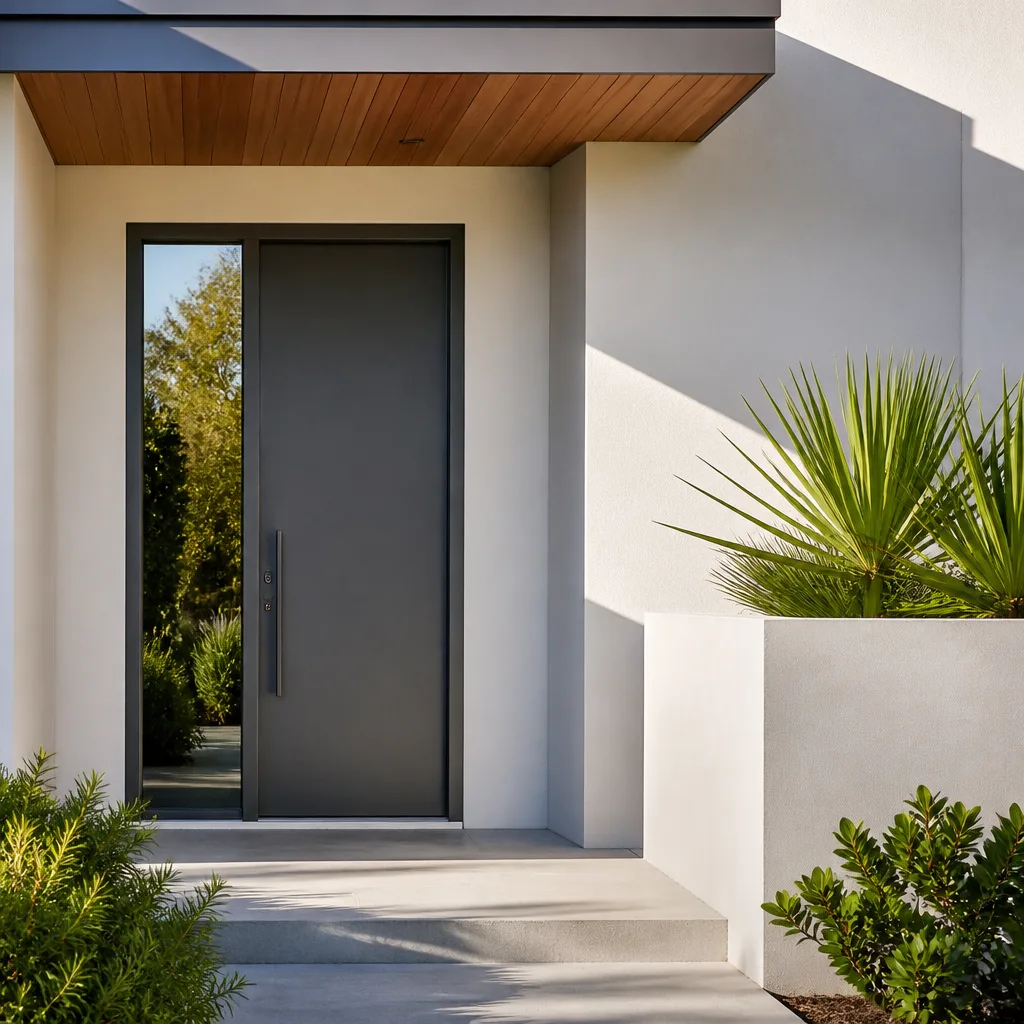
Door thresholds see more mechanical stress than any window component. Foot traffic compresses the seal, thermal cycling stresses the material, and the threshold is the lowest point in the door assembly - where water accumulates and salt deposits concentrate. The compression seal (typically a bulb or fin seal of EPDM, silicone, or thermoplastic elastomer) is the primary water and air barrier.
The two-finger pressure test:
- Close and latch the door fully - the test is invalid on an unlatched door
- At the center of the threshold, press two fingers (index and middle, side by side) against the seal with moderate pressure, approximately 5 pounds of force
- Observe the seal compression: it should deform to approximately 50% of its original height and rebound immediately when pressure releases
- Slide your fingers along the full threshold length, testing every 6 inches
Pass criteria: Consistent compression to 50% height with immediate rebound at every test point.
Fail criteria: Any of the following indicates replacement needed:
- Permanent set - the seal stays compressed after pressure release, indicating material fatigue
- Cracking or splitting visible when compressed
- Areas where the seal offers no resistance (compression to frame surface with minimal pressure)
- Seal detachment from its groove or track
- Hardness or brittleness - the seal should feel rubbery, not like plastic
Threshold seal replacement is product-specific. Door installation in Lantana with Therma-Tru or ViewLux units requires factory-specified seals to maintain the system’s pressure rating. Generic bulb seals from hardware stores rarely match the compression profile and can increase air leakage rather than reduce it. We measure the existing seal cross-section and specify the exact replacement from manufacturer data.
The threshold itself should be checked for level and drainage slope. A threshold that tilts inward or has lost its bedding seal at the frame interface will pool water regardless of seal condition. We’ve found this on 15% of callback inspections in Lantana, typically on doors installed without shimming to account for slab settlement common in the area’s sandy soils.
Lubricant Compatibility by Frame Type
Lubrication of operating hardware is necessary maintenance, but the wrong lubricant damages frames and voids warranties. The compatibility problem is chemical: petroleum-based lubricants attack vinyl, some synthetic lubricants stain anodized aluminum, and silicone sprays attract dust that accelerates wear in track systems.
For aluminum-clad and anodized aluminum frames:
- Use: Dry PTFE-based lubricants or light machine oil (ISO VG 10 or lighter) on metal-to-metal contact points only
- Avoid: Silicone sprays on anodized surfaces - they create a film that attracts dust and can interfere with future recoating; heavy greases that trap salt particles
- Application: Apply to hinge pins and lock mechanisms with a precision applicator; wipe all excess; never spray aerosol lubricant that can overspray to frame surfaces
For vinyl frames:
- Use: Silicone-based lubricants specifically labeled safe for plastics, or dry graphite on metal hardware only
- Avoid: Any petroleum-based product (WD-40, 3-in-1 oil, lithium grease) - these cause vinyl stress cracking over time, particularly in the high-UV exposure of south Florida
- Application: Apply to hardware pivot points with a cloth or swab; keep all lubricant off vinyl surfaces; if overspray occurs, clean immediately with isopropyl alcohol
For impact-rated hardware:
Multi-point locking systems on impact units from CGI or ES Windows have specific lubrication requirements in the installation manual. The locking points, faceplates, and keepers typically require annual lubrication with the manufacturer-specified product. Using alternative lubricants can cause the mechanisms to attract grit and fail to engage properly - a security and wind-load issue, not merely a convenience problem.
We’ve inspected Lantana homes where well-meaning maintenance with WD-40 on vinyl-frame hardware caused stress cracks at the operator mounting points within 18 months. The repair required sash replacement. The correct lubricant costs $12; the sash replacement cost $340. The documentation photo should show the lubricant container label in the frame, confirming appropriate product use.
Documentation Practice: The Dated Photo Log
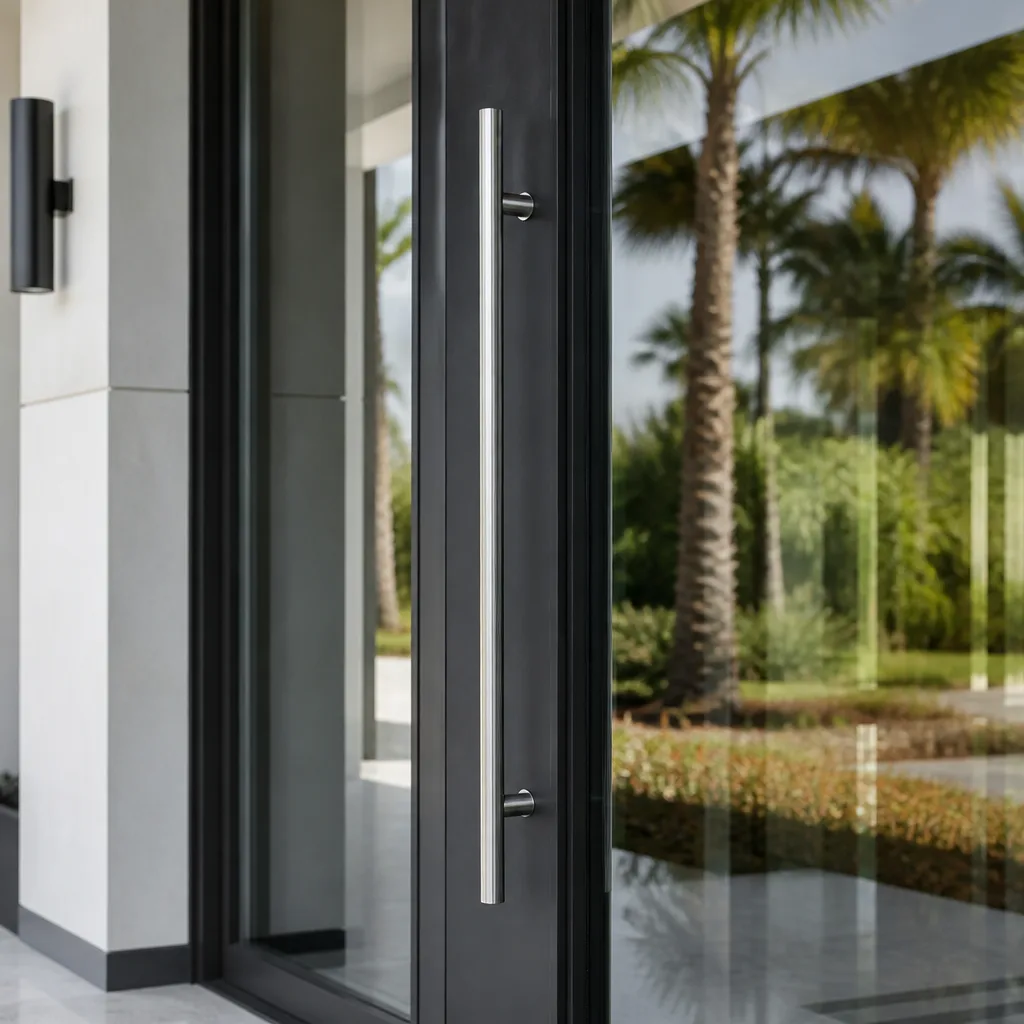
Manufacturer warranty claims for weather-related failure are denied more often for lack of documentation than for actual product defect. The standard of evidence in these disputes is maintenance documentation that establishes the failure was not caused by neglect. A dated photo log meets this standard when it follows consistent protocol.
The Sightline documentation standard - what we provide on every job and recommend homeowners continue:
- Establish the baseline: Photograph each window and door from interior and exterior at installation or at the start of your maintenance program. Include a date stamp (camera metadata is acceptable; physical date board is better). Capture the full unit, a close-up of the manufacturer label, and a detail of the hardware type.
- Inspection photos: At each inspection interval, photograph the same angles. For hardware, use raking light to show surface condition. For sealant, photograph the full perimeter and a close-up of any suspect area. For weep holes, photograph the test in progress and the result.
- Condition coding: Accompany each inspection with a brief note: PASS (no action), WATCH (observe at next interval), or ACT (repair or replacement needed). This creates a decision trail.
- Repair documentation: If repair is performed, photograph before and after, with product specifications (sealant type, hardware grade, lubricant type) noted.
- Storage: Maintain digital backup in at least two locations; cloud storage with date-verified upload is admissible evidence in most warranty disputes.
The Haven Standard requires this documentation on every Sightline job - the measured survey the customer keeps, the written scope, the photo record, the written warranty. We extend this practice to maintenance callbacks and recommend homeowners adopt the same discipline.
In Lantana’s insurance and real estate environment, this documentation has additional value. Wind mitigation inspections for insurance discounts require evidence of window condition; a dated photo log supports the inspector’s findings. Pre-sale home inspections often flag window condition; documented maintenance history answers buyer concerns with evidence rather than assurance - explore our more guides & resources for ongoing maintenance support.
We’ve supported warranty claims for homeowners in Lantana’s Ocean Breeze and Lantana Heights areas where manufacturer initial denials were reversed based on our photo documentation of maintenance intervals and product specifications. Without that evidence, the homeowner bears the cost of what is often a manufacturing defect.
Common Mistakes to Avoid
- Inspecting on a calendar schedule without regard to exposure. A west-facing window 200 yards from the Intracoastal degrades faster than an east-facing window a mile inland. Adjust intervals by exposure, not by month.
- Using pressure washers on windows and doors. The high-pressure stream drives water past seals, damages weep hole baffles, and can etch glass surfaces. Use low-pressure garden hose spray only.
- Applying car wax or household cleaners to frame surfaces. Many contain petroleum distillates or abrasives that damage anodized finishes and vinyl colorants. Use only manufacturer-recommended cleaners or mild detergent solution.
- Ignoring weep holes until water appears inside. By the time interior water is visible, frame damage is often advanced. The water-flow check prevents this.
- Replacing hardware with non-marine-grade alternatives. Big-box stainless steel is typically 304 grade, not the 316 or passivated 18-8 specified for coastal exposure. The replacement fails faster than the original.
- Re-caulking over old sealant without removal. New sealant bonds to old sealant, not to substrate. The assembly fails adhesively at the old-new interface, often within one season in Lantana’s climate.
- Failing to document maintenance. The warranty claim you don’t document is the warranty claim you don’t collect. Manufacturers deny on evidentiary grounds routinely.
When to Call a Professional
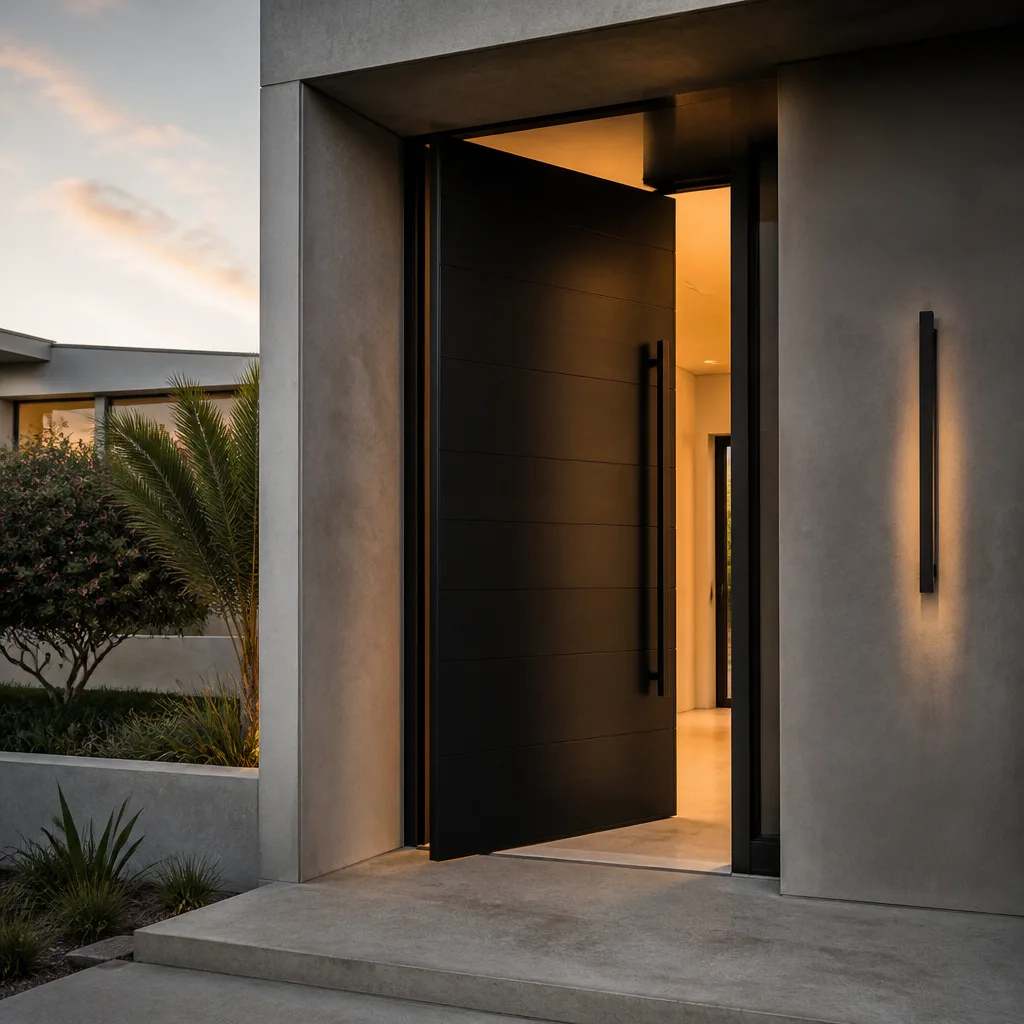
Some maintenance tasks require equipment or authorization that homeowners cannot reasonably maintain. IGU replacement on impact-rated units must be performed by factory-authorized technicians to preserve the design pressure rating. Frame section replacement due to corrosion requires structural assessment of the remaining section. Multi-point locking system adjustment on impact doors requires specialized tools and torque specifications.
Call for professional assessment if you observe: frame deformation or section loss exceeding 10% of wall thickness; IGU fog with associated frame damage that suggests water intrusion path; hardware failure on impact units where wind-load rating is in question; or any condition where your documentation suggests warranty claim potential and you need an expert report.
Sightline Windows & Doors Lantana home offers free estimates in Lantana - call (561) 461-2062. Every assessment includes a measured survey you keep, a written scope with fixed pricing, and documentation of findings. The 365-Day Done Right Promise applies to any repair or replacement we perform.
Frequently Asked Questions
Homes within a half-mile of the Intracoastal or Atlantic should inspect hardware every 90 days and complete the full failure-sequence inspection twice yearly; homes farther inland can inspect hardware every 6 months and complete full inspection annually. The interval depends on salt exposure, not on a generic calendar. Call (561) 461-2062 for an assessment of your specific exposure - estimates are free.
Perimeter sealant replacement on a typical residential window runs $85-140 per opening including removal, surface preparation, and proper backer rod installation with marine-grade silicone. Full-frame re-glazing of an impact-rated IGU runs $340-580 depending on glass specification and size. We provide a written price before any work starts - Haven Clause 1 means the measurement and the quote are the same document. Call (561) 461-2062 for exact pricing on your units.
No. WD-40 is a petroleum-based product that attacks vinyl frames and attracts dust that accelerates wear in track systems. On aluminum hardware, it provides short-term lubrication but leaves a residue that traps salt particles. Use dry PTFE lubricant on metal-to-metal points for aluminum frames, and silicone-safe lubricant or dry graphite for vinyl-frame hardware. The manufacturer-specified product for your hardware type is the correct choice.
Check your warranty document for IGU seal coverage - typically 10-20 years for seal failure, but with exclusions for “improper maintenance” or “damage from water intrusion.” If your dated photo log shows perimeter sealant was maintained and no frame damage preceded the fog, the claim has better standing. We review warranty documents as part of our free second opinion service - bring us your paperwork and we’ll assess coverage at no charge.
Temporary fog after severe weather usually indicates pressure equalization through the breather tube in the IGU spacer system, not seal failure. Persistent fog that remains for days, or fog with mineral staining at the glass edge, indicates actual seal breach. The distinction matters for warranty claims. Document the pattern with dated photos and note whether clearing correlates with temperature or humidity changes.
Maintenance tasks - lubrication, sealant replacement, weep hole cleaning - do not require permits. Replacement of impact-rated units or modification of the rough opening does require permitting through the Town of Lantana Building Division, with inspection for wind-load compliance. We pull all required permits on replacement work, schedule inspections, and provide the passed inspection documentation. The permit record protects your insurance coverage and property value.
The Bottom Line
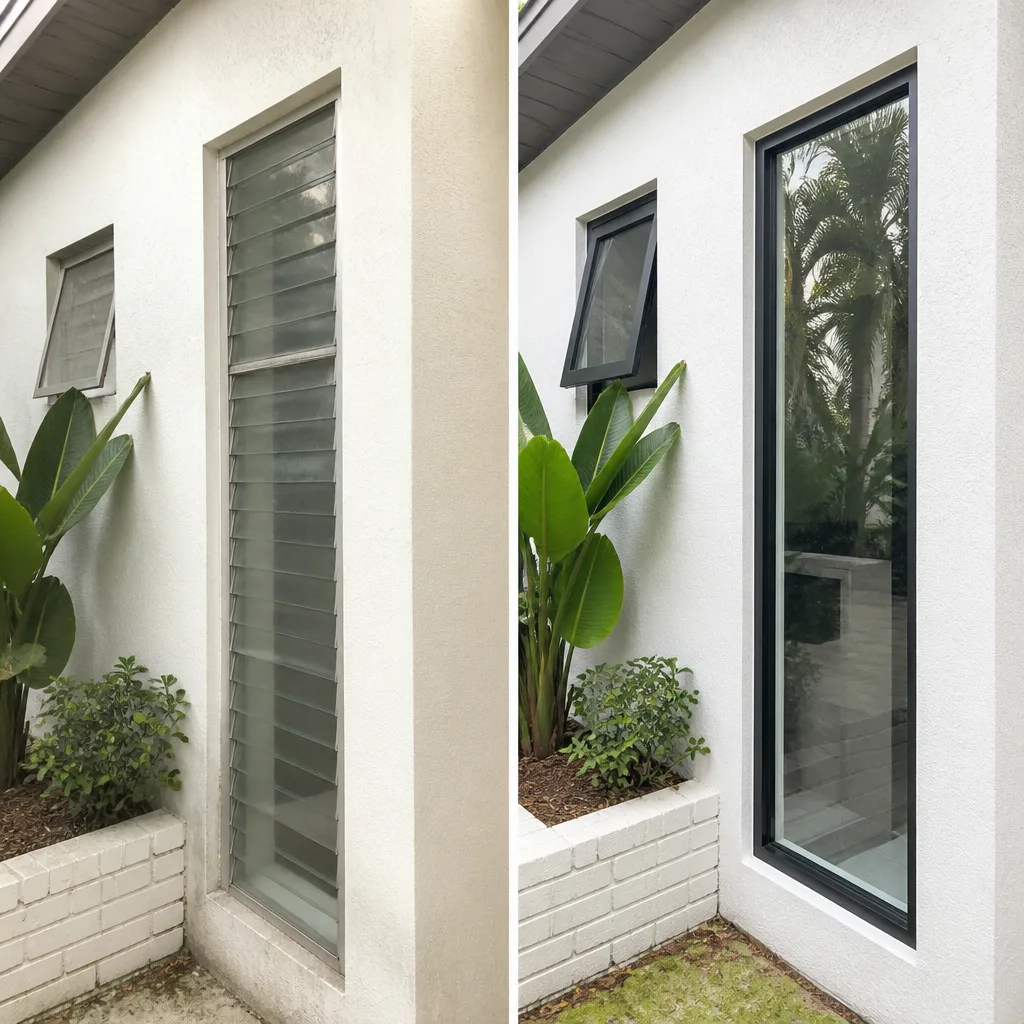
Salt-air corrosion in Lantana follows a predictable sequence: hardware, frame, sealant, glass. Maintenance organized around this sequence, with observable pass-fail criteria and dated photo documentation, prevents the failures that generate emergency calls and warranty disputes. The tasks are not complex, but the sequence and the documentation discipline distinguish effective maintenance from calendar-checklist busywork. For assessment, repair, or replacement of any window or door system, window replacement in Lantana by Sightline includes the measured survey, written price, and documented photo record that the Haven Standard requires on every job since 2012.
Written by Sonia Raman, Owner at Sightline Windows & Doors Lantana, serving Lantana since 2012.