
Last updated September 24, 2026
Free in-home measure and quote - PGT, CGI and CWS impact lines compared on your actual openings, style by style
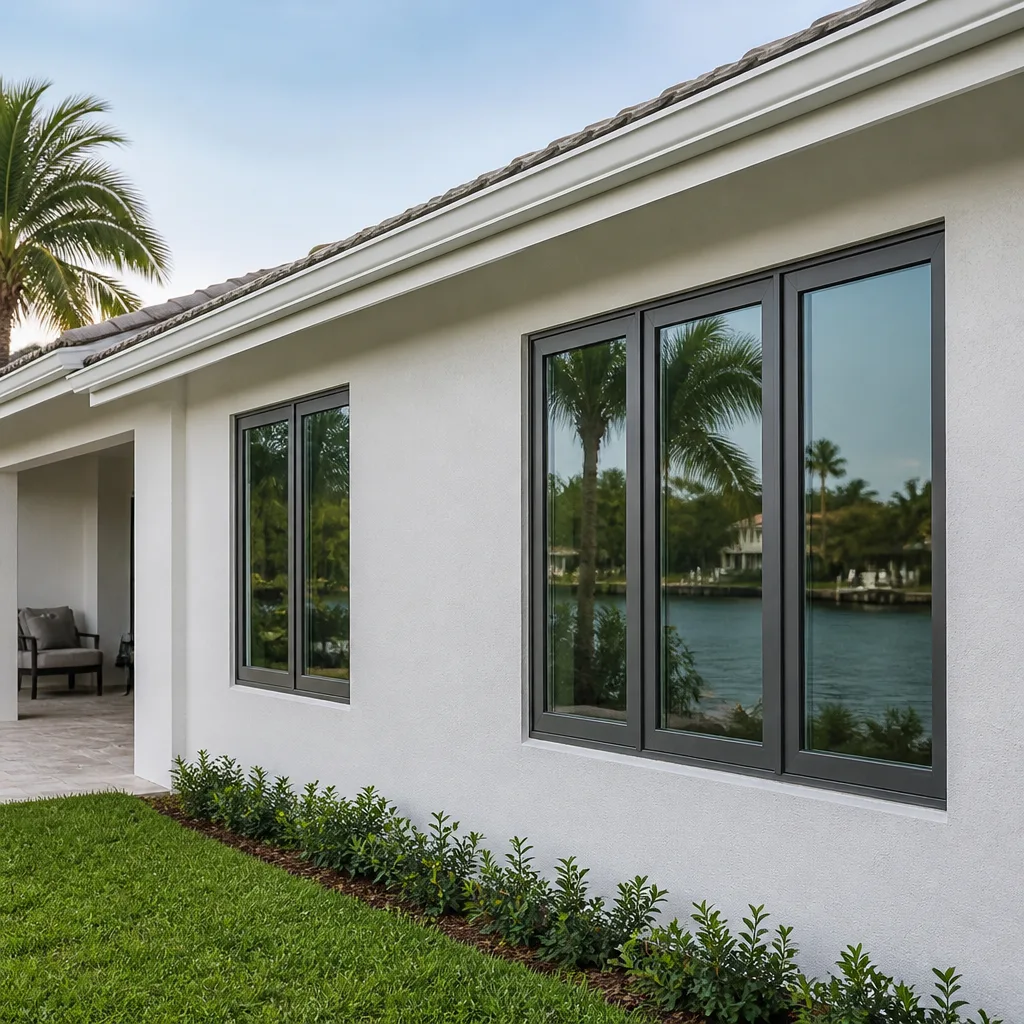
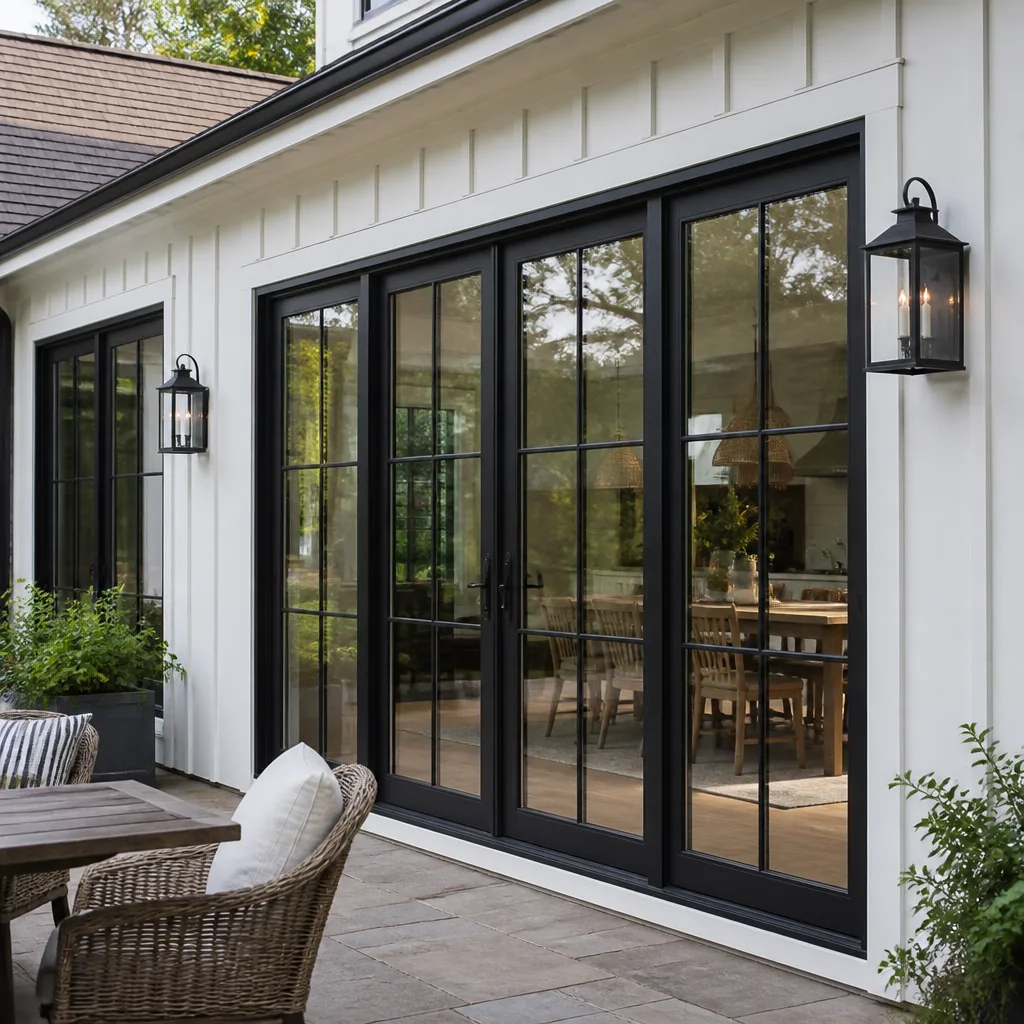
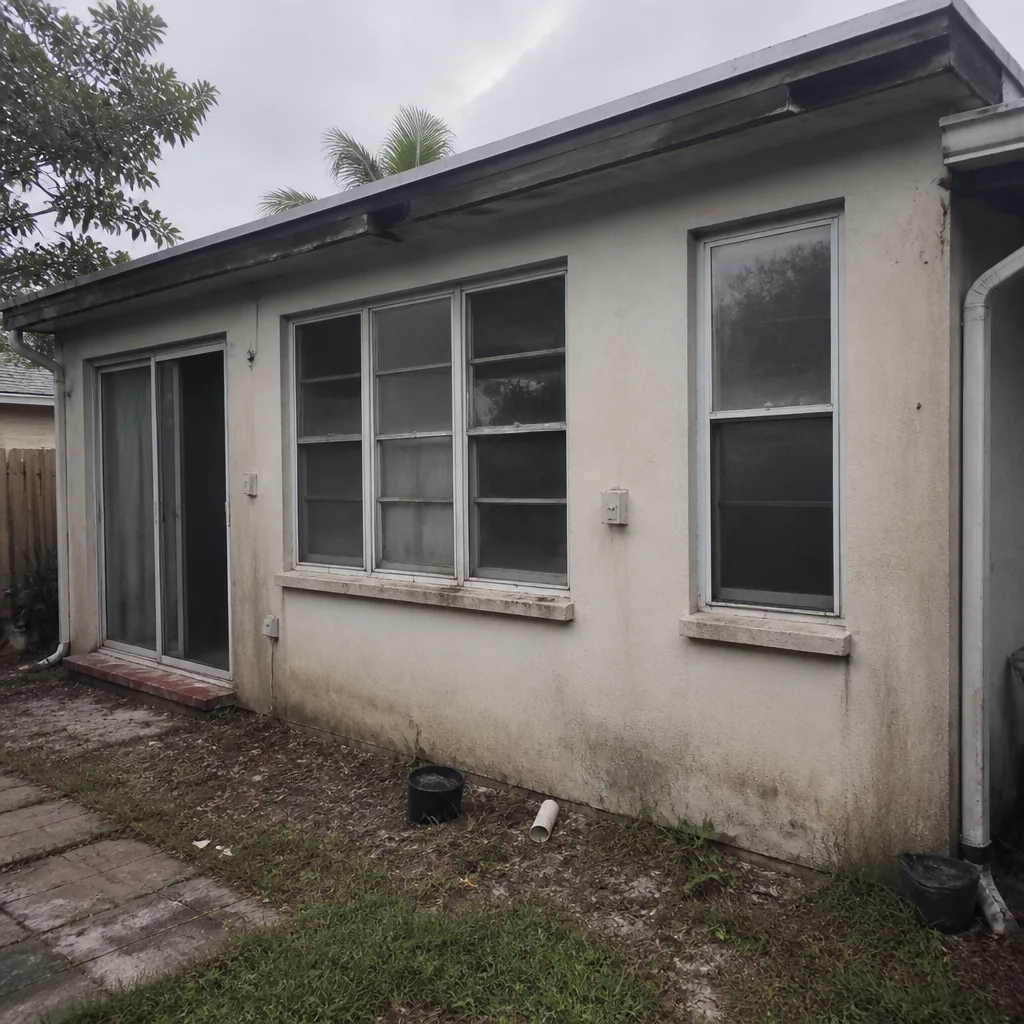 Before
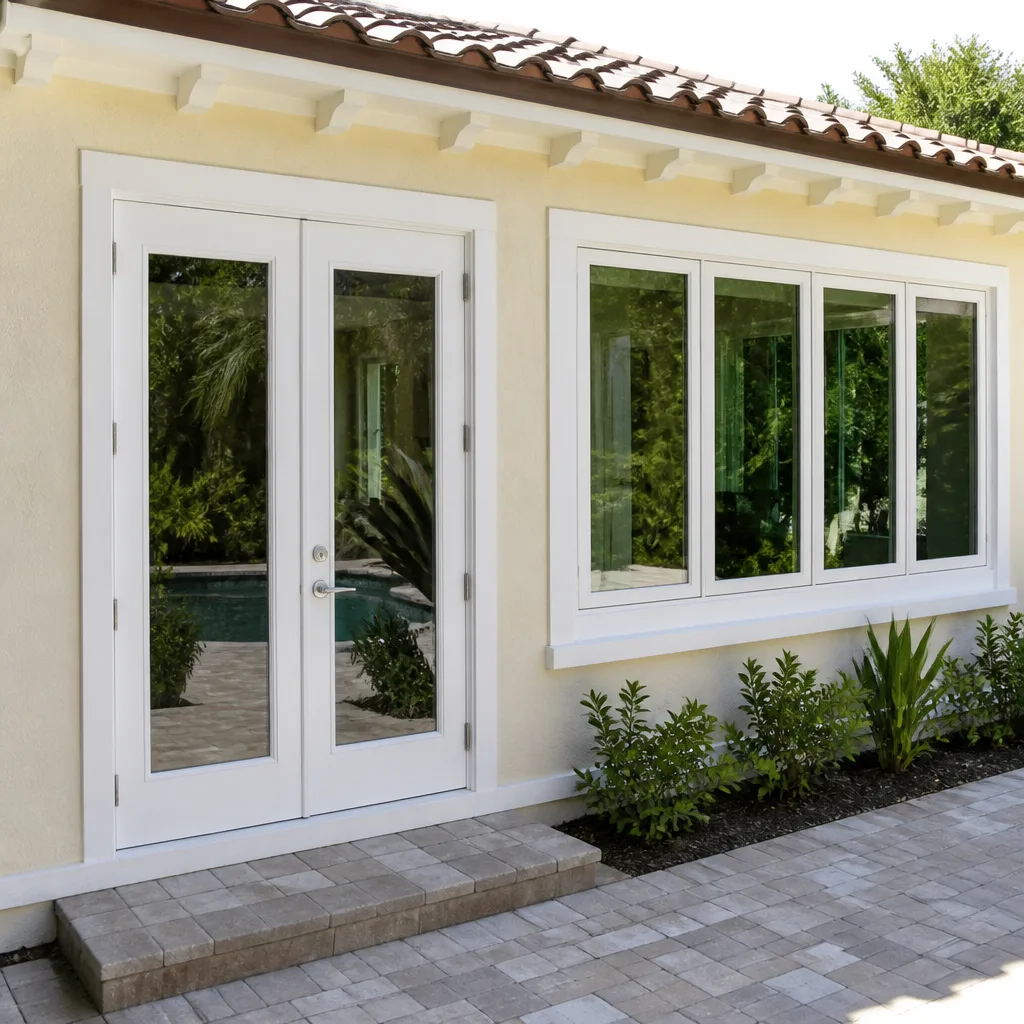
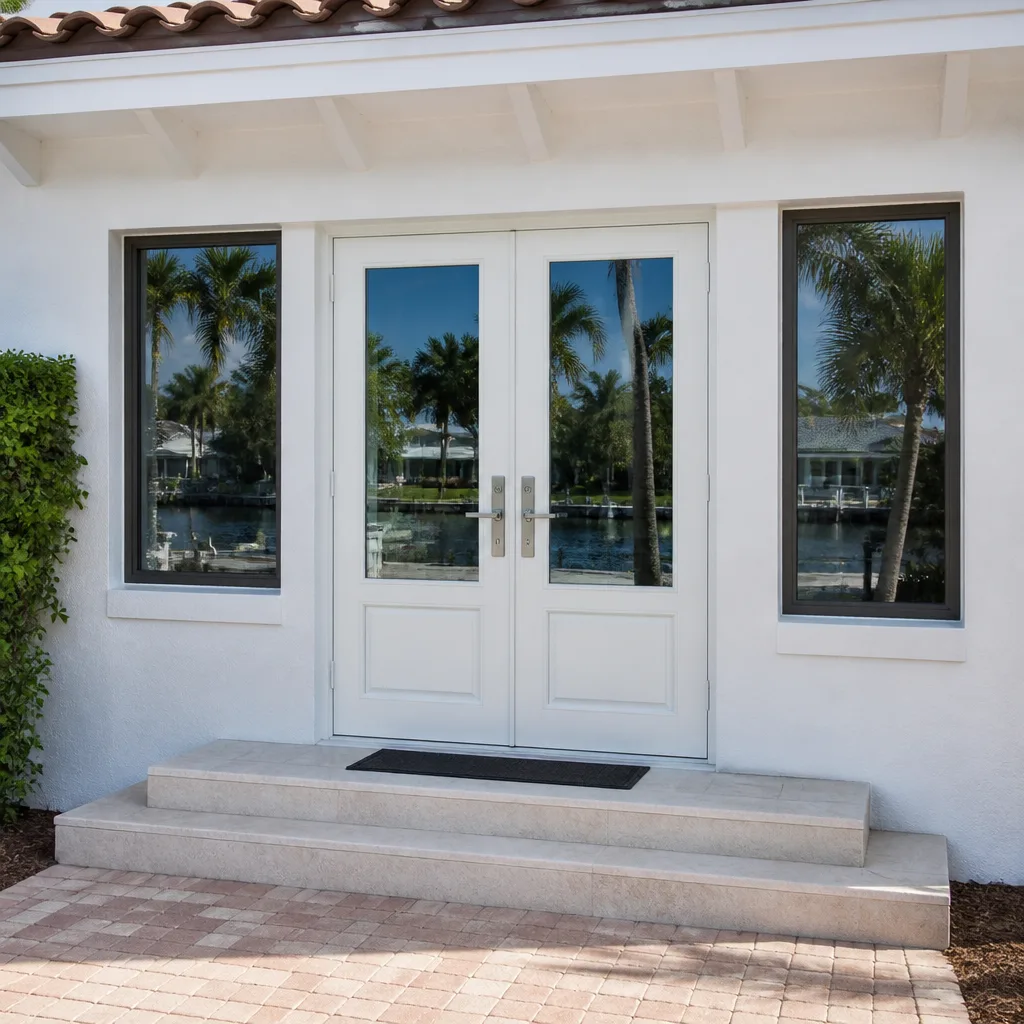 After
After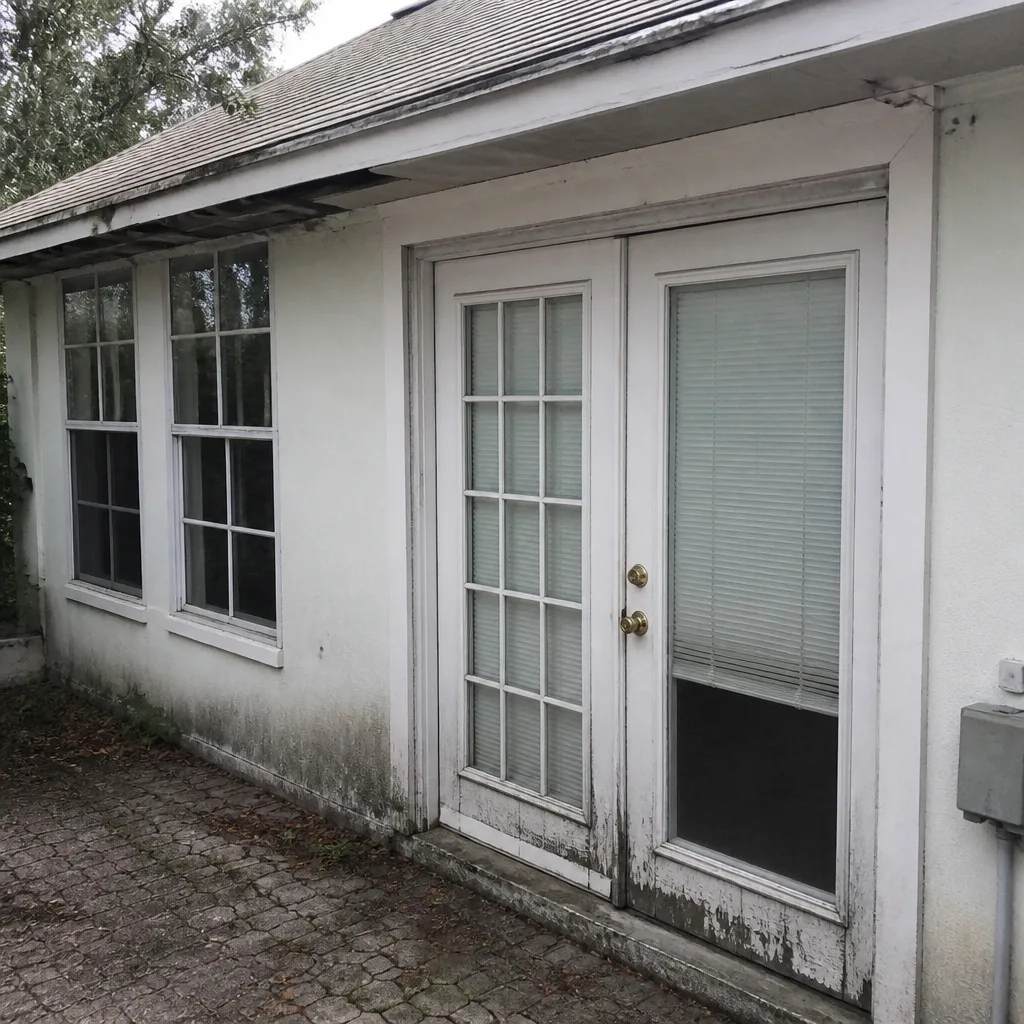 Before
 After
After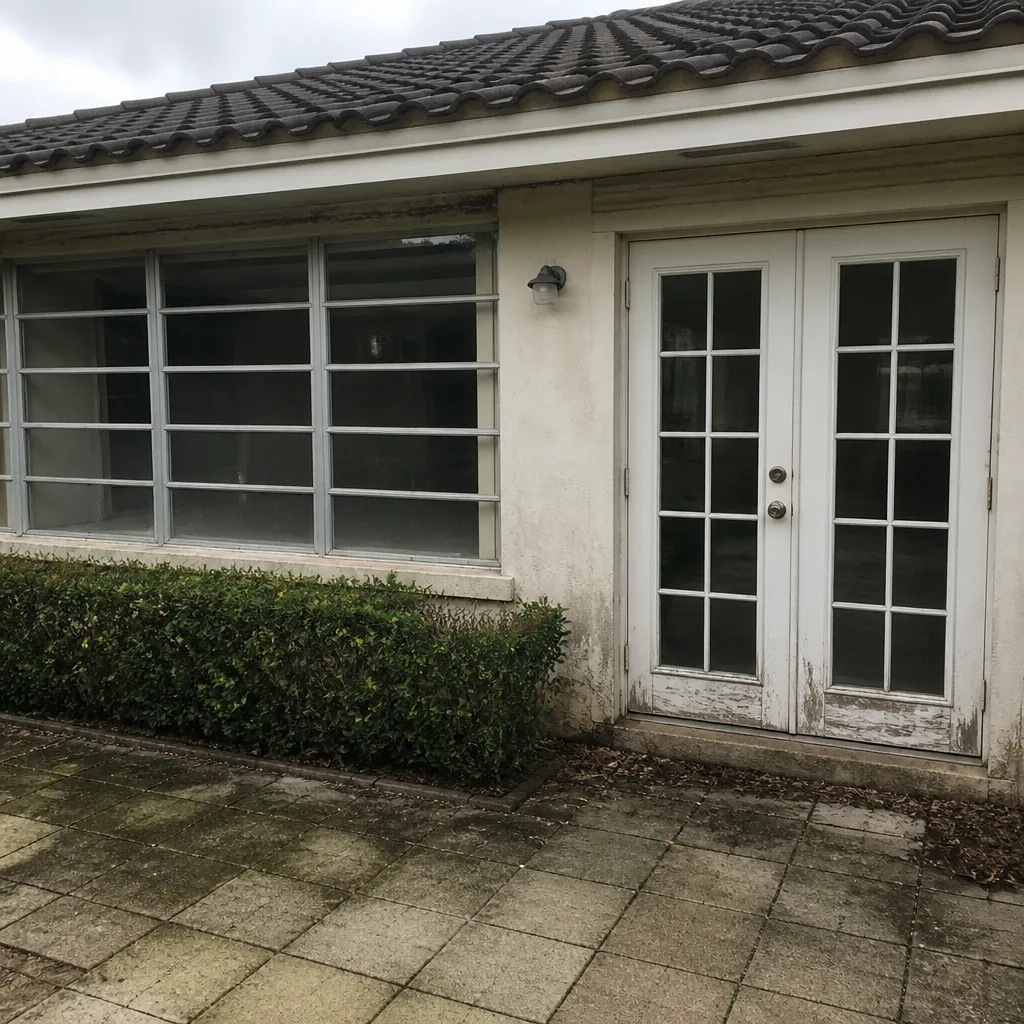 Before
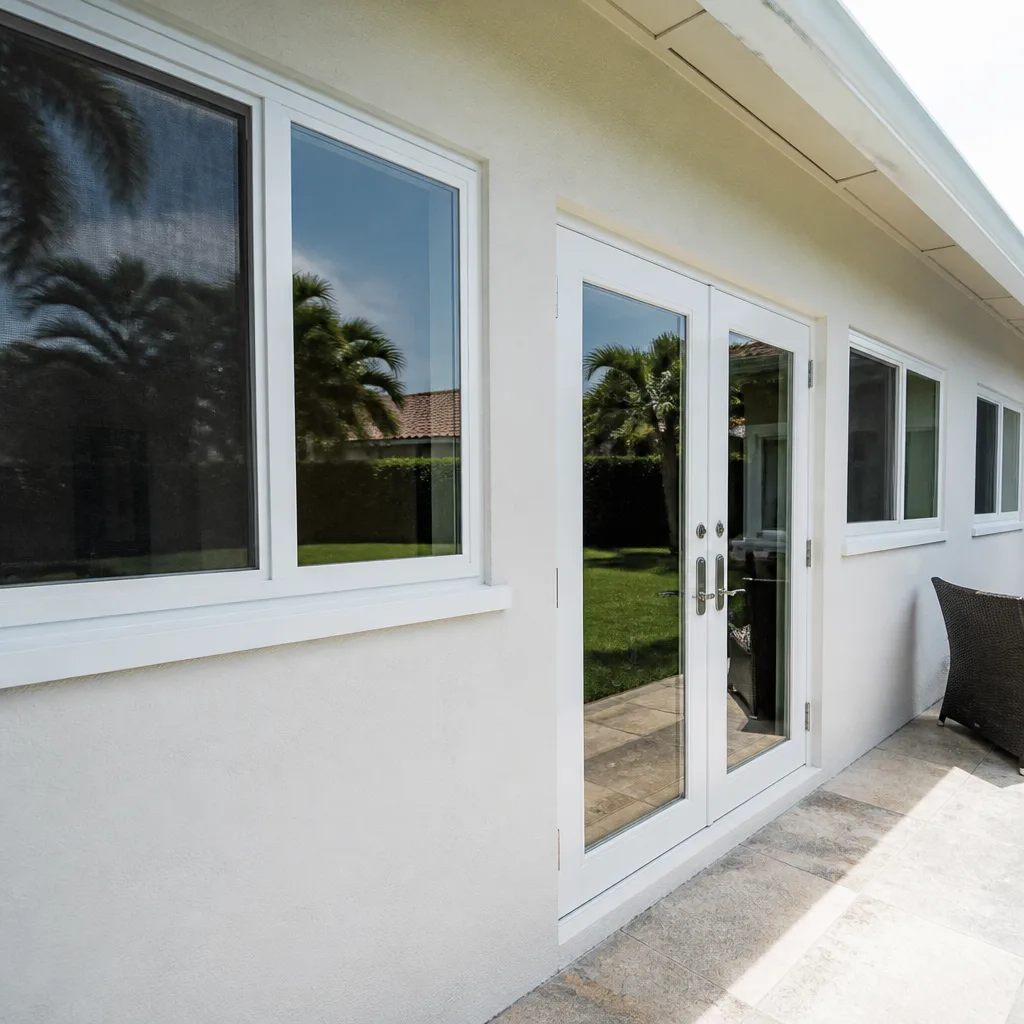 After
AfterHow to Hire a Windows & Doors Contractor in Lantana: A Step-by-Step Guide
Palm Beach County’s contractor licensing database shows 74 active “window and door” license holders, but only a subset carry the specific glass and glazing or building contractor license class required to pull a structural opening permit in Lantana without subcontracting. The rest must hire another contractor to handle permits, and that gap travels straight into your price. In this guide and our more guides & resources, you’ll learn how to verify credentials yourself, read a quote for hidden price movement, and demand the documentation that separates a fixed-price contractor from one who estimates by design.
Quick Answer
Hiring a windows and doors contractor in Lantana requires verifying three things before any quote: a Florida DBPR license in the correct classification for your job type, a certificate of insurance naming your property address, and a measured survey that produces a dimensioned document with product specs and labor line items. The contractor who treats that survey as the final quote, not a starting point, is the one who has eliminated price movement from their process.
Table of Contents
- How to Verify a Contractor’s License in Lantana
- What a Measured Survey Should Actually Produce
- Five Questions That Expose Estimate-to-Invoice Gaps
- How to Verify Insurance Before Anyone Arrives
- Three Contract Clauses That Prevent Mid-Job Substitution
- Lantana-Specific Permits, Codes, and Climate Considerations
- Common Mistakes to Avoid
- When to Call a Professional
- Frequently Asked Questions
- The Bottom Line
BeforeAfterHow to Verify a Contractor’s License in Lantana
Florida’s Department of Business and Professional Regulation (DBPR) maintains a public license lookup at myfloridalicense.com. Every homeowner should use it. But the lookup is only useful if you know which license classification legally covers your specific job.
For window and door work in Lantana, three classifications matter:
- Certified Building Contractor (CBC): Can perform structural modifications to rough openings, install impact-rated systems, and pull permits for any residential window or door replacement.
- Certified General Contractor (CGC): Broader scope, but fully covers window and door installation including structural changes.
- Registered Glass and Glazing Contractor: Specific to window installation but cannot modify structural openings without subcontracting a building contractor.
Here’s the Lantana-specific issue: many window-only contractors hold only the glass and glazing classification. For a standard vinyl replacement window in a existing opening, that’s sufficient. But if your home was built before 2002 and the original openings aren’t impact-rated, or if you’re enlarging an opening for a sliding door, that contractor cannot legally pull the permit. They’ll subcontract the structural work, add markup, and you’ll pay for coordination you never see itemized.
To check a license yourself:
- Go to myfloridalicense.com and select “Verify a License.”
- Enter the contractor’s name or license number.
- Confirm the status reads “Current/Active” with no disciplinary history in the past five years.
- Click the license number to view the full classification list. Look for CBC, CGC, or Registered Glass and Glazing.
- Note the business name on the license. If it doesn’t match the company quoting your job, ask why. Some contractors work under multiple entities, but the license holder is the legally responsible party.
At Sightline Windows & Doors Lantana home, every technician arrives with license numbers visible on their uniform, per Haven Clause 3 (Verified Crews). The customer sees the same number that’s in the DBPR database, and we encourage verification before we schedule the measured survey.
What a Measured Survey Should Actually Produce
The measured survey is where most price movement originates. A contractor who measures quickly, writes a number on a notepad, and emails a quote later has separated the measurement from the price. That gap is where “unforeseen conditions” appear mid-job.
A proper measured survey for window or door installation in Lantana produces a physical document the customer keeps. At minimum, it should contain:
- Rough opening dimensions for every window or door, recorded to the quarter-inch
- Frame condition notes: rot, termite damage, out-of-square readings
- Product model numbers, not just brand names
- Glass specifications: impact rating, U-factor, SHGC values for energy code compliance
- Labor line items: removal, disposal, installation, trim, sealant, interior finishing
- Permit costs, if applicable, as a separate line item
In Lantana, we regularly see homes in the Hypoluxo Island and East Ocean Avenue corridors with original jalousie windows from the 1960s and 1970s. The rough openings in these homes often deviate from modern standard sizes by two to four inches. A contractor who measures the sash and orders a stock size discovers the mismatch at installation, and the change order follows. The measured survey should catch this before any product is ordered.
The Window Installation in Lantana process we follow begins with a survey document that becomes the quote. The customer initials each page. The final invoice references the same document by date and page number. Haven Clause 1 (Have it in writing) means the measurement and the quote are the same document. If a contractor cannot produce the survey document at the final walkthrough, they have not followed their own process.
Red flags in a survey:
- Measurements taken from inside only, without exterior frame inspection
- No notation of existing window type or mounting method
- Product described by brand only (“PGT windows”) without model series or performance grade
- Missing SHGC value, which Florida energy code requires for permit approval in Palm Beach County
- Labor described as “install only” with no line for removal, disposal, or finishing
Five Questions That Expose Estimate-to-Invoice Gaps
These questions reveal whether a quote is fixed-price or estimate-subject-to-change before you sign anything. Ask them in sequence during your first conversation.
- “Will the person who measures be the person who installs?”
If the answer is no, the measurement is being handed off. Information gets lost in handoffs. At Sightline, the technician who measures is the technician who installs, and both are named in the work order.
- “Can I see the measured survey before I approve the quote?”
A contractor who won’t show the survey before asking for signature is asking you to trust a number without its supporting evidence. The survey is your proof that the price is grounded in physical reality.
- “What happens if the rough opening is larger or smaller than measured?”
The honest answer for a fixed-price contractor: “We measure to the quarter-inch and order custom where needed.” The warning sign: “We’ll adjust on site if needed.” Adjust on site means change order.
- “Is permit pulling included, and who pulls it?”
In Lantana, window replacement in the same opening typically doesn’t require a permit if no structural modification occurs. But impact-rated replacement in a non-impact opening, or any enlargement, triggers permit requirements. A contractor who says “we handle permits” but won’t name the license holder who pulls them is subcontracting that step.
- “What documentation do I receive when the job is complete?”
The answer should include: final invoice matching the quote, permit closure documentation, manufacturer warranty registration, and photo evidence of completed work. Haven Clause 4 (Evidence on every job) means we leave a documented photo record, not as an upsell but as standard evidence. A contractor who delivers only an invoice has left you without proof of proper installation for warranty or resale purposes.
We’ve completed over 18,000 window and door installations since 2012, and every one began with a written price before any work started. The Window Replacement in Lantana process we follow applies that same standard to every opening, whether it’s a single casement or a full-home impact upgrade.
How to Verify Insurance Before Anyone Arrives

General liability insurance is standard. What’s not standard is whether the certificate of insurance (COI) names your property address as a covered location.
Most contractors carry a general policy with a blanket “any location” endorsement. That’s legally sufficient. But when you request a COI, ask specifically that your address be listed as the “named insured location” or “additional insured” for the project duration. This creates a direct paper trail if damage occurs.
To verify insurance yourself:
- Request a certificate of insurance directly from the contractor’s insurance agent, not from the contractor. The agent’s contact information appears on the COI.
- Confirm the policy dates cover your project timeline.
- Check that the policy includes “products-completed operations” coverage, which protects against installation defects discovered after the crew leaves.
- Verify the coverage amount. In Palm Beach County, reputable contractors typically carry at least $1 million per occurrence.
- For workers’ compensation: Florida requires it for construction businesses with three or more employees. Ask for the workers’ comp COI separately, and confirm the classification code matches window/door installation (not general labor).
The Lantana-specific risk: homes near the Intracoastal Waterway and Hypoluxo Island face higher wind exposure. A contractor whose general liability excludes “coastal zone” work may have coverage gaps they don’t disclose. The COI from their agent, not a screenshot from their phone, is the only document that matters.
Three Contract Clauses That Prevent Mid-Job Substitution
Window and door contracts in Florida frequently contain language that permits substitution of “equivalent” products without customer approval. “Equivalent” is where margin gets recovered. These three clauses protect against it.
Clause 1: Product Specification by Model Number
The contract must list manufacturer, series, and model number for every unit. “PGT impact window” is not sufficient. “PGT WinGuard Aluminum Series, Model WGA540, with laminated glass meeting ASTM E1996 Missile Level D” is sufficient. If the contract uses “or approved equal,” insist that your written approval is required for any substitution, and that the substitution must match every performance specification, not just the brand category.
Clause 2: Glass Unit Documentation
Impact-rated windows in Lantana must meet Florida Building Code TAS 201, 202, or 203 for High-Velocity Hurricane Zones. The contract should specify the glazing make-up: outer lite thickness, interlayer type (typically SentryGlas or PVB), inner lite thickness, and overall unit thickness. Some contractors substitute thinner interlayers to recover margin. The clause should state that any substitution requires updated product approval documentation and your signature.
Clause 3: Hardware Grade and Finish
Multi-point locking systems, hinge types, and finish codes (AAMA 2605 vs. 2604) vary significantly within the same product line. The contract should specify hardware manufacturer (Truth, Hoppe, Roto) and finish code. We’ve seen contractors install standard hardware in homes where the quote specified corrosion-resistant coastal grade, particularly in Lantana’s salt-air environment. The substitution isn’t discovered until the first stuck lock or corroded hinge.
At Sightline, the measured survey document includes all three specifications, and the contract references that document by date and page. The 365-Day Done Right Promise, written into the Haven Standard, covers any deviation from the specified document. If it’s not done right, we make it right. The promise is stamped on every job, not offered as a courtesy after a complaint.
Lantana-Specific Permits, Codes, and Climate Considerations
Lantana sits in Palm Beach County’s High-Velocity Hurricane Zone, which triggers specific requirements that inland Florida markets don’t face. Understanding these local conditions helps you evaluate whether a contractor has actual Lantana experience or just a Palm Beach County service area on their website.
Wind-Borne Debris Requirements
The Florida Building Code requires impact-rated protection for all openings in HVHZ counties, with limited exceptions for shutters over non-impact glass. In Lantana, homes built after 2002 typically have impact-rated openings or documented shutter systems. Homes in older neighborhoods like Lantana Heights or the original town plat may have neither. A contractor who doesn’t ask your home’s build year and current protection status hasn’t done the basic homework for this market. For a complete seasonal approach, see our Seasonal Windows & Doors Care for Lantana: Year-Round Homeowner’s Guide.
Energy Code Compliance
Palm Beach County enforces Florida Energy Conservation Code requirements for replacement windows. The key metrics:
- U-factor: Maximum 0.65 for non-impact, 0.75 for impact-rated (different calculation methods)
- SHGC (Solar Heat Gain Coefficient): Maximum 0.25 for all residential fenestration
A contractor who specifies PGT or CGI products should be able to produce the NFRC label showing these values for the exact model proposed. The label is not optional; it’s required for permit approval and manufacturer warranty validity.
Salt Air and Coastal Exposure
Lantana’s proximity to the Atlantic and the Intracoastal creates accelerated corrosion for aluminum frames and hardware. East-facing openings within a mile of the water see the most aggressive exposure. We’ve measured frame pitting in Hypoluxo Island homes after just eight years with standard anodized finishes. The specification should address this: AAMA 2605 fluoropolymer coating for aluminum, or vinyl construction with coastal-grade reinforcement, depending on the product line selected from our eight verified manufacturers.
Flood Zone Considerations
Parts of Lantana fall within AE flood zones, particularly near the Lake Worth Lagoon and its tributaries. Window and door installation in these zones doesn’t typically trigger additional code requirements, but elevation certificates may affect insurance documentation. A contractor familiar with Lantana should know whether your property requires FEMA elevation documentation and how window installation affects that record.
Permit Reality
Window replacement in existing openings without structural modification generally does not require a permit in Lantana. But the determination belongs to the Palm Beach County Building Division, not the contractor. A contractor who says “we never pull permits for windows” is making a blanket statement that could expose you to liability if the county disagrees. The measured survey should document whether the opening is being modified, and the contract should state who makes the permit determination and who pays if one is required.
The Door Installation in Lantana process for sliding and patio doors frequently does trigger permitting, since door replacement often involves sill pan installation, threshold modification, or structural header verification. We pull permits when required, include the cost as a line item, and provide the closure documentation for your records.
Common Mistakes to Avoid
- Accepting a phone estimate based on window count. A contractor who quotes $X per window without measuring has built average error into their price. You’ll either overpay for simple openings or face change orders for complex ones.
- Assuming “impact-rated” means the same thing across brands. PGT WinGuard, CGI Estate Collection, and CWS Titan all carry impact ratings, but their design pressures, frame depths, and glazing make-ups differ. The brand name alone doesn’t tell you what you’re getting.
- Not checking the DBPR license until after signing. License verification takes three minutes online. Do it before you schedule the survey, not after you’ve paid a deposit.
- Ignoring the fine print on “free estimates.” Some Lantana contractors advertise free estimates but charge for the measured survey if you don’t book within 30 days. Ask explicitly what “free” covers and what document you receive.
- Choosing the lowest quote without comparing specification documents. A lower price with thinner glass, standard hardware, and no permit coverage isn’t comparable to a higher price with full specifications and documented completion. Compare documents, not numbers.
- Failing to document pre-existing conditions. Take your own photos of interior walls, landscaping, and flooring near each opening before work begins. If damage occurs, the contractor’s photo record and yours should match. If they don’t, you have evidence.
- Not asking about disposal of old windows. Palm Beach County has specific requirements for construction debris disposal. A contractor who “handles disposal” by leaving materials at your curb for bulk pickup is violating county code and leaving you with a code enforcement notice.
When to Call a Professional
Window and door installation crosses into professional-only territory when structural modification, impact rating compliance, or permit pulling is involved. In Lantana, this includes any enlargement of existing openings, conversion from non-impact to impact-rated protection, and replacement in homes where original openings are out of square or damaged by prior water intrusion.
We’ve measured openings in Lantana’s older homes where termite damage extended six inches into the king studs, invisible until the trim came off. A homeowner who discovers this mid-project has no fixed price and no timeline. The measured survey we perform identifies these conditions before quoting, because the technician who measures is the technician who installs and knows what to look for.
If you’re comparing written estimates from other contractors, Sightline Windows & Doors Lantana offers a free second opinion on any written estimate. Bring us a competitor’s quote and we will review it at no charge, line item by line item, against the specification document it should have produced.
Sightline Windows & Doors Lantana serves homeowners throughout Lantana and Palm Beach County. Call (561) 461-2062 to schedule your free estimate.
Frequently Asked Questions
Window replacement in Lantana typically ranges from $650 to $1,400 per opening for vinyl impact-rated units, and $950 to $2,200 per opening for aluminum impact-rated systems, depending on size, glazing specification, and finishing requirements. See our Windows & Doors Cost Breakdown: The Lantana Homeowner’s Reference for 2026 for detailed pricing factors. Non-impact vinyl replacements in existing openings start lower, but most Lantana homeowners in High-Velocity Hurricane Zone areas choose impact-rated for insurance and resale value. Call (561) 461-2062 for an exact quote based on your measured survey - estimates are free.
Window replacement in existing openings without structural modification generally does not require a permit in Lantana, but the determination belongs to Palm Beach County Building Division, not the contractor. Any enlargement of an opening, modification of structural elements, or installation where no window previously existed triggers permitting. A contractor should verify your specific situation during the measured survey and state in writing whether a permit will be pulled, at what cost, and who is responsible for scheduling inspections. Call (561) 461-2062 and we will review your openings against current Palm Beach County requirements at no charge.
“Impact-rated” is a specific certification: the window has passed ASTM E1886 and E1996 testing for large missile impact and cyclic pressure loading, and carries a Florida Product Approval or Miami-Dade Notice of Acceptance. “Hurricane-resistant” is marketing language with no standardized meaning. In Lantana’s High-Velocity Hurricane Zone, only impact-rated products with documented approval numbers meet code for new installations or opening modifications. Ask for the FL# or MDC# and verify it on the Florida Building Commission website. Call (561) 461-2062 if you need help verifying a product approval number.
A typical full-home window replacement of 15 to 25 openings takes two to four days for installation, plus one day for final inspection if permits were pulled. Single-window replacement in an existing opening takes two to four hours. Timeline extends if structural repair is needed, if custom-sized units are on manufacturer backorder, or if exterior finishing requires matching existing stucco texture. The measured survey should identify conditions that extend timeline before you sign. Call (561) 461-2062 to schedule a survey and receive a written timeline with your fixed-price quote.
The price should not change if the contractor performed a proper measured survey and the contract references that document. Price change occurs when the survey was incomplete, the contract contains “subject to field conditions” language, or the contractor substituted unspecified products. At Sightline, the measured survey and the final invoice are the same document. Haven Clause 5 (No surprises) means the price you approve is the price you pay. If you have a written estimate from another contractor and want to know whether it contains price-movement language, bring it to us for a free second opinion - call (561) 461-2062.
Homes in Lantana built after 2002 were required to have impact-rated openings or approved shutter systems under the post-Hurricane Andrew Florida Building Code. Homes built before 2002 may have neither. Your insurance declaration page often specifies what protection is required for your policy rating. A contractor can also inspect existing windows for impact-rated labels, which include the manufacturer, model, and approval number. In Lantana’s HVHZ location, upgrading to impact-rated typically reduces windstorm insurance premiums enough to offset a portion of the installation cost over time. Call (561) 461-2062 and we will inspect your current protection status during the measured survey at no charge.
The Bottom Line
The single most reliable filter for a competent Lantana window and door contractor is whether the measured survey and the final invoice are the same document. Any contractor who separates them has built room for price movement into their process by design. Verify the license classification yourself at myfloridalicense.com. Demand a dimensioned survey with product model numbers and labor line items. Check that insurance names your address. Read the contract for substitution clauses. And choose the contractor who treats documentation as standard evidence, not an upsell.
Written by Sonia Raman, Owner at Sightline Windows & Doors Lantana, serving Lantana since 2012.