
Last updated September 24, 2026
Free in-home measure and quote - PGT, CGI and CWS impact lines compared on your actual openings, style by style
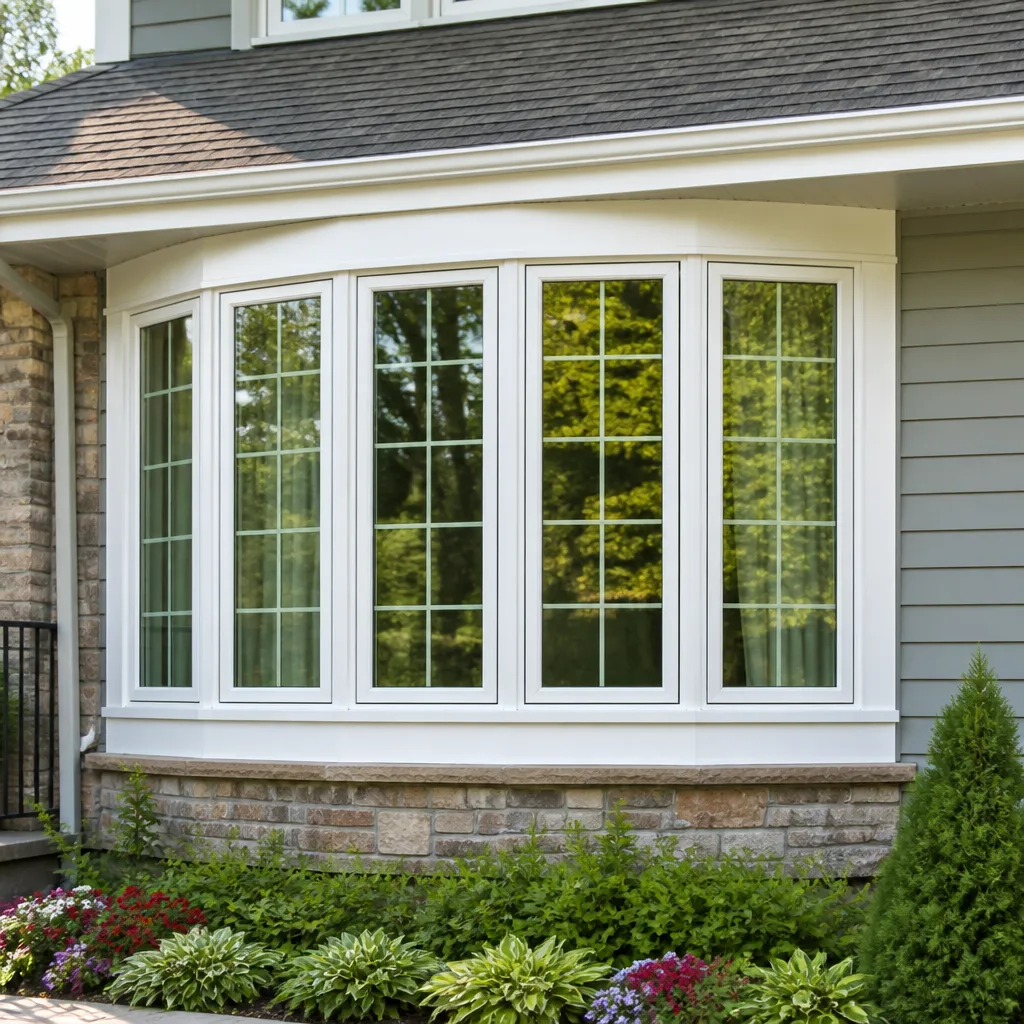
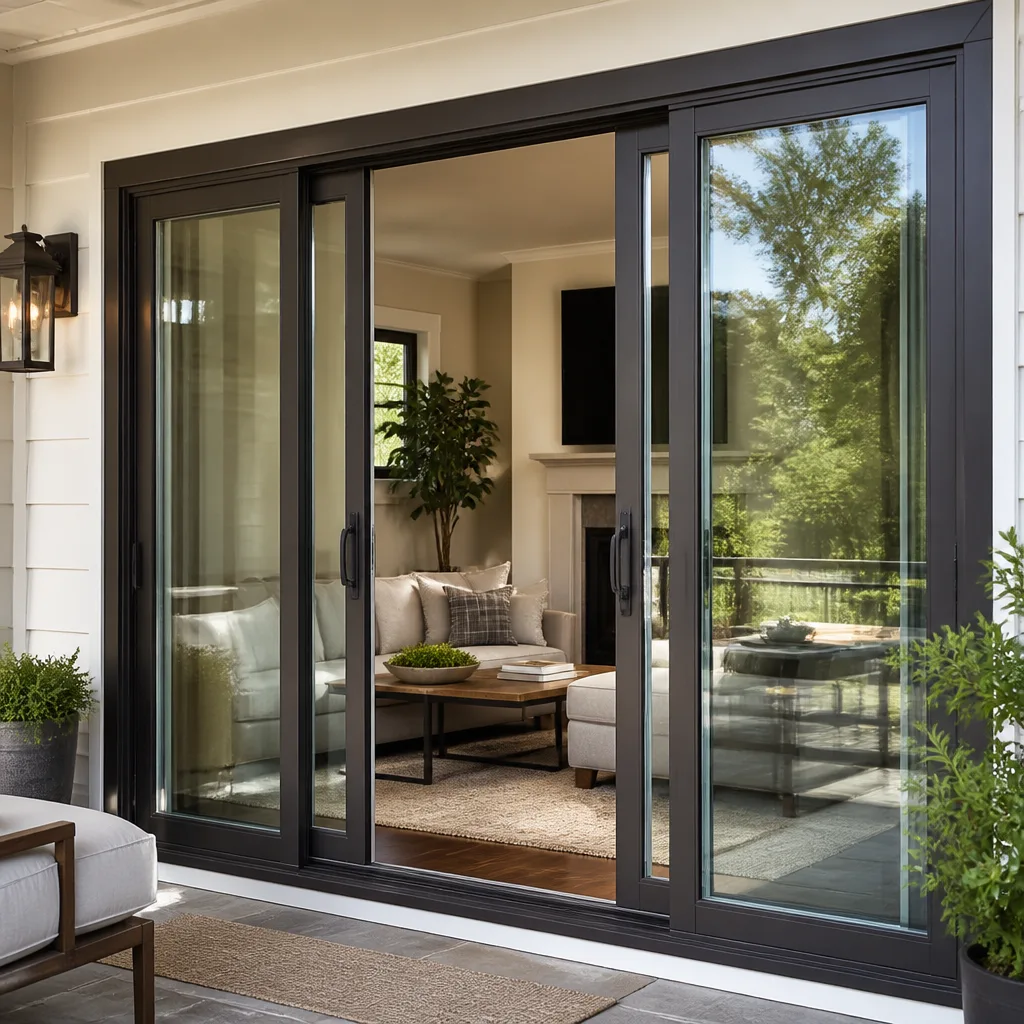
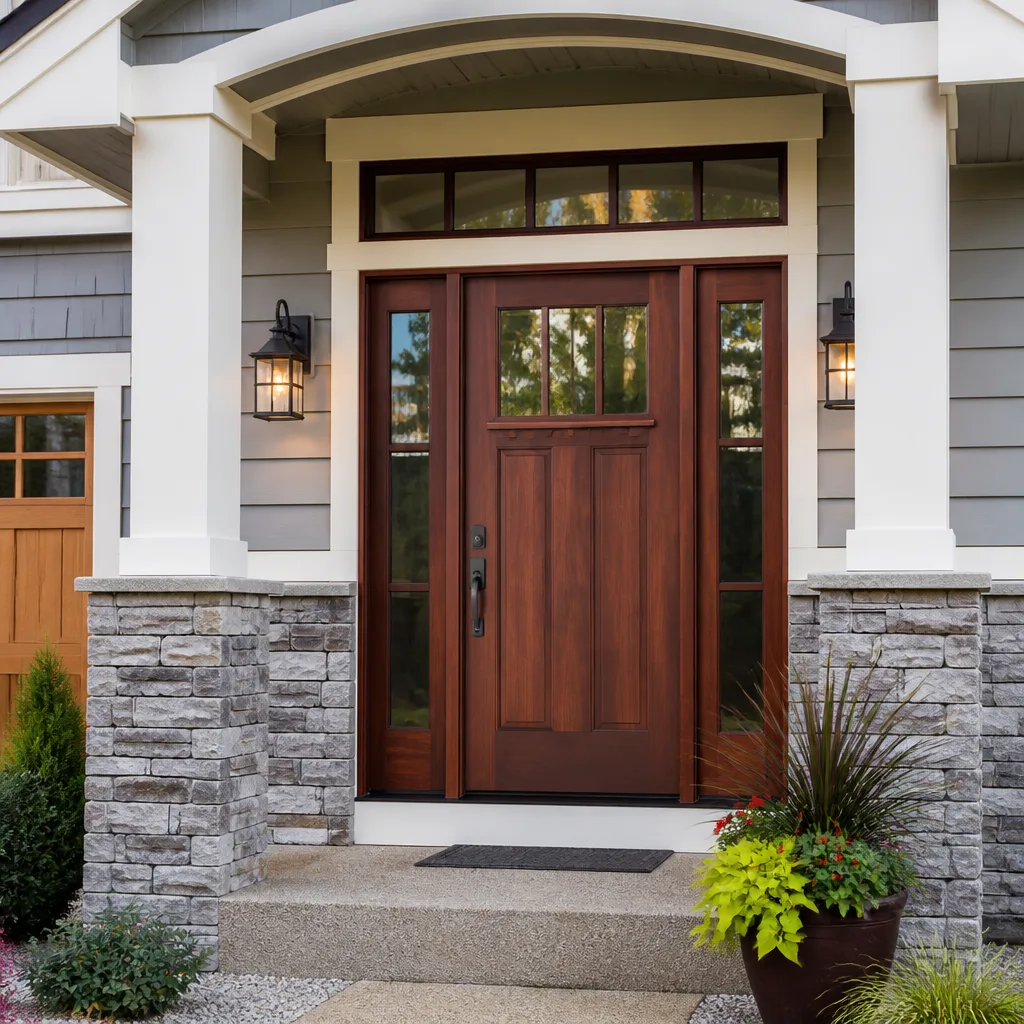
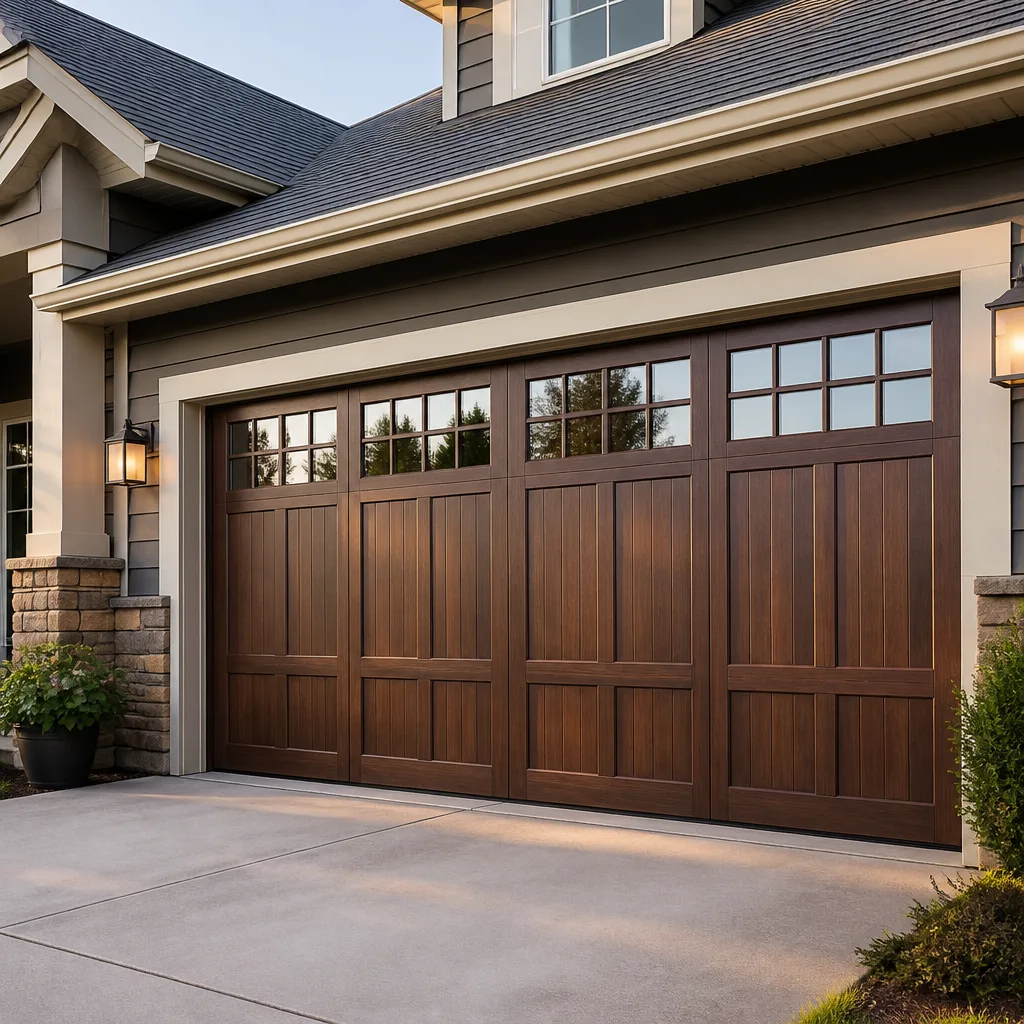
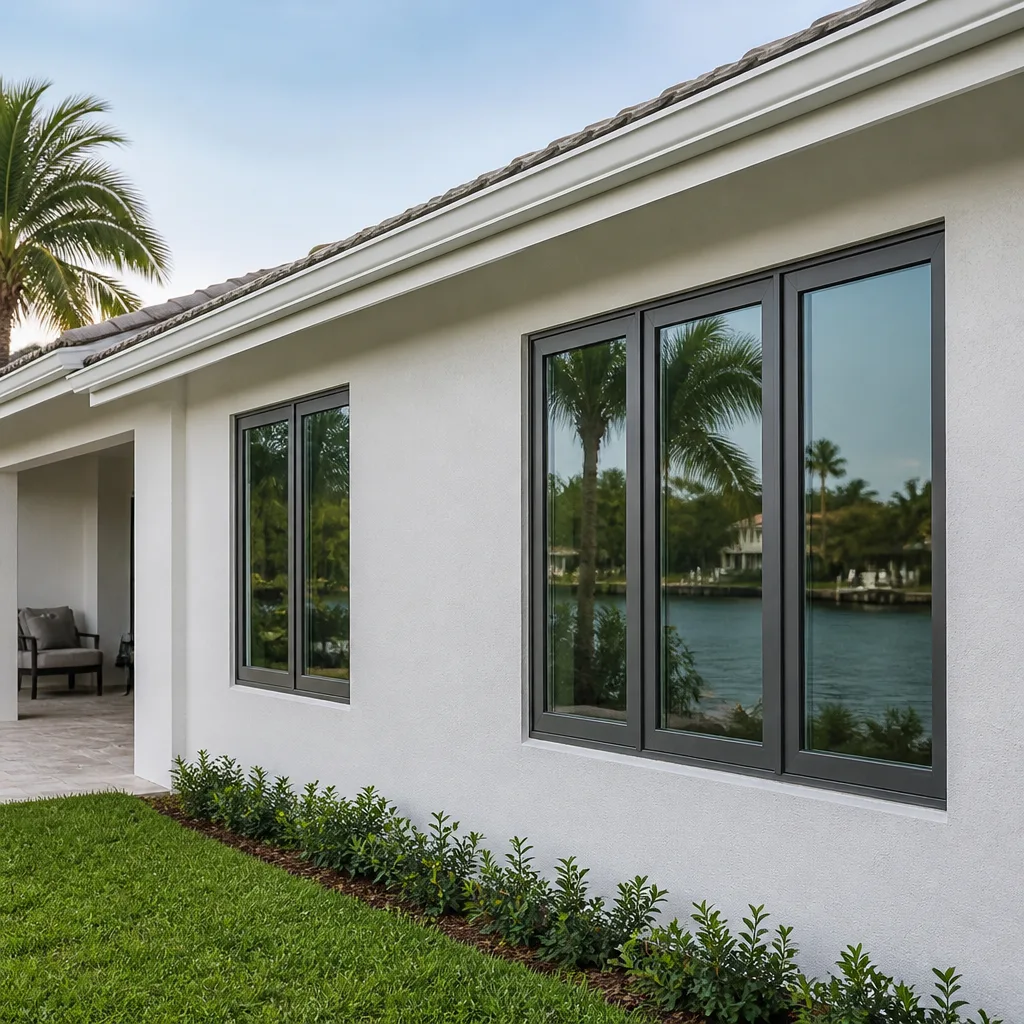
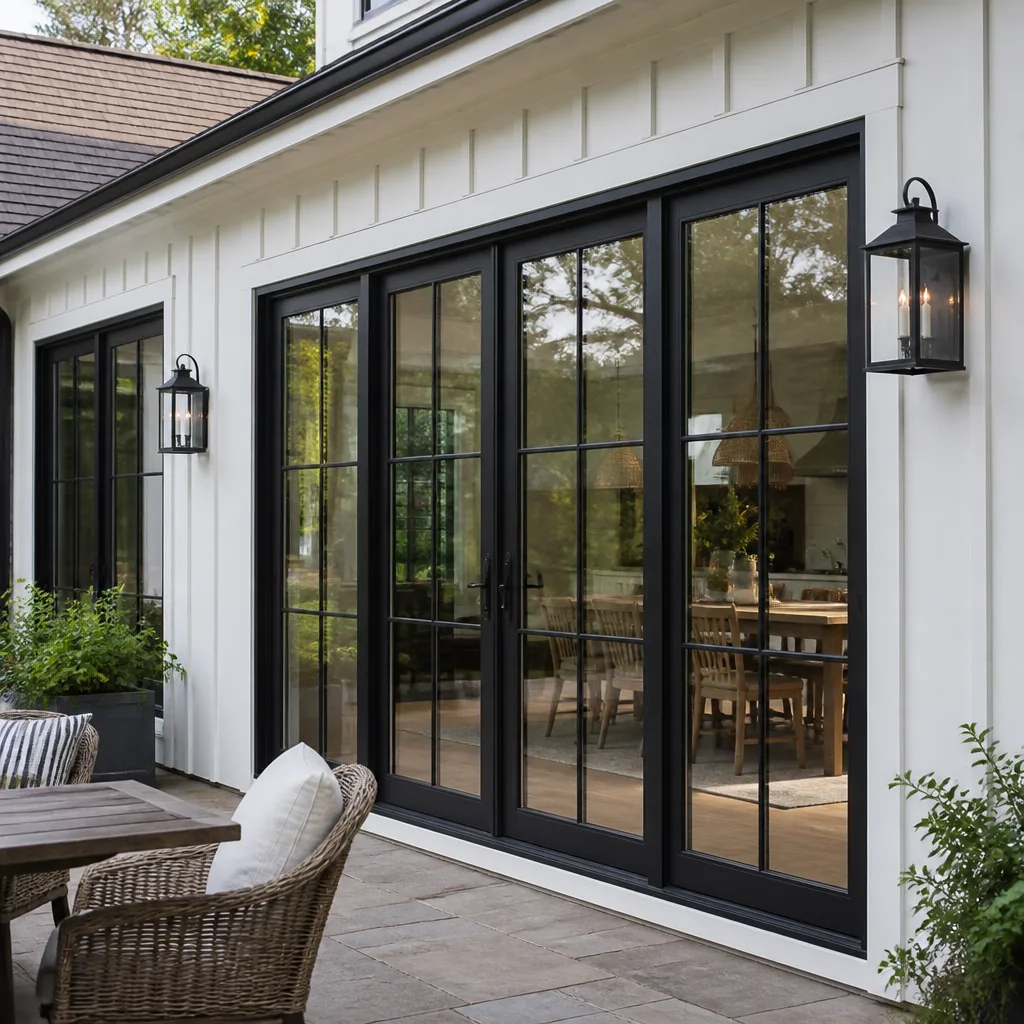
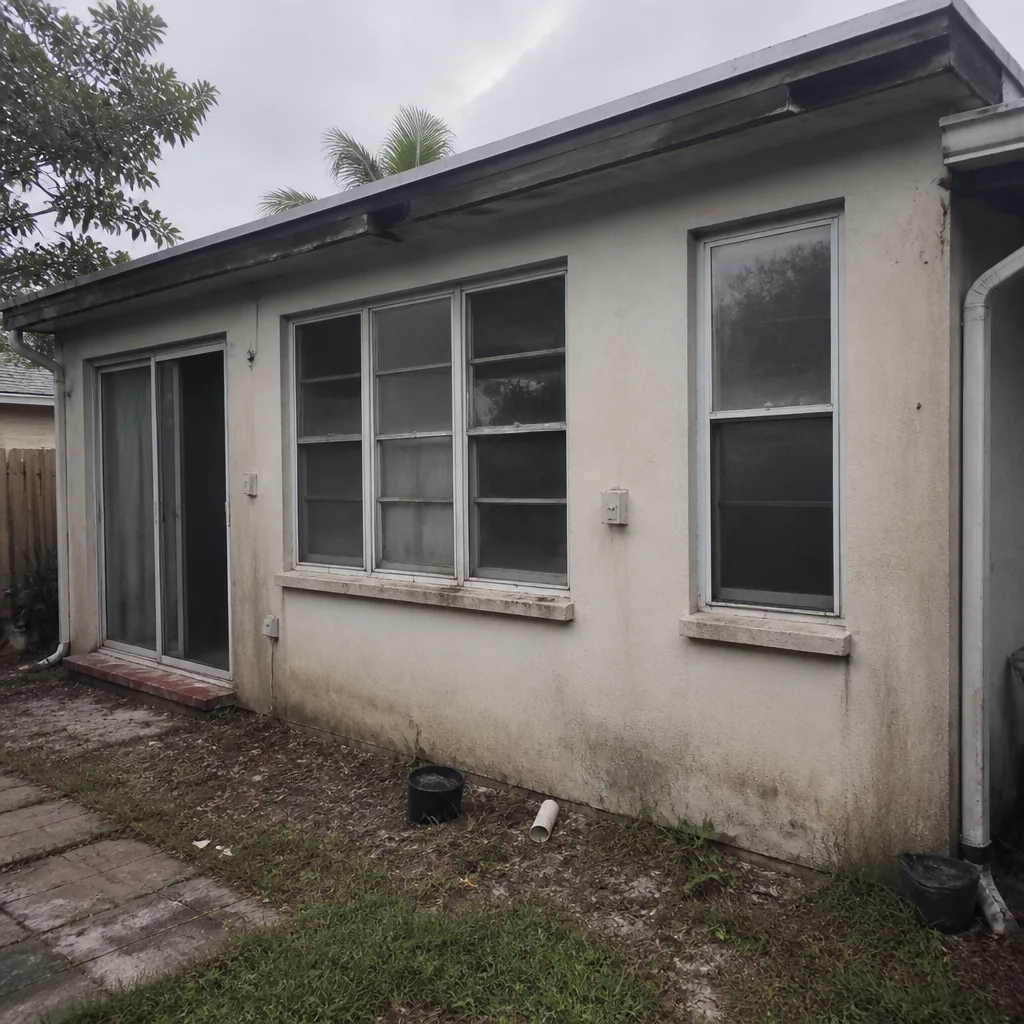 Before
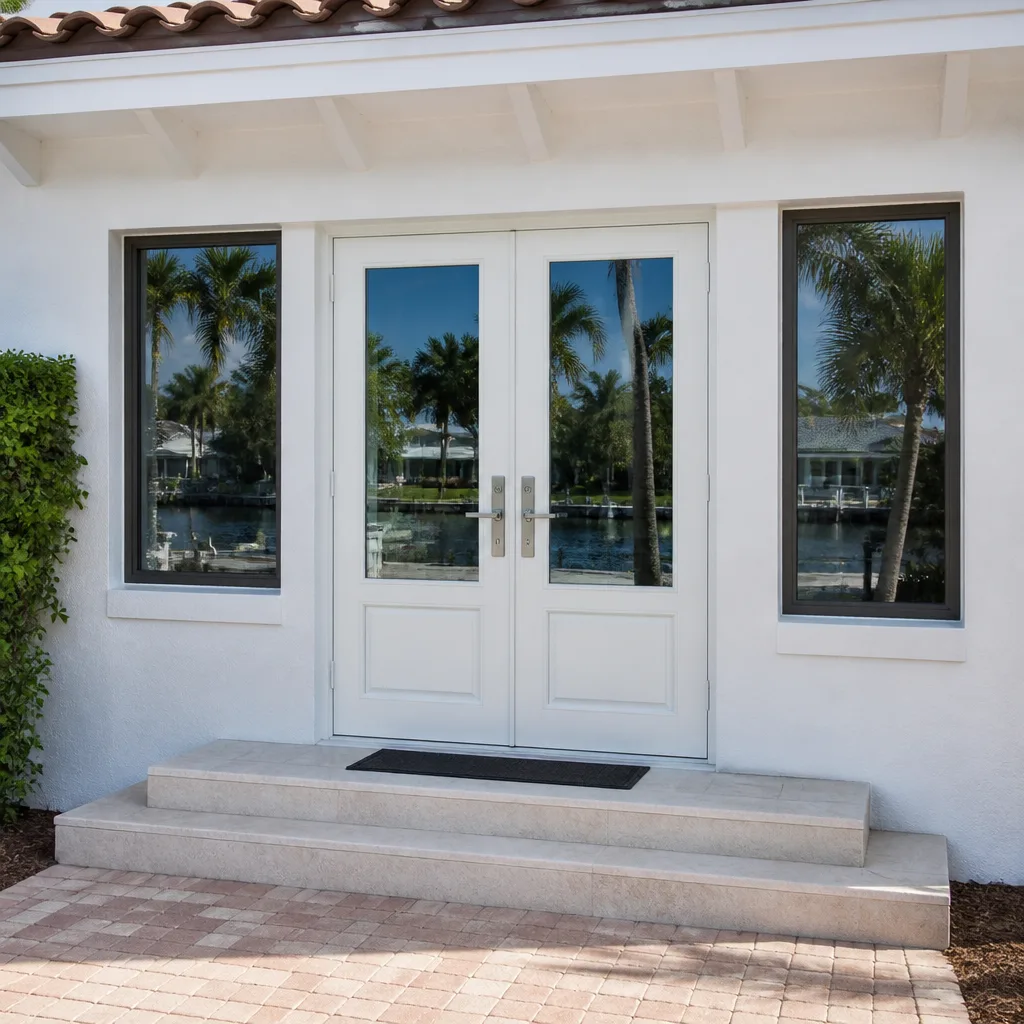 After
After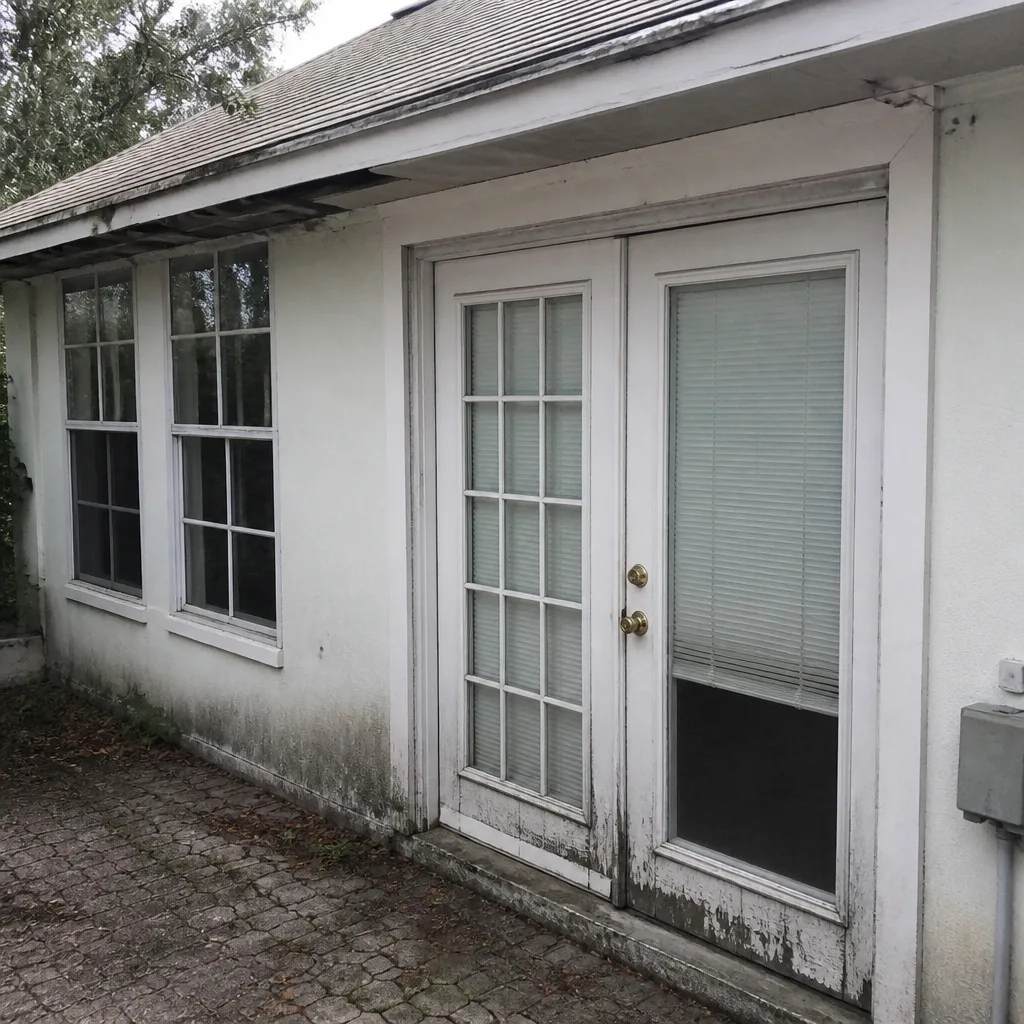 Before
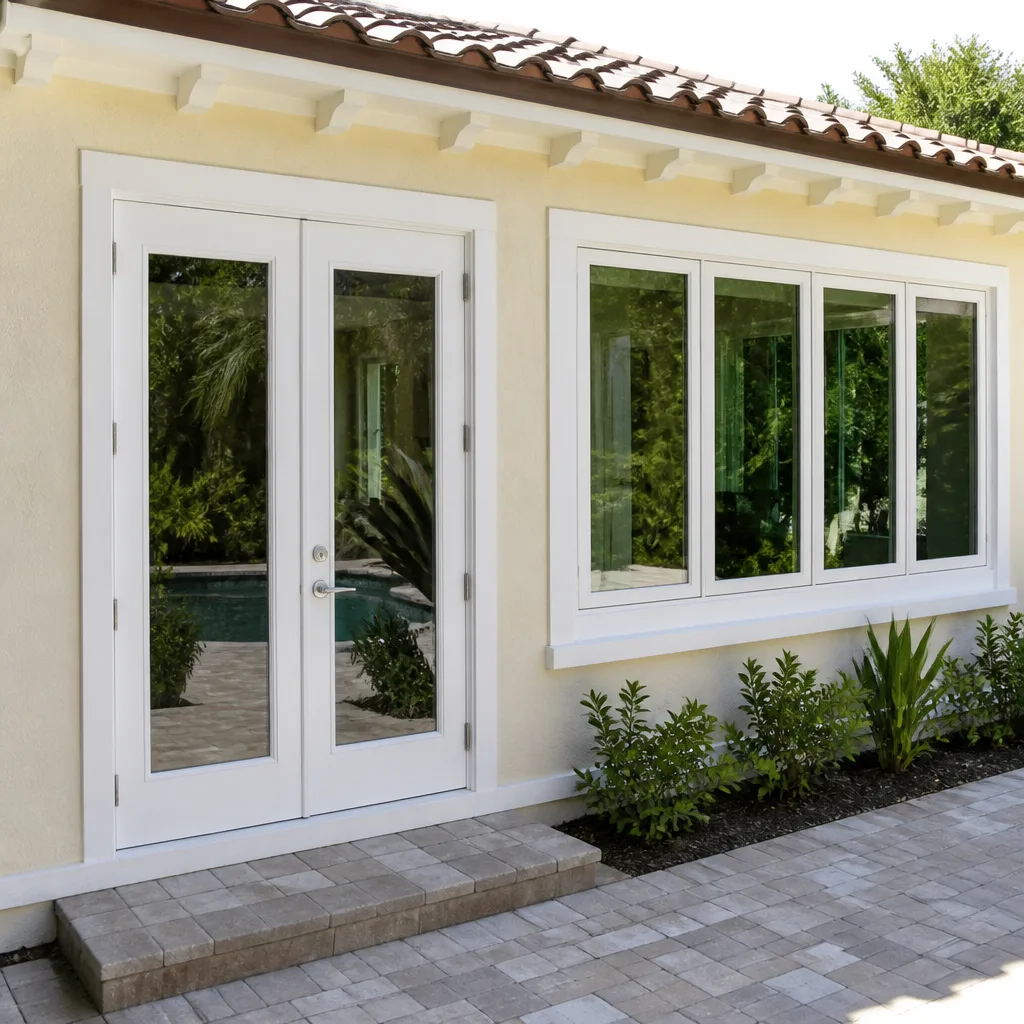 After
After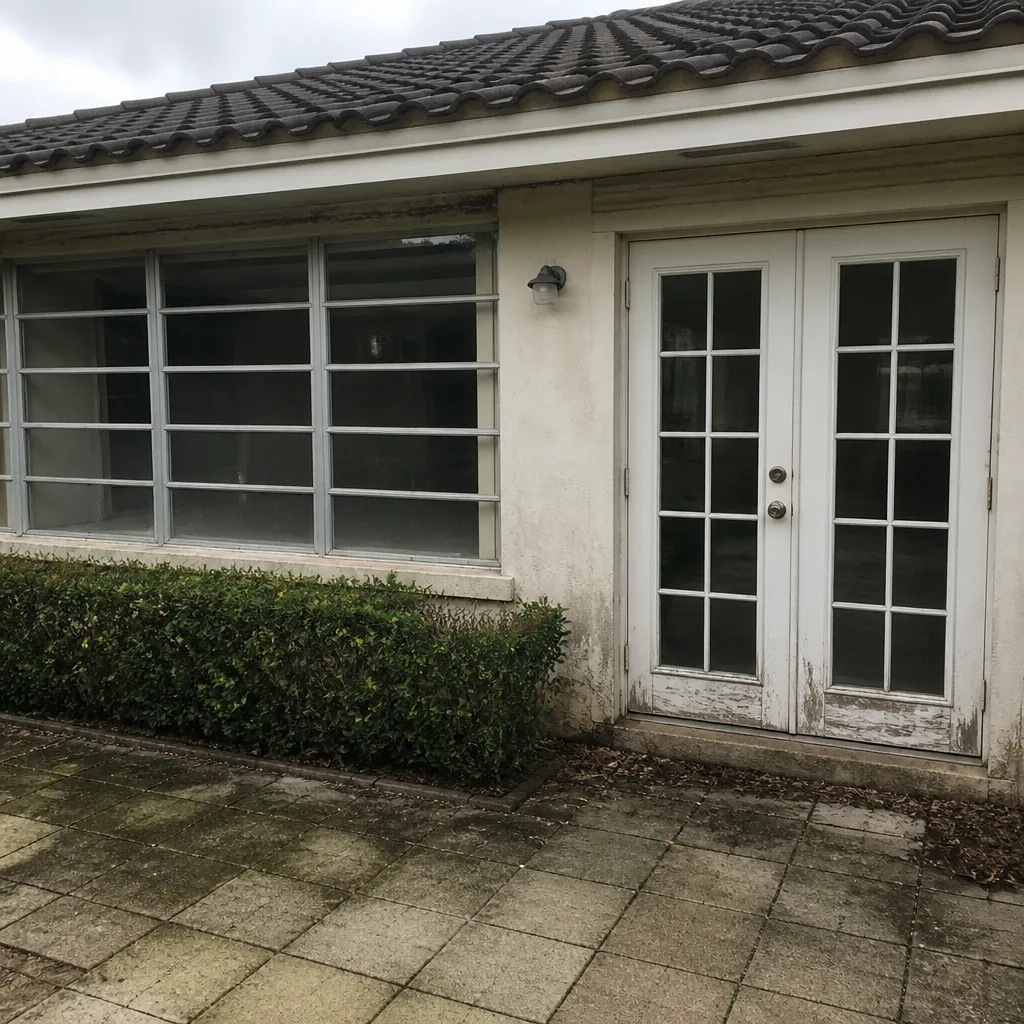 Before
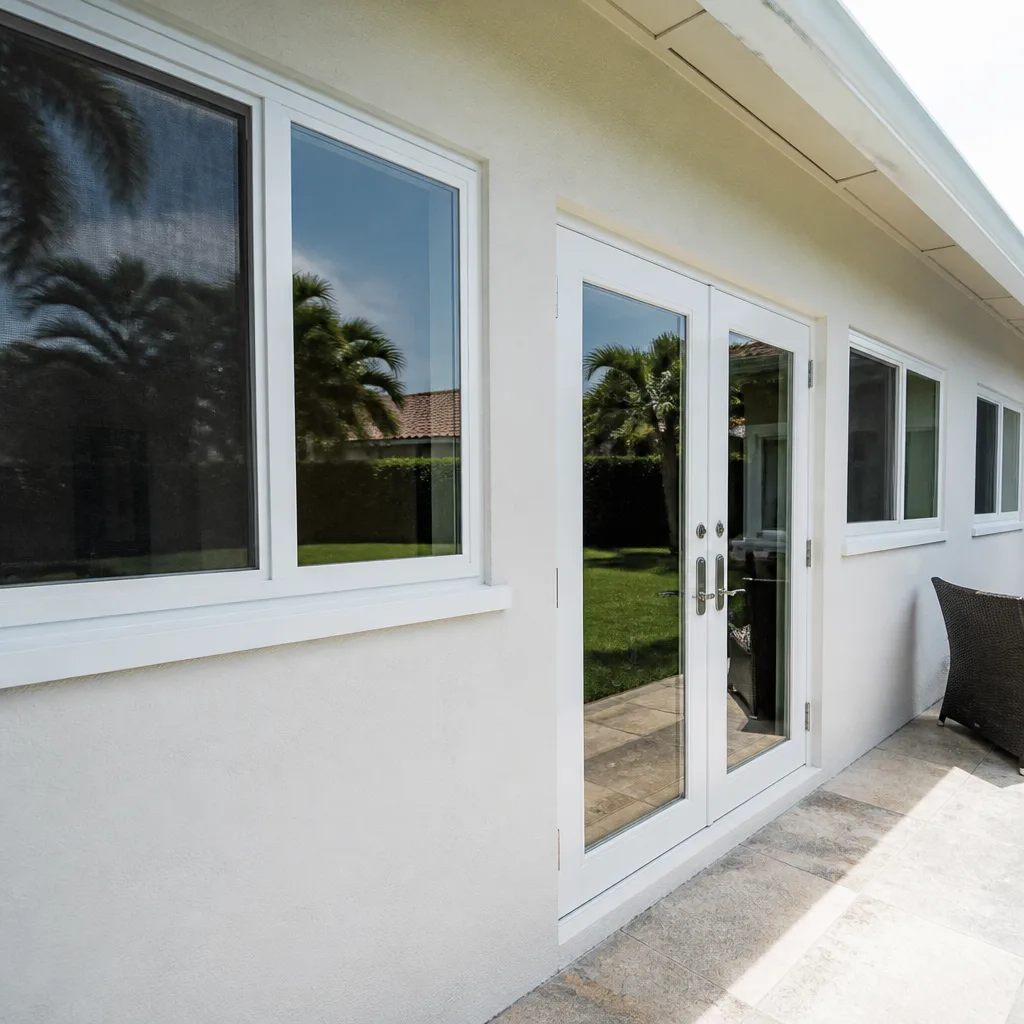 After
AfterDIY vs Professional Windows & Doors: The Lantana Homeowner’s Decision Guide
Most Lantana homeowners who ask us whether they should install their own windows have already watched the tutorial and priced the materials. What they haven’t done is read the back of the owner-builder permit form. Florida Statute 489.103(7) allows a homeowner to pull their own permit, but the sworn statement includes a clause that the property will not be sold for one year - a restriction that has unwound real estate transactions from Hypoluxo Island to the mainland when sellers discovered what they signed. This guide explains the legal framework first, then the tools, then the math that determines whether DIY actually saves money.
Quick Answer
DIY window and door installation in Lantana is legally possible only through Florida’s owner-builder permit exemption, which restricts resale for one year and exposes the homeowner to full liability for code compliance. For most window and door replacements, hiring a licensed contractor costs less than DIY when you account for permit access, HVHZ fastening requirements, and the documented cost of correcting a failed installation - which is why our guide to hiring a windows & doors contractor in Lantana covers the verification steps most homeowners skip.
Table of Contents
- Permit Eligibility: What Florida Law Actually Says
- Permit-Exempt Tasks vs. Permitted Work
- HVHZ Installation: What DIY Resources Don’t Publish
- Honest Cost Breakdown: DIY vs. Professional
- The Real Break-Even Point
- Common Mistakes to Avoid
- When to Call a Professional
- Frequently Asked Questions
BeforeAfterPermit Eligibility: What Florida Law Actually Says
The owner-builder exemption in Florida Statute 489.103(7) sounds straightforward on the surface. A homeowner can act as their own contractor for construction on their own home. The exemption appears on permit applications across Palm Beach County, including the Sightline Windows & Doors Lantana home territory we serve daily.
What most DIY guides omit is the full text of the sworn statement. When a homeowner signs as owner-builder, they certify under penalty of perjury that:
- The home is their primary residence and they intend to occupy it.
- The home will not be offered for sale within one year of permit final inspection.
- They understand that workers’ compensation and liability for job-site injuries fall entirely to them, not to a licensed contractor’s policy.
- They will disclose the owner-builder status to any subsequent buyer if the home is sold within three years.
The one-year resale restriction has practical consequences in Lantana’s active market. Homes near the Intracoastal and in the Hypoluxo Island area turn over frequently. A homeowner who installs impact windows in March and receives a job transfer in November cannot legally sell the home until the restriction period expires, unless they obtain a release from the building department - a process that requires documentation of hardship and offers no guarantee.
The disclosure requirement runs three years. Even after the one-year restriction lifts, a subsequent sale within that window requires the owner-builder to inform buyers that the work was not performed by a licensed contractor. This disclosure affects insurance underwriting, mortgage approvals, and negotiation leverage.
We’ve reviewed owner-builder permits pulled in Lantana where the homeowner understood the exemption as “I can do my own work.” The legal exposure is broader than that. The homeowner becomes the general contractor of record, responsible for code compliance, inspection scheduling, and correction of any defects - not merely the person who operated the tools.
Permit-Exempt Tasks vs. Permitted Work
Not every window or door task requires a permit. Understanding the boundary saves time and clarifies where DIY is genuinely unrestricted versus where it triggers the owner-builder framework.
Permit-exempt tasks in Lantana and Palm Beach County include:
- Weatherstripping replacement - swapping compression seals, V-strip, or bulb seals on existing frames without altering the frame itself.
- Hardware replacement - locks, latches, hinges, and operators on existing windows and doors, provided the hardware is not part of a fire-rated assembly.
- Single pane replacement in kind - removing and replacing one broken pane with identical thickness and type, without changing the glazing method or the frame’s structural integrity.
- Screen repair and replacement - rescreening or frame replacement on non-structural screen assemblies.
Work that requires a permit regardless of who performs it:
- Full window or door unit replacement - any removal of the existing frame and installation of a new unit, including like-for-like replacement.
- Changes to opening dimensions - widening, narrowing, raising, or lowering the rough opening.
- Conversion between window types - replacing a fixed picture window with an operable casement, for example, which changes egress and ventilation requirements.
- Impact-rated installation or replacement - any work involving products carrying a Miami-Dade Notice of Acceptance (NOA) or Florida Product Approval.
- Exterior door replacement - including patio doors, sliding glass doors, and entry doors, all of which affect egress, security, and HVHZ envelope integrity.
The distinction matters because Lantana sits in the High-Velocity Hurricane Zone (HVHZ). Palm Beach County enforces HVHZ standards for all exterior openings. A homeowner replacing a non-impact window with an impact-rated PGT or CGI unit - common upgrades in Lantana’s older stock, particularly in neighborhoods east of Dixie Highway - triggers full permit and inspection requirements, not merely product selection, making seasonal windows & doors care especially important for preserving these investments.
We’ve measured surveys in Lantana where the homeowner assumed permit-exempt status for what was legally a full replacement. The measured survey we provide under Haven Clause 1 documents the existing condition precisely so the permit requirement is clear before any work is priced.
HVHZ Installation: What DIY Resources Don’t Publish
The gap between consumer DIY content and actual HVHZ installation standards is substantial. Most online tutorials demonstrate installation in non-hurricane climates, where fastening schedules and sealant sequences are less rigorous. Lantana’s location in Palm Beach County means every exterior window and door installation must comply with Miami-Dade NOA requirements or Florida Product Approval with HVHZ ratings.
What this means in practice:
- Fastener schedule by substrate - Wood framing requires #8 or #10 corrosion-resistant screws at specified spacing, typically 6 inches on center at jambs and 4 inches on center at the sill, with minimum embedment into structural framing. Concrete or masonry substrates require Tapcon-style anchors or powder-actuated fasteners with minimum embedment depths that vary by anchor diameter and substrate density. The exact schedule is specified in the product’s NOA document, not in the box.
- Buck-and-seal sequence - The window frame (buck) must be set plumb, level, and square within the rough opening with continuous shimming at specified intervals. The sealant sequence requires backer rod and specified sealant at the interior, with a separate approved sealant at the exterior, creating a drainage plane that directs water to the exterior. Reversing the sequence or using non-approved sealants voids the NOA and the warranty.
- Flashing integration - Pan flashing at the sill, jamb flashing extending to the head, and head flashing lapped over the jamb flashing in shingle fashion. The sequence is specified; skipping steps or substituting materials not listed in the NOA creates a code violation.
- Impact-rated anchoring - Impact windows and doors from manufacturers like PGT and CGI require specific anchor types, locations, and torques that differ from non-impact products. The NOA specifies whether anchors penetrate the frame or use clip systems, and whether supplemental reinforcement is required at the header.
None of this information appears in consumer-facing installation videos. The NOA documents are public but technical, written for licensed contractors who have pulled the permit and are scheduling inspection. A homeowner acting as owner-builder can access these documents, but interpreting them correctly requires familiarity with construction terminology, fastener specifications, and inspection criteria.
We’ve corrected installations in Lantana where the homeowner followed a generic tutorial, used the fasteners that came in the box, and passed initial inspection - only to have the sealant fail at the first significant rain event because the backer rod was omitted and the sealant depth exceeded the manufacturer’s specification. The correction required removal of the window, repair of water-damaged framing, and re-installation. The cost exceeded professional installation by a substantial margin.
Honest Cost Breakdown: DIY vs. Professional
Pricing window and door installation requires separating product cost from labor, permit fees, tool acquisition, and the cost of failure. Our window installation maintenance checklist for Lantana homeowners covers the ongoing items, but here’s the actual math for a typical Lantana home.
DIY Cost Components
| Item | Typical Range | Notes |
|---|---|---|
| Window or door unit (mid-grade vinyl or aluminum) | $400-$1,200 per opening | Impact-rated units add 40-60%; PGT and CGI fall in this range for standard sizes |
| Permit fees (Palm Beach County) | $150-$400 | Varies by project scope; owner-builder pays same as contractor |
| Tools and materials (shims, fasteners, sealants, flashing) | $200-$500 initial; $50-$100 per opening ongoing | Assumes purchase of level, drill, bits, caulk gun, utility items |
| Dumpster or debris disposal | $150-$300 | Required for full-frame replacement; bagster alternative available |
| Inspection re-check fees | $50-$150 per re-inspection | Common for first-time owner-builders; not all inspections pass first attempt |
Professional Installation Cost Components
| Item | Typical Range | Notes |
|---|---|---|
| Total installed price (unit + labor + permit) | $800-$2,400 per opening | Varies by size, type, and impact rating; Window Installation in Lantana pricing is written before work starts |
| Permit fees | Included in total | Contractor pulls permit as part of scope; no separate homeowner action |
| Waste disposal | Included in total | Standard on professional jobs |
| Inspection scheduling and re-checks | Included in total | Contractor manages all inspection logistics |
| Workmanship warranty | Included in total | Sightline’s 365-Day Done Right Promise covers correction at no charge |
The Hidden Cost: Failed Installation Correction
We track correction jobs separately from standard installations. A failed DIY installation that requires removal, reframing repair, and re-installation typically runs:
- $600-$1,200 per opening for labor alone (removal, frame repair, re-install)
- $200-$800 for damaged framing materials and insulation replacement
- $400-$1,200 for replacement window or door unit if the original was damaged during removal
- Permit amendment or new permit fees if the original permit was closed or expired
Total correction cost: $1,200-$3,200 per opening, in addition to the original DIY expenditure. This is not theoretical. We’ve performed corrections in Lantana’s Palm Beach Heights and Lantana Heights neighborhoods where the homeowner’s initial “savings” became a net cost increase of 80-150% over professional installation.
The Real Break-Even Point
The break-even analysis changes when you account for permit access, HVHZ compliance, and failure risk. Here’s where the math actually shifts.
DIY is genuinely cost-advantageous when:
- The task is permit-exempt (weatherstripping, hardware, single pane in kind).
- The homeowner already owns the required tools and has competent helper labor available.
- The opening is standard size, square, and in good structural condition - no rot, no settlement, no out-of-plumb framing.
- The product is non-impact, non-egress, and does not require NOA-specified fastening.
- The homeowner has scheduled flexibility to manage inspection timing and re-checks.
Professional installation is cost-advantageous when:
- The work requires a permit - the contractor’s permit access eliminates owner-builder liability and resale restrictions.
- The product is impact-rated or HVHZ-compliant - the fastening schedule and sealant sequence require trade knowledge.
- The opening requires reframing, sill repair, or structural correction - speed and experience reduce labor hours substantially.
- Multiple openings are involved - crew efficiency and material ordering at scale reduce per-opening cost.
- The homeowner’s time has value - inspection management, correction of failed inspections, and warranty administration consume hours that most homeowners underestimate.
The threshold is lower than most homeowners assume. For a typical Lantana home with 8-12 windows requiring replacement, the professional installation price often breaks even with DIY at 3-4 openings when you account for tool costs, permit management time, and realistic failure rates. At 6+ openings, professional installation is typically less expensive due to crew efficiency and bulk material pricing.
We provide Window Replacement in Lantana quotes that itemize unit cost, labor, and permit fees separately so homeowners can see exactly where the money goes. The measured survey we leave with the customer documents every opening’s condition, so the quote reflects actual requirements rather than assumptions.
Common Mistakes to Avoid
- Assuming the big-box associate’s advice substitutes for code knowledge. Retail staff are trained on product features, not Palm Beach County HVHZ amendments or Miami-Dade NOA fastening schedules. We’ve corrected installations where the recommended fasteners were incorrect for the substrate.
- Pulling an owner-builder permit without reading the resale restriction. The one-year clause is binding. In Lantana’s mobile market, particularly for properties near the water, a job transfer or family change can force a sale that the permit restriction blocks.
- Using non-approved sealants to save $8 per tube. The NOA specifies sealant by manufacturer and product line. Substituting a generic polyurethane for the specified neutral-cure silicone creates a warranty void and a code violation that inspectors flag routinely.
- Skipping the pan flashing. Lantana’s rain exposure is substantial, and wind-driven rain at the sill is the most common failure point we document in correction jobs. The pan flashing step adds 15 minutes and $12 in materials; omitting it risks thousands in frame repair.
- Measuring the existing frame rather than the rough opening. Window size is ordered by rough opening dimensions, not by the old window’s frame size. A frame that measures 35.5 inches may require a 36-inch unit or a 34.5-inch unit depending on manufacturer and installation method. Wrong-size orders are non-returnable custom orders.
- Ignoring the inspection sequence. Palm Beach County requires rough inspection before final inspection for most window replacements. Scheduling final without rough approval fails the inspection and triggers re-check fees. The sequence is not optional.
- Assuming all impact windows install identically. PGT, CGI, and other manufacturers each have distinct NOA documents with different fastening schedules. Using CGI’s anchor pattern on a PGT unit fails inspection even if both are impact-rated.
When to Call a Professional
Call a licensed contractor when the work requires a permit, involves impact-rated products, or affects the structural envelope. This covers most window and door replacements in Lantana due to HVHZ requirements.
Specific scenarios:
- Any full window or door unit replacement in a home built before 2002, when Florida’s post-Andrew code changes took full effect - older framing and flashing details rarely match current standards.
- Impact-rated upgrades for insurance mitigation credits - the installation must pass inspection to qualify for premium reductions, and documentation requirements are strict.
- Conversions between operable and fixed units, which change egress calculations and ventilation requirements.
- Doors opening to pool enclosures or lanais, where the threshold detail affects both water management and child safety barrier compliance.
- Any opening showing frame rot, termite damage, or settlement cracking - these require structural assessment before window selection.
Sightline Windows & Doors Lantana offers free estimates in Lantana. We review competitor quotes at no charge - bring any written estimate and we’ll itemize where the scope, materials, or methods differ from what your opening requires. Call (561) 461-2062 to schedule. Every estimate includes the measured survey you keep, and the written price cannot differ from that document.
Frequently Asked Questions
Professional installation in Lantana typically ranges from $800-$2,400 per opening including unit, labor, permit, and disposal, while DIY material costs run $400-$1,200 per opening plus permit fees, tools, and your time. When you account for the cost of correcting failed installations - which averages $1,200-$3,200 per opening - professional installation is often less expensive for projects involving more than 3-4 windows. Call (561) 461-2062 for a written estimate on your specific openings.
Yes, through Florida’s owner-builder exemption, but you must pull the permit yourself and sign a sworn statement that the home will not be sold for one year and that you assume full liability for code compliance and job-site injuries. The exemption does not apply to rental properties, second homes, or homes you do not intend to occupy as your primary residence. Most Lantana homeowners find the legal exposure and resale restriction outweigh the potential savings.
Permit-exempt tasks include weatherstripping replacement, hardware replacement, single pane replacement in kind, and screen repair. Any full unit replacement, change to opening dimensions, conversion between window types, or impact-rated installation requires a permit regardless of who performs the work. Palm Beach County enforces these requirements consistently; unpermitted work discovered at sale triggers disclosure obligations and potential correction orders.
No. Haven Clause 1 states that the measured survey and the written quote are the same document. We leave the measured survey with you, and the price on that document is the price on the final invoice. The only circumstance that changes the price is a change you request in scope or product selection after signing. We do not use allowances, estimates, or “plus materials” pricing.
Yes. We pull all required permits as part of our standard scope, schedule all inspections, and manage any re-checks at no additional charge. The permit fees are itemized in your written quote so you see exactly what the county charges versus what our work costs. You do not visit the building department or manage inspector scheduling.
A standard vinyl or aluminum window replacement in a sound frame takes 2-4 hours per opening for our crew, with full-home projects of 8-12 windows typically completed in 1-2 days depending on inspection scheduling. Impact-rated units or openings requiring reframing add time. We specify the schedule in writing before work begins, and Haven Clause 2 requires arrival on that schedule or advance notification.
The Bottom Line
The DIY-versus-professional question for Lantana windows and doors is settled by permit law before it is settled by skill or budget. Florida’s owner-builder exemption imposes resale restrictions and liability exposures that most homeowners do not anticipate. For the permit-exempt tasks - weatherstripping, hardware, single pane replacement - DIY is genuinely unrestricted and often cost-effective, and you can find more guides & resources on our blog for those smaller projects. For full unit replacements, impact-rated installations, and any work affecting the structural envelope, professional installation is typically less expensive when you account for permit management, HVHZ compliance, and the documented cost of correction.
The decision is not about whether you can operate the tools. It is about whether the savings survive the permit requirements, the fastening schedules that aren’t in the tutorial, and the inspection criteria that aren’t in the box.
Call (561) 461-2062 to schedule your free estimate. We’ll measure every opening, leave you the documented survey, and provide a written price that does not change. If you have a competitor’s quote, we’ll review it at no charge and show you where the scope or specifications differ.
Written by Sonia Raman, Owner at Sightline Windows & Doors Lantana, serving Lantana since 2012.