
Last updated September 24, 2026
Free in-home measure and quote - PGT, CGI and CWS impact lines compared on your actual openings, style by style
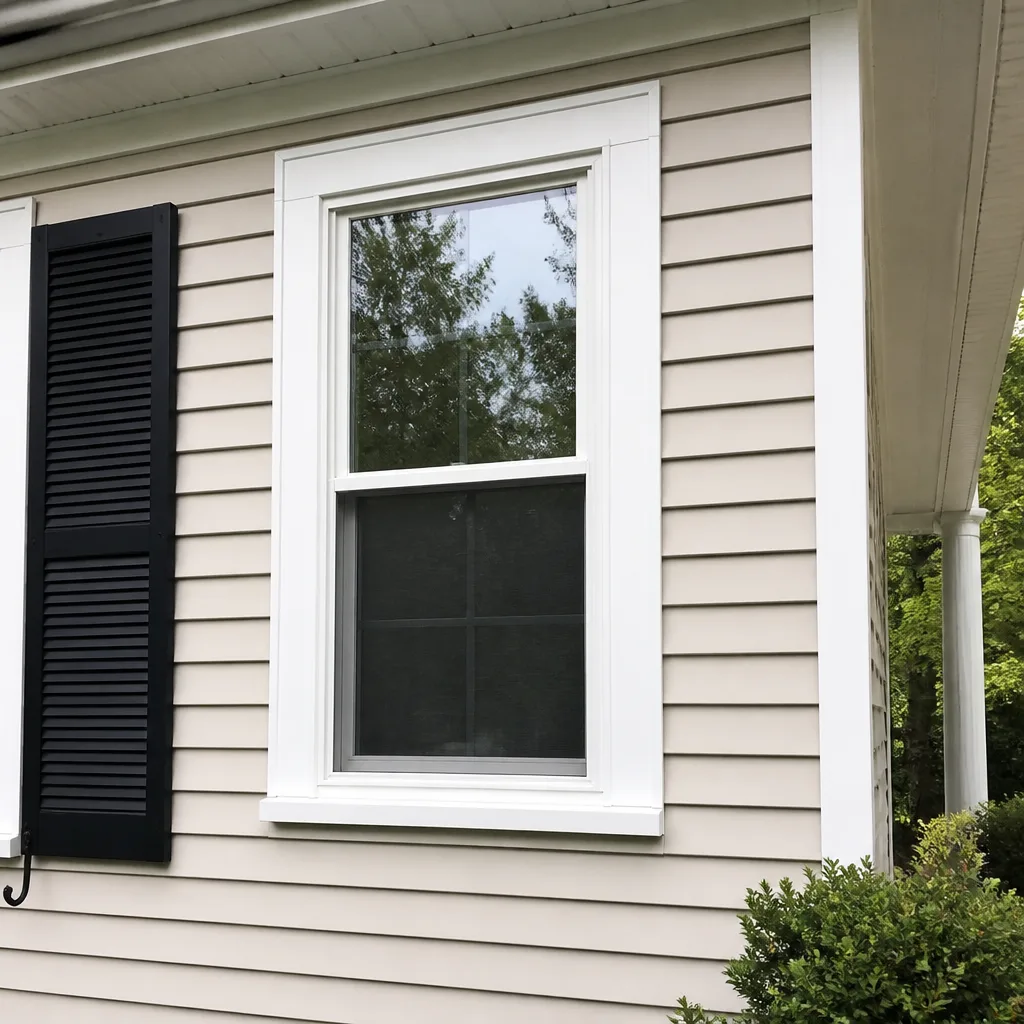
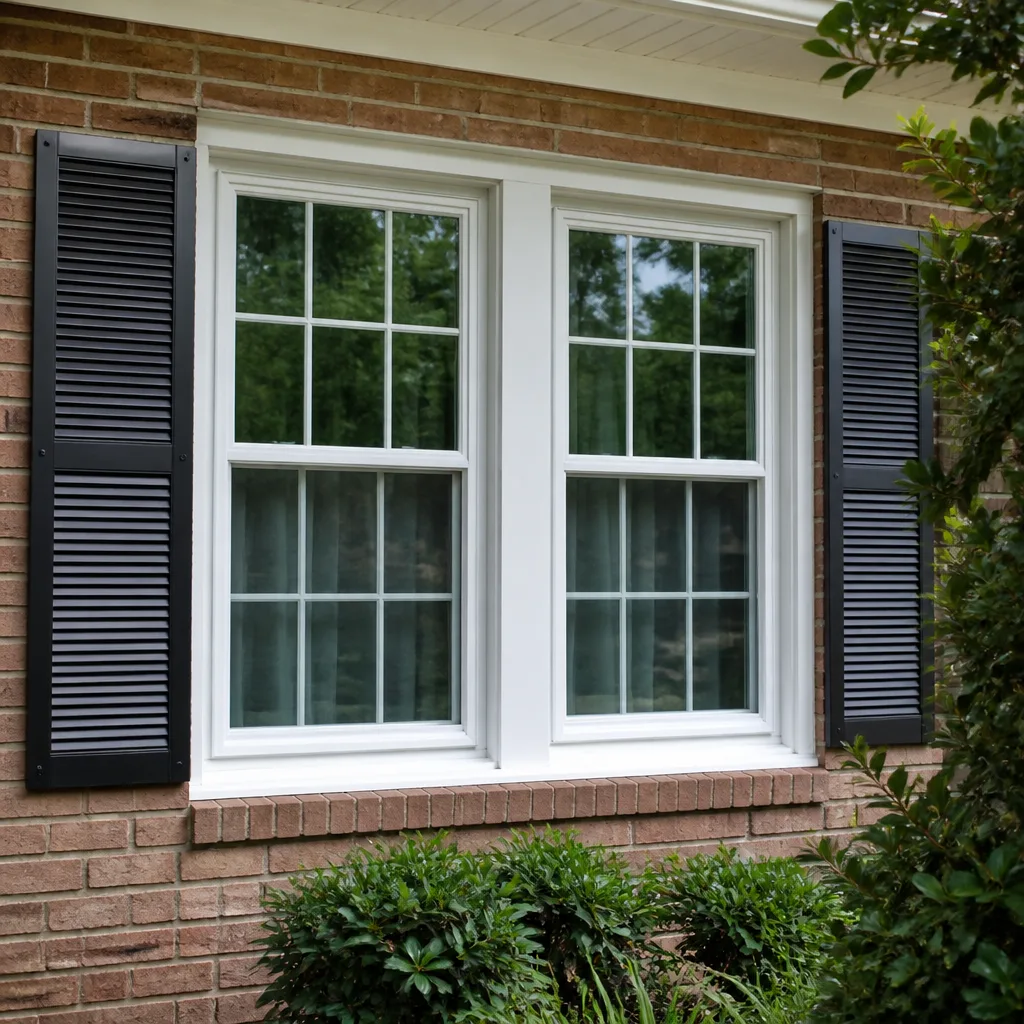
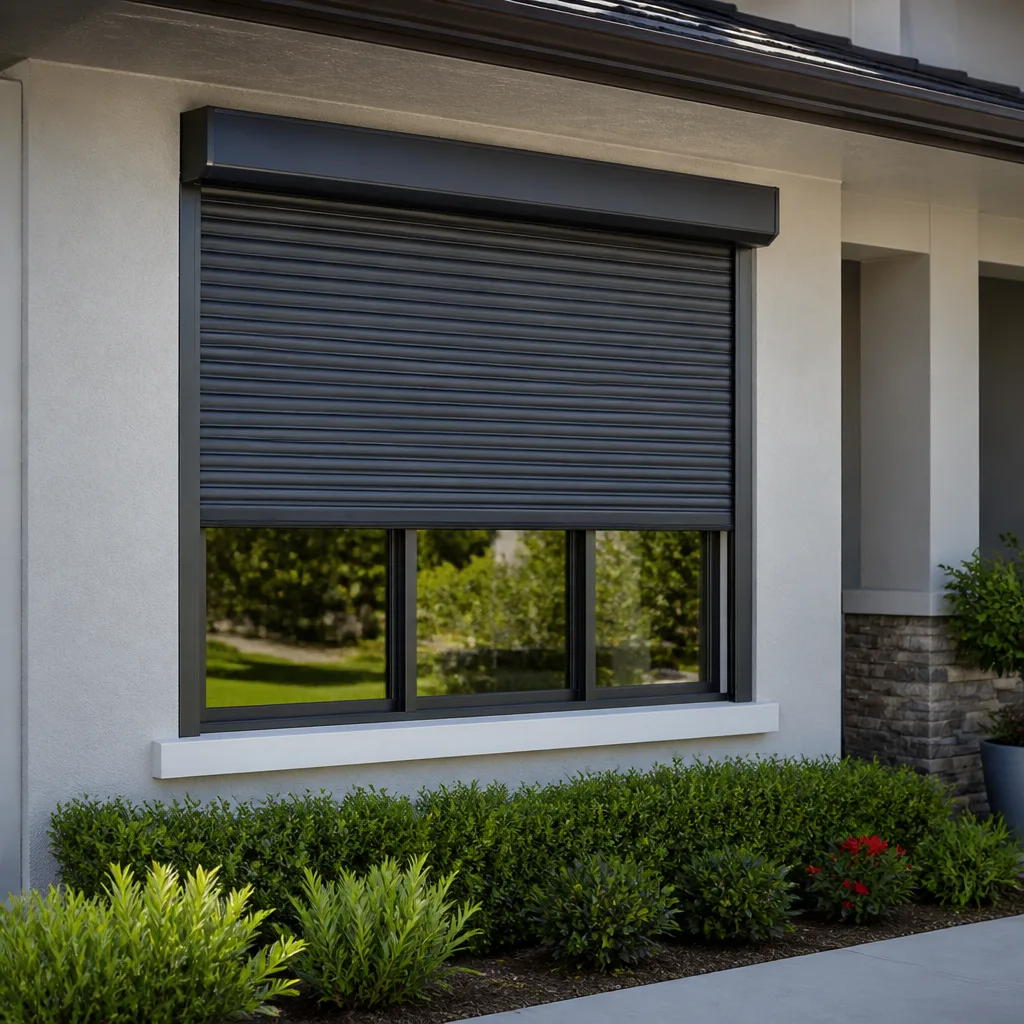
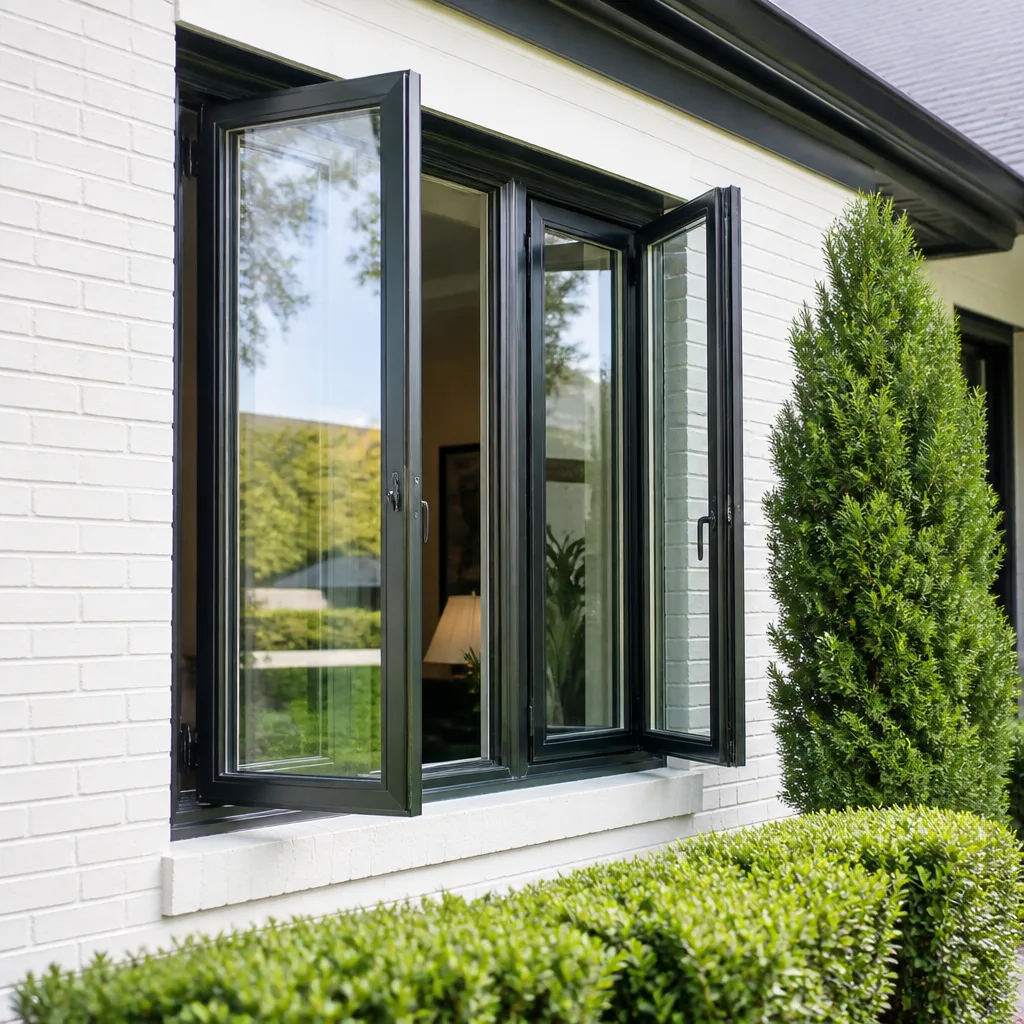
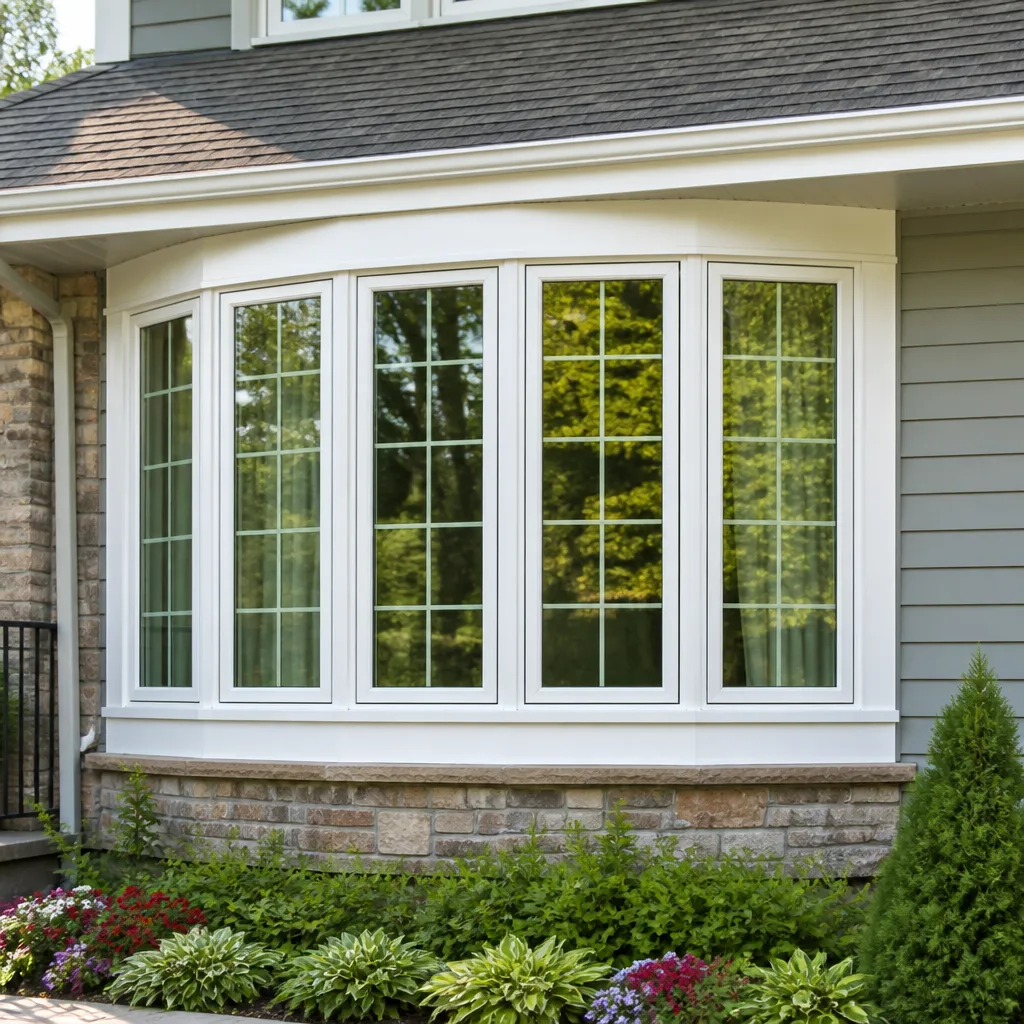
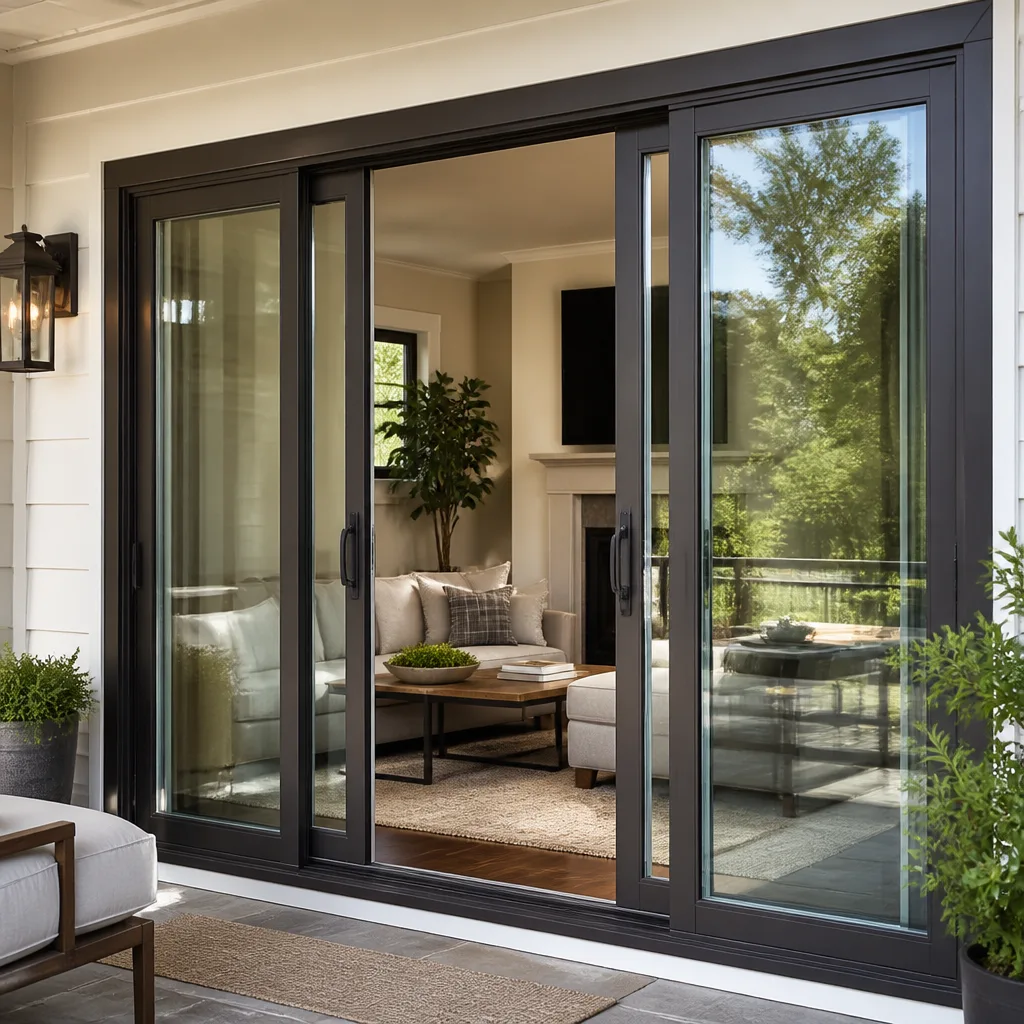
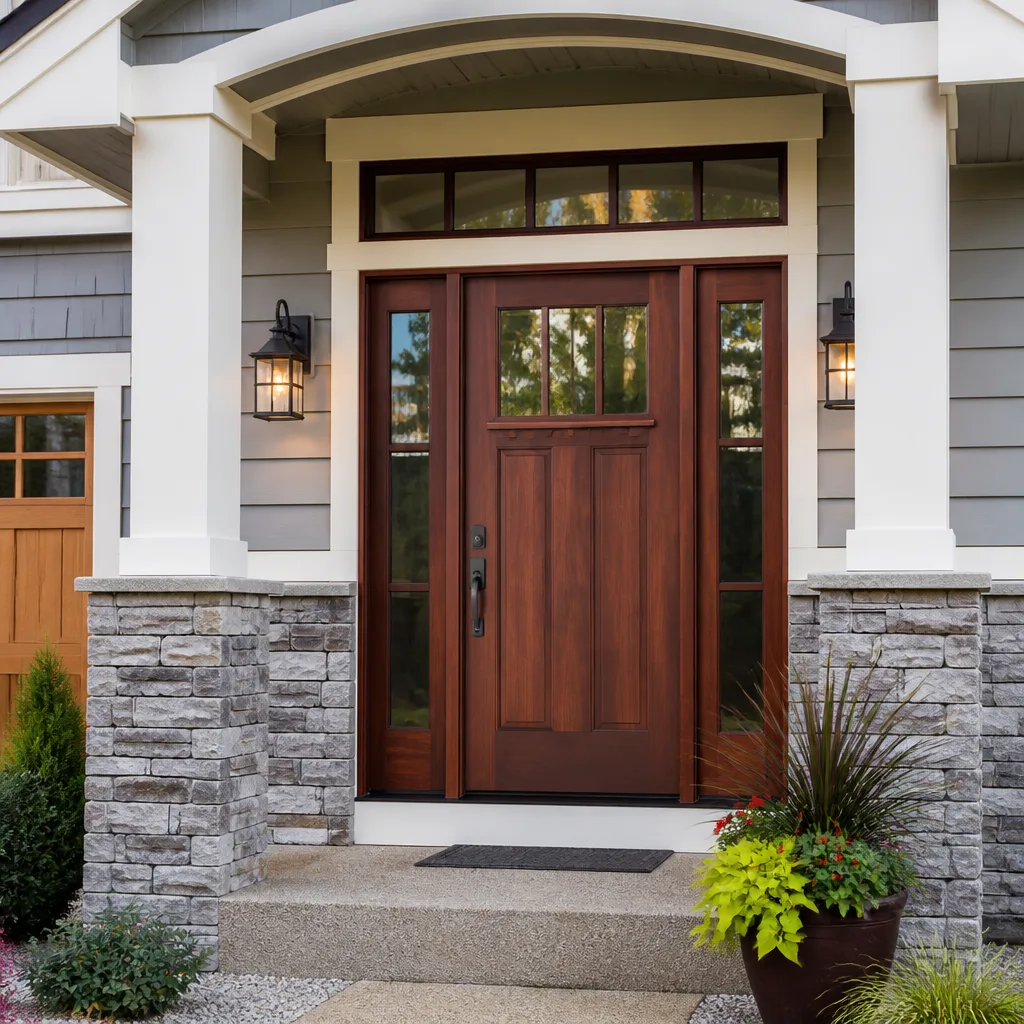
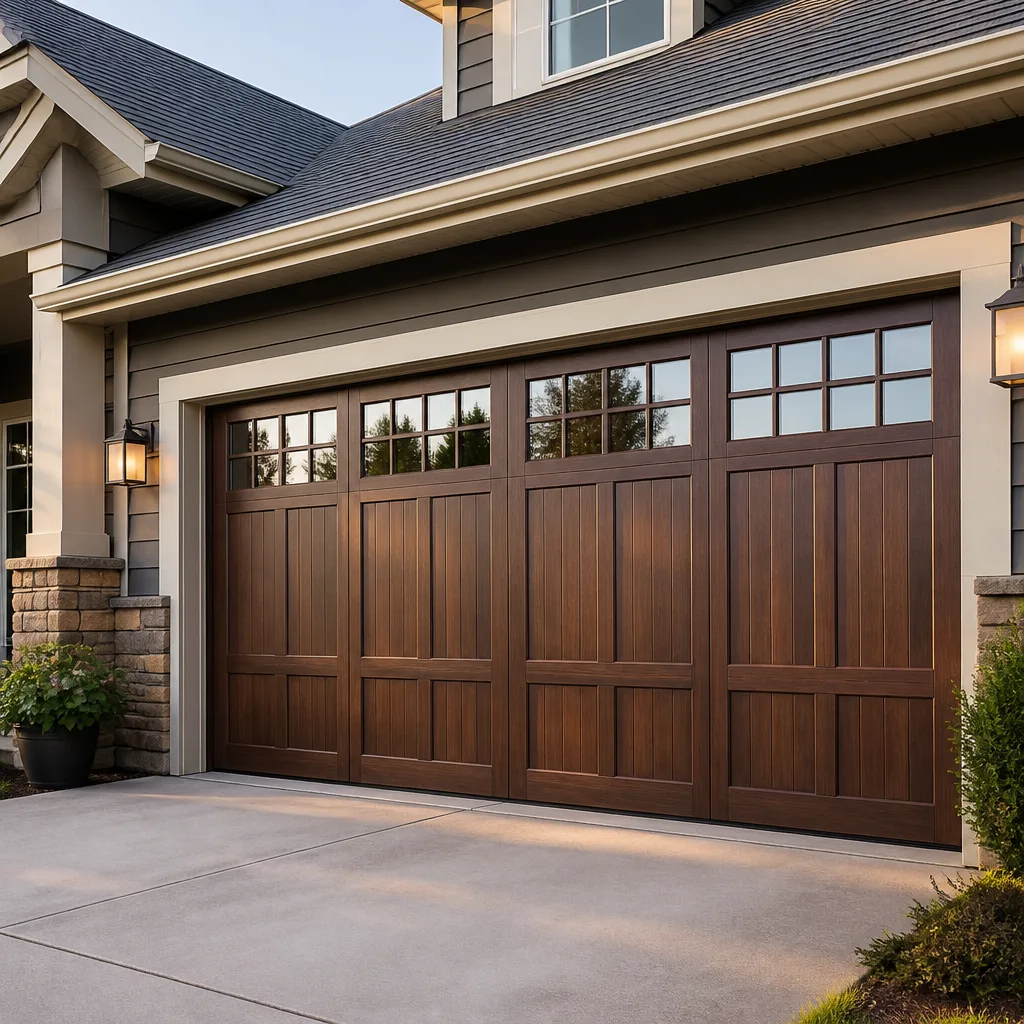
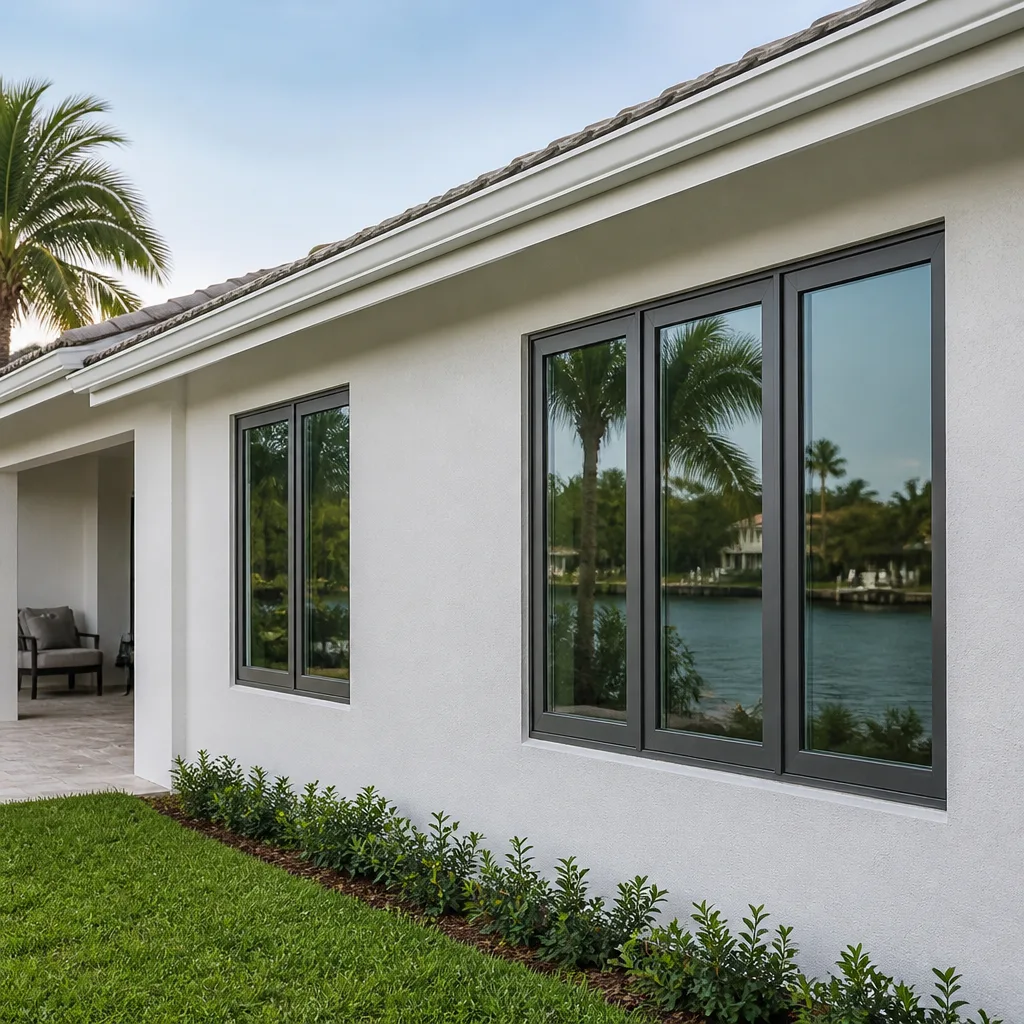
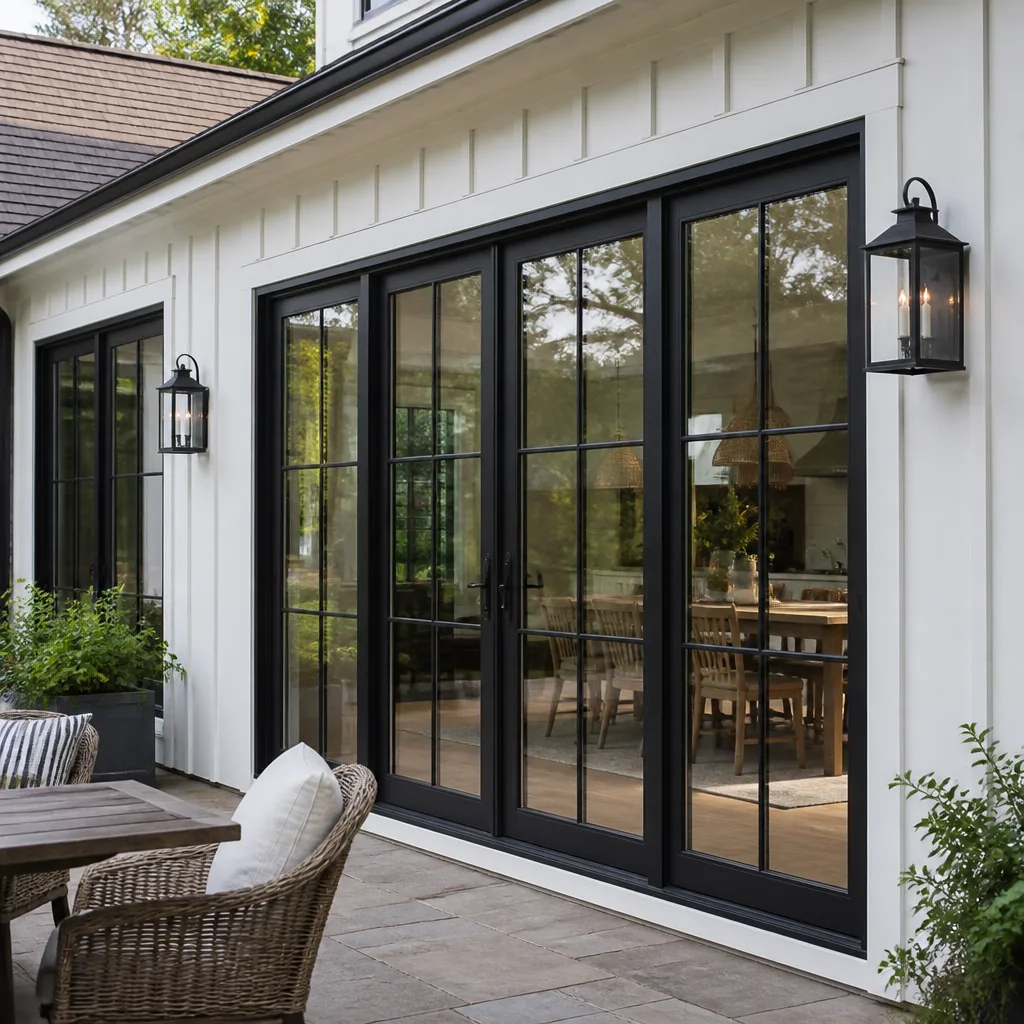
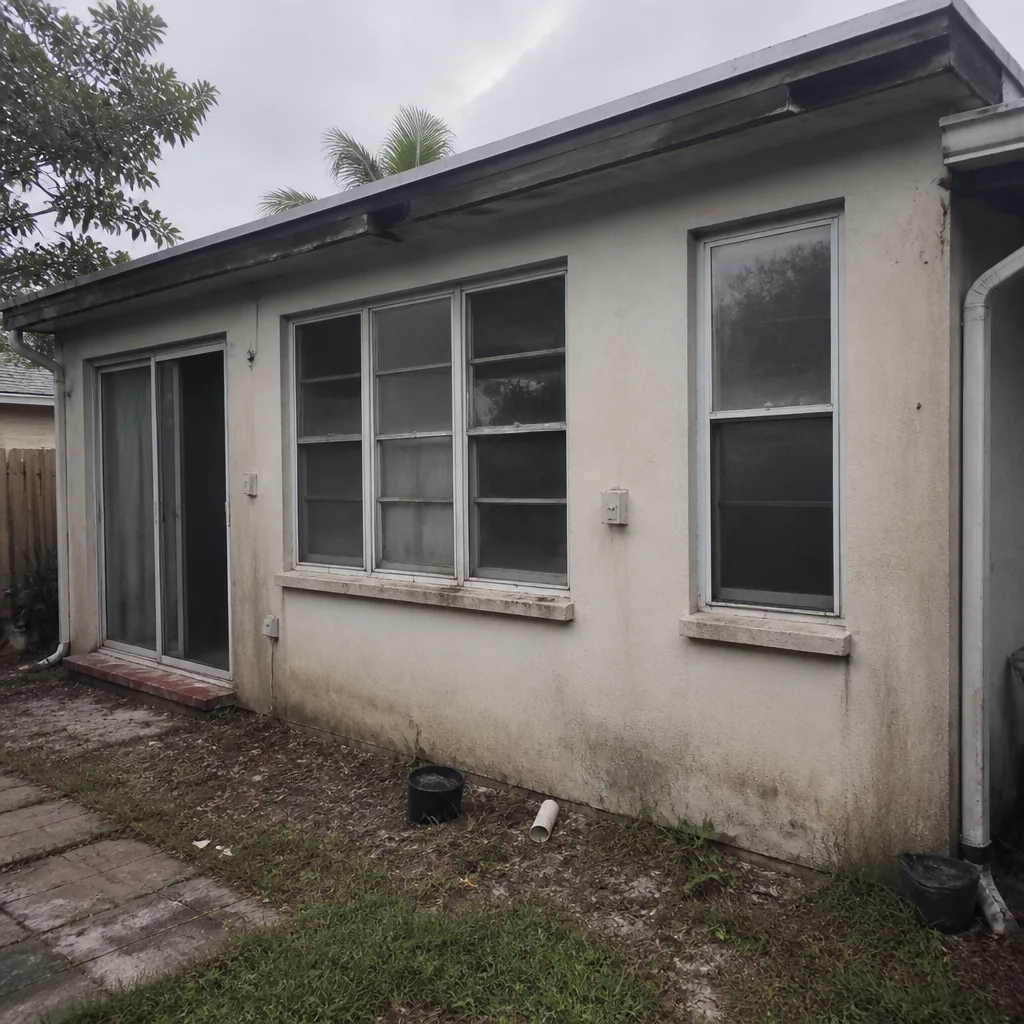 Before
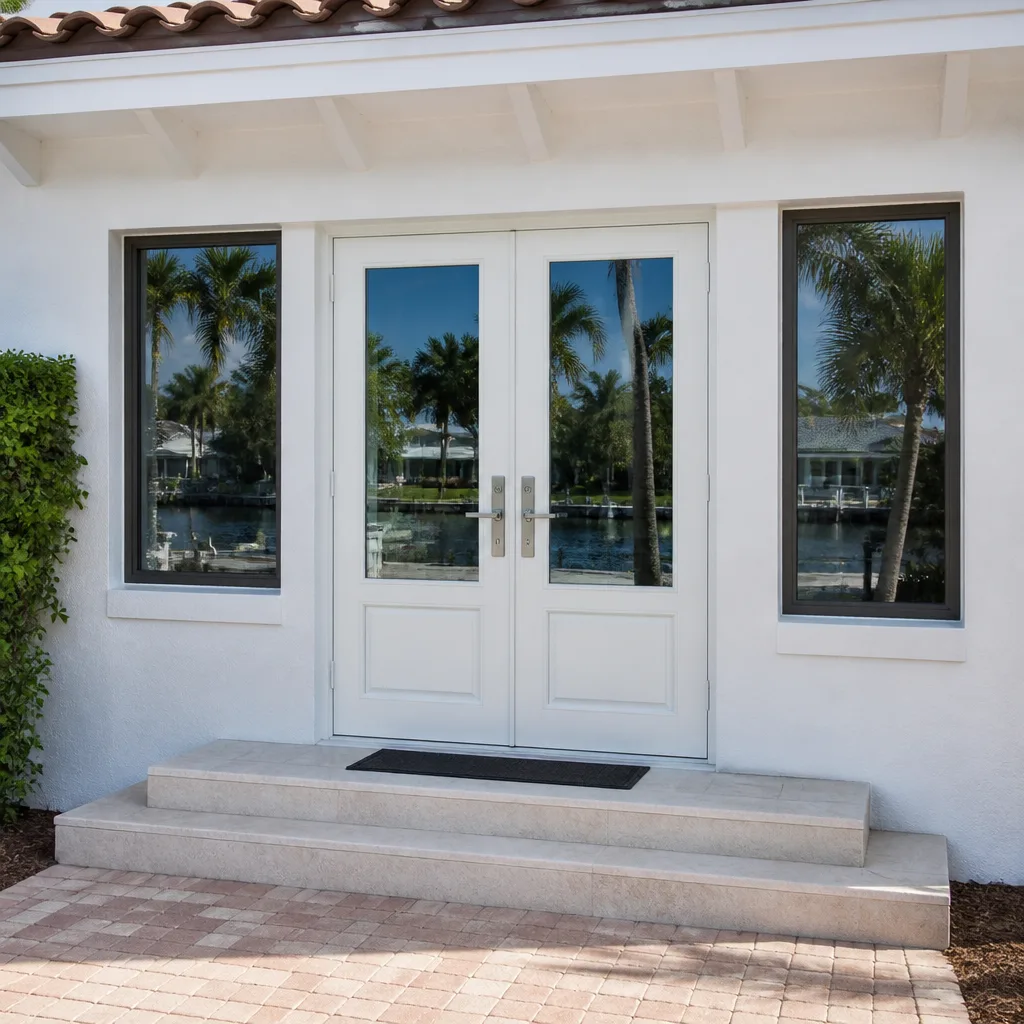 After
After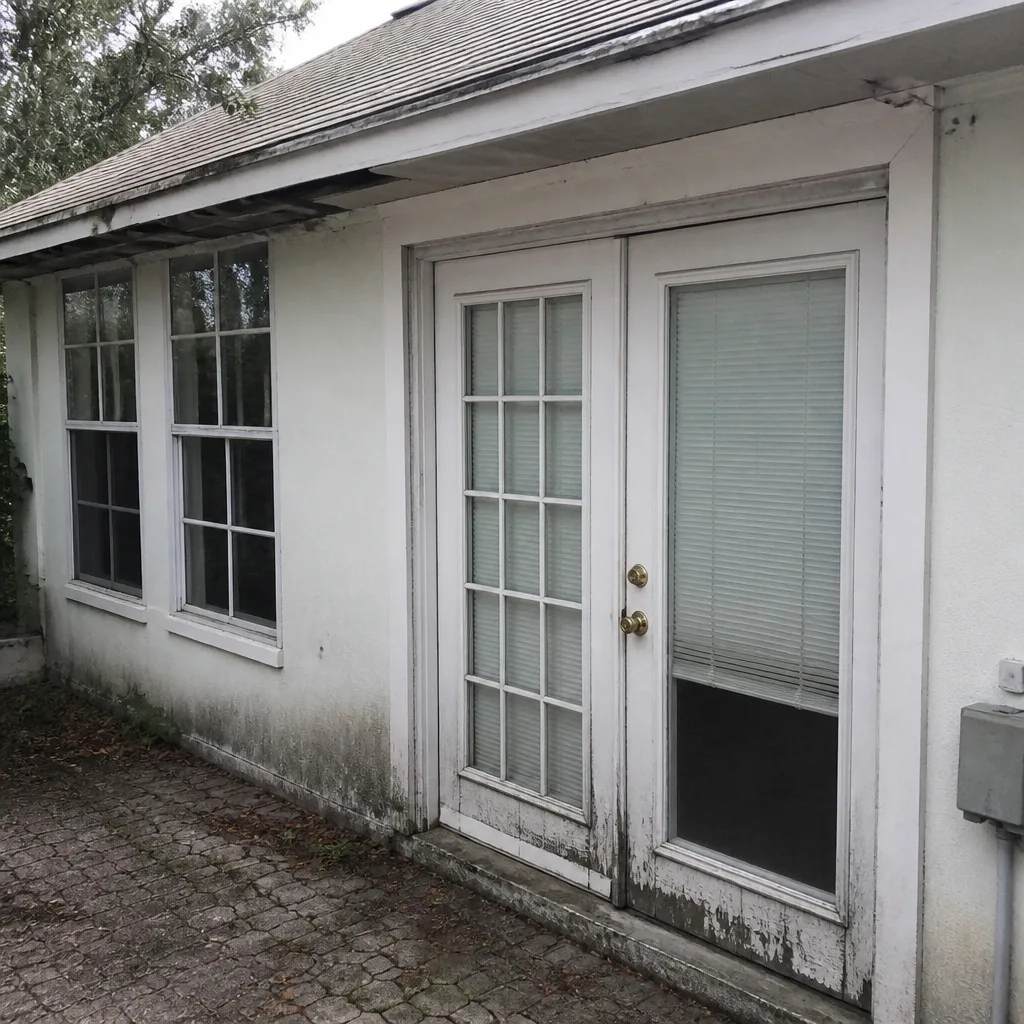 Before
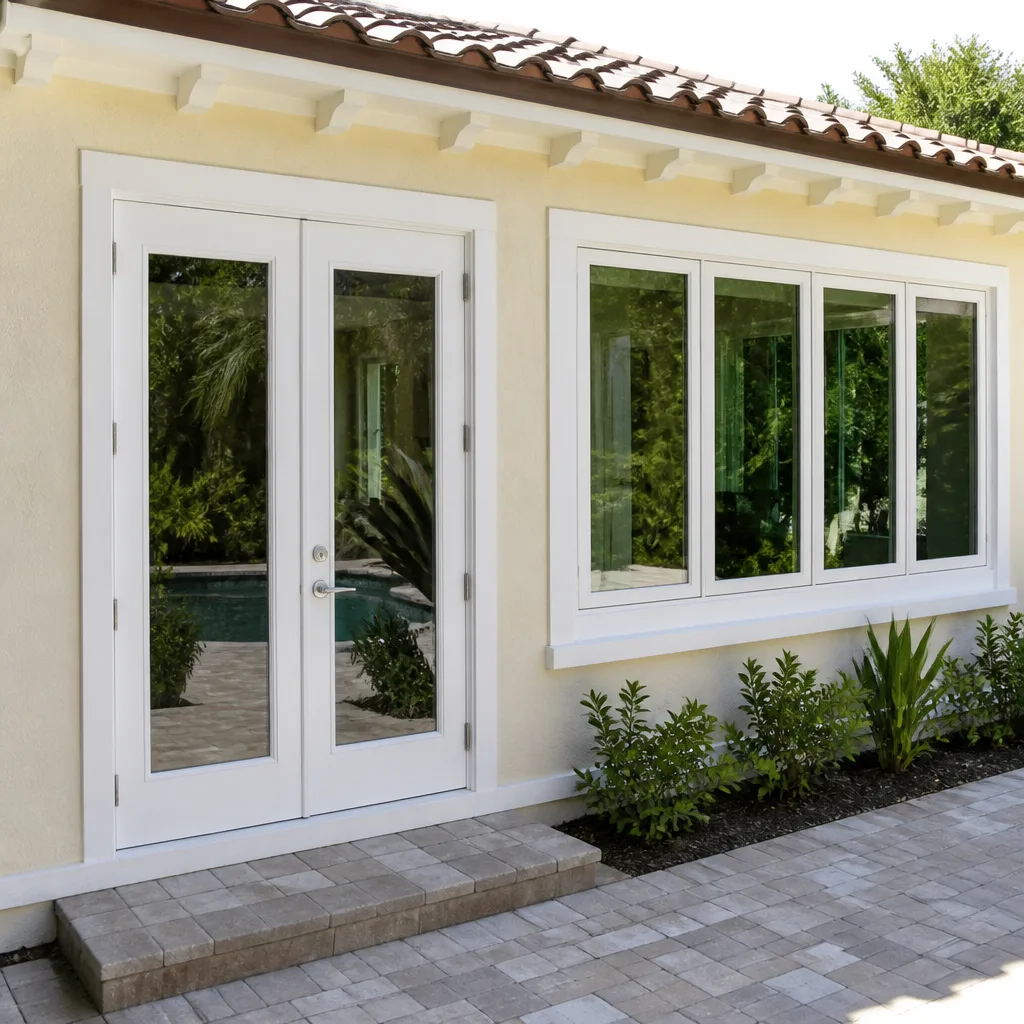 After
After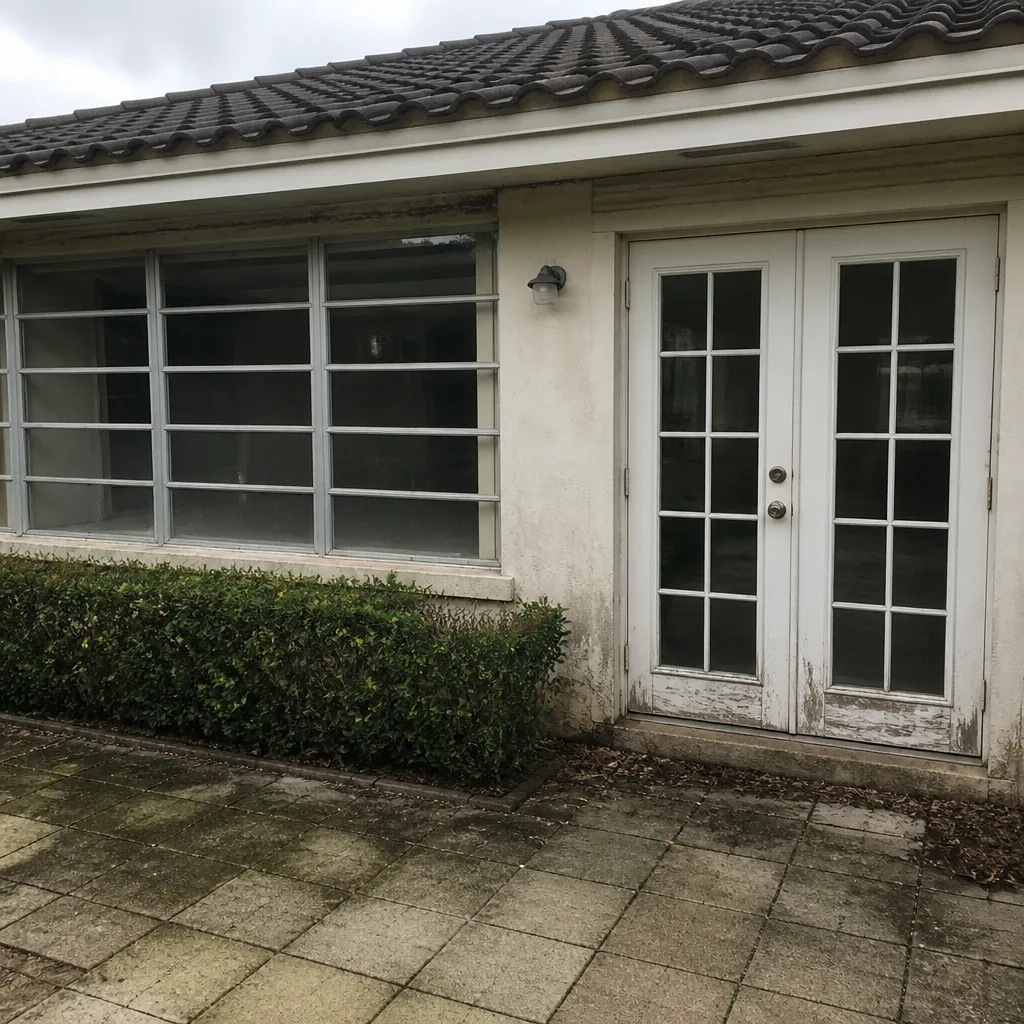 Before
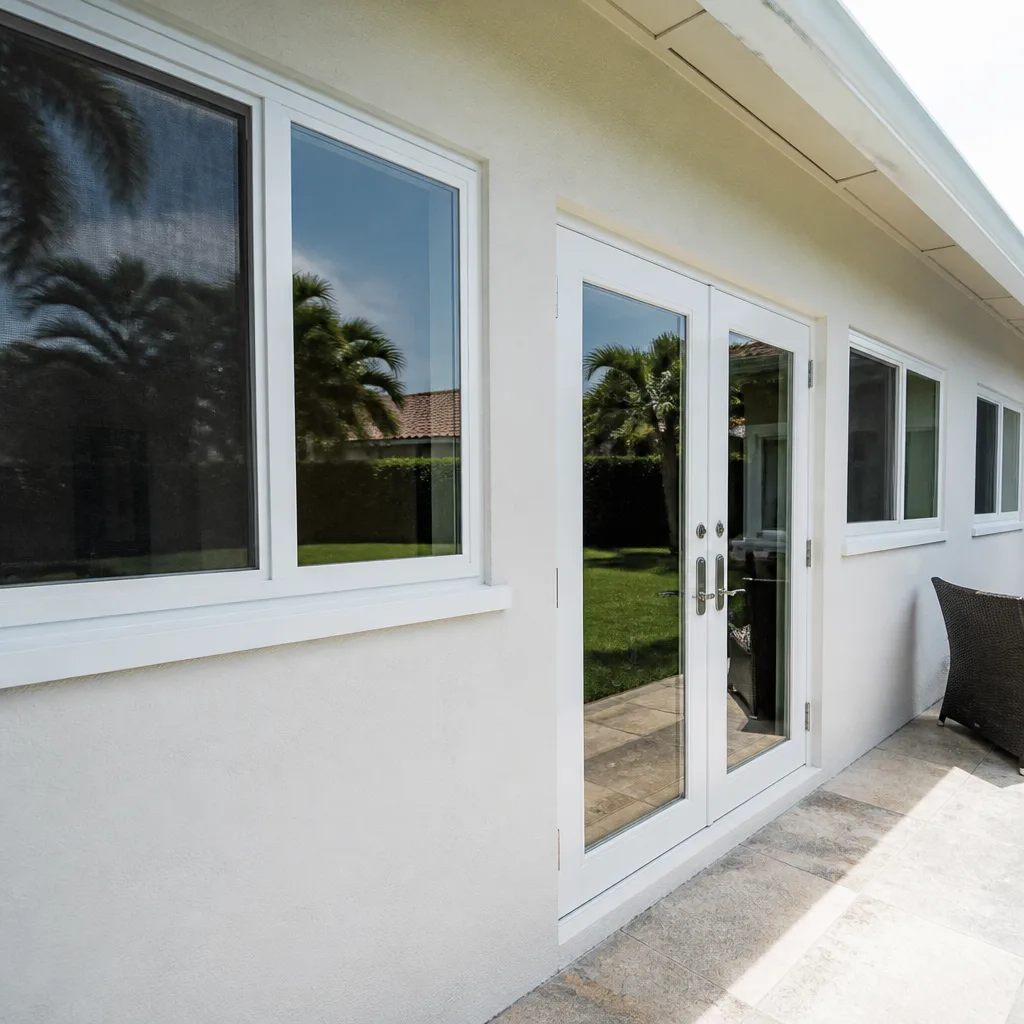 After
AfterThe Complete Guide to Windows & Doors in Lantana
Lantana sits 1.1 miles from the Atlantic coastline, which puts it inside the Florida Building Code’s “High-Velocity Hurricane Zone” boundary - a fact that eliminates roughly 40% of the window SKUs advertised at big-box retailers before you ever open a catalog. In our experience measuring openings across Lantana’s neighborhoods from Hypoluxo Island to the mainland corridors near Lantana Road, we’ve found that most homeowners make product decisions based on frame color and price per square foot, while the three variables that determine whether an install holds up past year five - salt-air exposure rating, Miami-Dade NOA compliance, and sill-to-header rough opening tolerance - go unexamined until a failure occurs. This guide maps every decision point to a measurable, documented standard rather than a sales pitch, and you can find more guides & resources on our blog.
Quick Answer
Windows and doors in Lantana must carry a Miami-Dade Notice of Acceptance (NOA) number to pass permit inspection, which limits eligible products to impact-rated lines with documented HVHZ performance. A proper installation begins with a measured rough-opening survey, specifies glass by SHGC value for the home’s orientation, and closes with a documented photo record that protects the homeowner during future insurance claims or resale. Expect to invest $650-$1,400 per opening for impact-rated vinyl or aluminum windows installed to code, with sliding and entry doors running $2,200-$5,800 depending on size, hardware, and impact rating.
Table of Contents
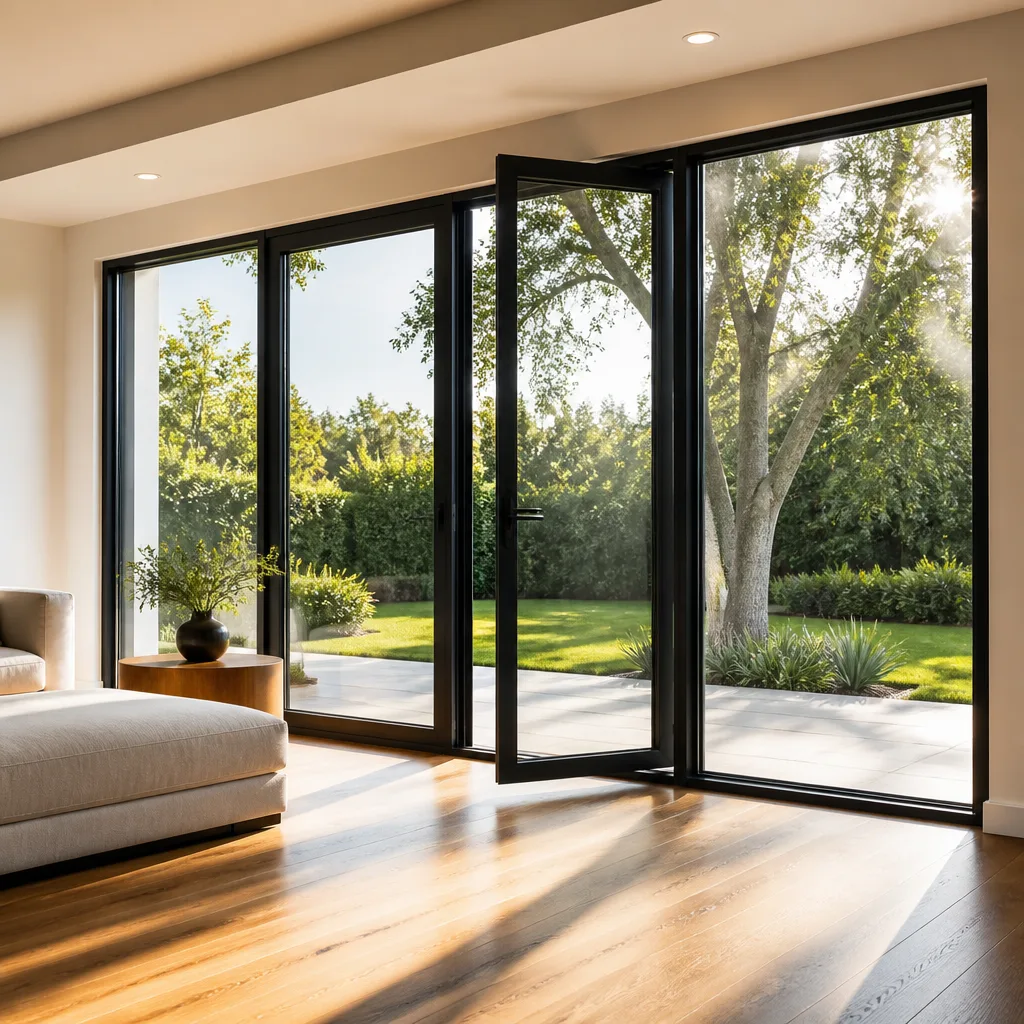
- How Lantana’s HVHZ Designation Changes What You Can Buy
- Reading Miami-Dade NOA Numbers on a Spec Sheet
- Rough Opening vs. Finish Opening: The $800 Mistake
- Glass Unit Options Ranked by SHGC for Lantana Exposures
- What a Documented Photo Record Protects Against
- How to Read a Permit Pull History Before Signing
- Manufacturer Lines by Performance Tier and Price Range
- What Sightline’s Measured Survey Process Looks Like
BeforeAfterHow Lantana’s HVHZ Designation Changes What You Can Buy
Florida divides its coastline into wind-borne debris regions, and Lantana falls within the most restrictive: the High-Velocity Hurricane Zone, or HVHZ. This isn’t a marketing label. It’s a code boundary drawn by the Florida Building Commission that requires every exterior window and door to resist impact from a 9-pound 2×4 lumber missile traveling at 34 miles per hour, followed by a cyclic pressure test simulating sustained hurricane winds.
What this means in practice: that attractive vinyl double-hung with the Energy Star sticker you saw at a national retailer? If it lacks a Miami-Dade NOA or Florida Product Approval number with HVHZ notation, it cannot legally be installed on a Lantana home. The permit will be rejected. The inspection will fail. And if it’s discovered post-installation - during a resale inspection, an insurance claim, or a code enforcement complaint - the homeowner bears the cost of removal and replacement.
We’ve measured openings in Lantana neighborhoods where previous owners installed non-HVHZ products during a 2004-2006 renovation cycle, before the current enforcement regime tightened. The frames look fine from the curb. But the glass lacks the laminated interlayer that holds shards in place during impact, and the anchoring schedule doesn’t meet the HVHZ fastening pattern. In a windstorm, that window becomes a pressurization point that can lift the roof structure.
The HVHZ boundary runs roughly parallel to the coast, and Lantana’s entire incorporated area sits inside it. Hypoluxo Island, the mainland neighborhoods between Federal Highway and Interstate 95, and the commercial corridors along Lantana Road - all of it. No exceptions for “I don’t think the wind is that bad here” or “my neighbor got away with it.” The code is the code, and the permit inspector enforces it.
What changes at the point of purchase:
- Product selection narrows from thousands of SKUs to hundreds with valid HVHZ documentation
- Price per opening increases 35-60% over non-impact alternatives, driven by laminated glass, reinforced frames, and heavier hardware
- Lead times extend from stock availability to 4-12 weeks for custom-sized impact units
- Installation labor increases due to heavier units (a 72×80 sliding glass door in impact-rated configuration can weigh 400+ pounds) and more rigorous fastening schedules
The manufacturers we specify from - PGT, CGI, CWS, ES Windows, ECO Window Systems, Mr-Glass, Therma-Tru, and ViewLux - each maintain current HVHZ NOAs on their impact-rated lines. We don’t stock inventory; we specify by what the opening requires, then order to the measured dimensions. That’s Haven Clause 1: the measurement and the quote are the same document.
Reading Miami-Dade NOA Numbers on a Spec Sheet
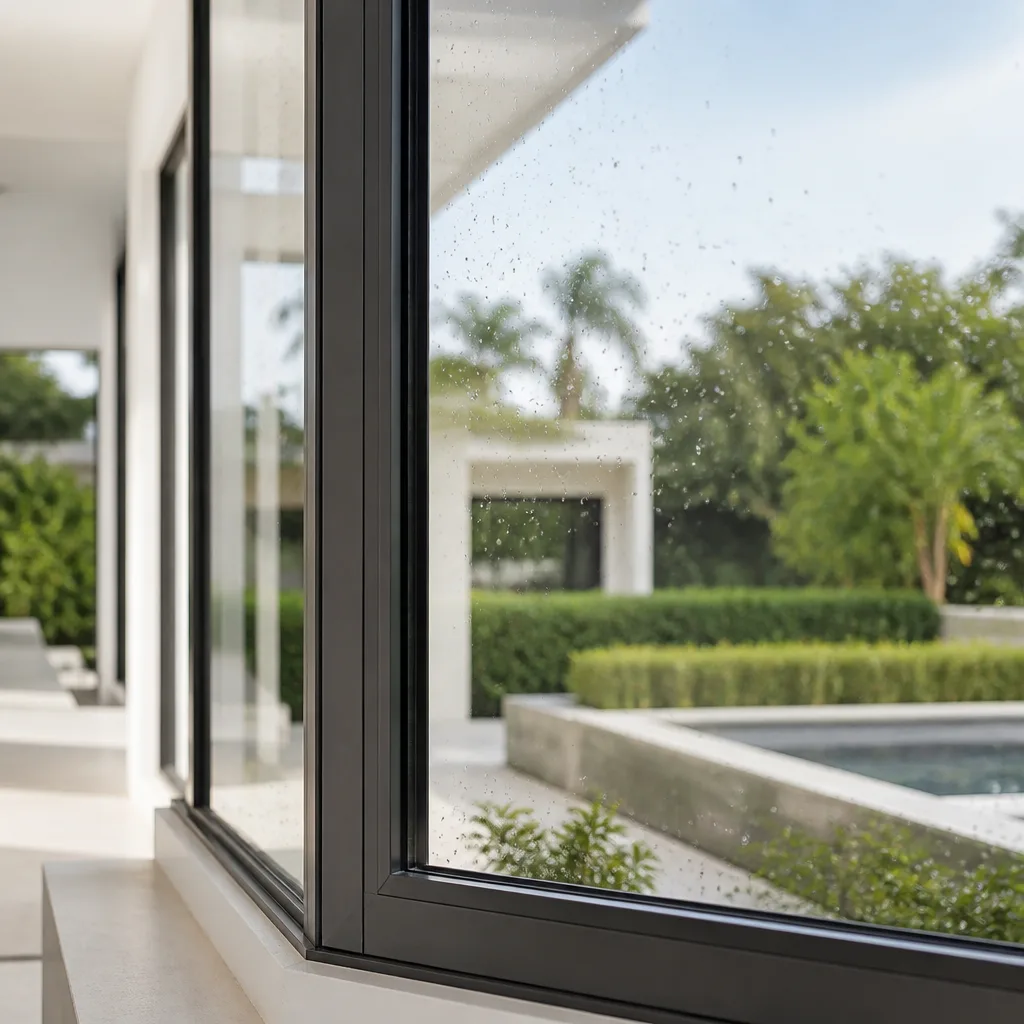
A Notice of Acceptance from the Miami-Dade County Product Control Division is not a generic approval. It’s a document, typically 15-40 pages, that specifies exactly how a product must be manufactured, labeled, and installed to maintain its code compliance. When we review a competitor’s quote with a homeowner during our free second-opinion service, the NOA number is the first thing we check - because a missing or expired NOA is a non-starter.
Here’s how to read one:
- Locate the NOA number on the spec sheet. It follows the format NOAXX-XXXX.XX, where the prefix digits indicate the year of issuance and the suffix indicates revision level. A NOA beginning with “NOA23” was issued in 2023; “NOA18” in 2018, and so on.
- Verify current status on the Miami-Dade portal. Navigate to the Product Control Division’s online database and enter the full NOA number. The document must show “Active” status. Expired NOAs are common - manufacturers update formulations, and the old NOA lapses. An install under an expired NOA fails inspection.
- Check the HVHZ designation explicitly. Not all Miami-Dade NOAs include HVHZ approval. Some products are approved only for the remainder of Florida outside the HVHZ boundary. The document must state “Approved for use in the High-Velocity Hurricane Zone” or equivalent language in the scope section.
- Match the product description to the label. The NOA describes specific frame profiles, glass thicknesses, laminate types, and hardware configurations. The physical label on the window or door must match exactly. A common error: quoting a product with a NOA that covers multiple series, then installing a series variant not included in the approval.
- Confirm the installation method matches your wall type. The NOA specifies anchoring for concrete block, wood frame, or steel stud construction. Lantana’s housing stock is mixed - 1950s-1970s concrete block ranch homes, 1980s-2000s wood-frame construction, and recent concrete-block townhomes. The anchoring schedule must match the substrate.
We’ve encountered quotes in Lantana where the NOA number on the spec sheet was valid, but the product label in the warehouse didn’t match - a Series 7400 frame quoted, Series 7200 delivered. The difference is invisible to most homeowners. It’s visible to the permit inspector, and it’s visible to us because Haven Clause 4 (Evidence on Every Job) requires we photograph the label before installation begins.
The NOA also specifies the design pressure rating, expressed in pounds per square foot (psf). For Lantana’s exposure, we typically specify DP-50 or higher for first-floor openings, and DP-55+ for second-story and corner exposures where wind pressures concentrate. A lower DP rating may save $40-$80 per window, but it won’t meet the structural calculations for your specific address if the engineer’s wind load analysis demands higher.
Rough Opening vs. Finish Opening: The $800 Mistake
This is the most expensive misreading in residential window and door installation, and we see it regularly in Lantana’s older housing stock where original openings have settled, been modified by previous owners, or were never standard to begin with.
The rough opening is the structural void in the wall - the dimension from jack stud to jack stud, sill plate to header, before any trim or finishing. The finish opening is what you see after installation: the visible daylight dimension of the frame, with interior trim applied. The two are not the same number, and confusing them triggers a cascade of problems.
Here’s the sequence that costs homeowners:
- A homeowner or inexperienced measurer records the finish opening - say, 36 inches wide by 60 inches tall - from interior trim edge to interior trim edge.
- That dimension is ordered as the “window size.”
- The manufacturer builds a 36×60 unit designed to fit a rough opening of approximately 36-1/2 x 60-1/2 inches, to allow for shimming, squaring, and fastening.
- The unit arrives. It won’t fit in the actual rough opening, which measures 35-3/4 x 59-1/2 because the original builder framed tight and the finish trim concealed the discrepancy.
- Options: return the unit (re-stock fee, typically 25-35% of unit cost, plus 4-8 week re-order delay), or cut the rough opening larger (structural modification, permit amendment, $400-$800 in additional labor and materials).
In Lantana’s Hypoluxo Island homes, many built in the 1960s with cast-in-place concrete headers and steel jamb angles, enlarging the rough opening isn’t structurally feasible without an engineer’s letter and a substantial construction budget. The re-order becomes the only path.
Our measured survey protocol, governed by Haven Clause 1, records:
- Rough opening width at sill, mid-height, and header (three measurements; we use the smallest)
- Rough opening height at left jamb, center, and right jamb (three measurements; we use the smallest)
- Diagonal measurements to check for square (difference greater than 1/4 inch triggers a custom-order note)
- Wall thickness and substrate type (determines jamb depth and anchoring method)
- Sill condition and header integrity (rot, termite damage, or steel corrosion documented with photos)
The customer keeps this survey. The written quote references it by date and opening location. The ordered unit matches it exactly. That’s how the measurement and the quote remain the same document - and how we avoid the $800 mistake.
Glass Unit Options Ranked by SHGC for Lantana Exposures
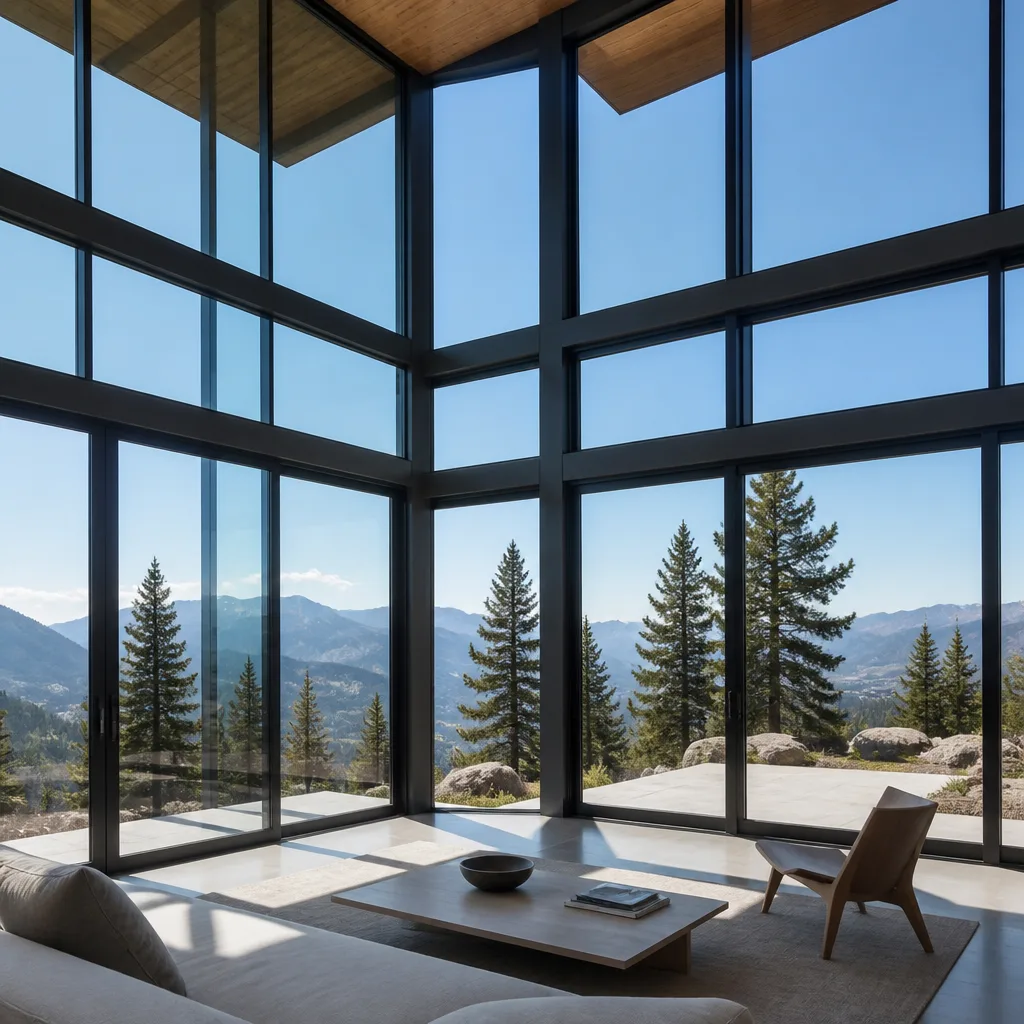
Solar Heat Gain Coefficient (SHGC) measures how much solar radiation passes through the glass and enters the home as heat. For Lantana’s climate - hot, humid, with cooling-degree days dominating the energy budget - lower SHGC means lower air conditioning load. But the optimal value depends on orientation, and most homeowners never see this number on a quote.
Here’s what we specify for Lantana homes, with estimated energy cost impact:
| Glass Configuration | Typical SHGC | Best For | Estimated Annual Cooling Cost per Window |
|---|---|---|---|
| Clear dual-pane, no low-e | 0.62-0.70 | North-facing, heavily shaded | $85-$110 |
| Standard low-e, dual-pane | 0.40-0.50 | East or west exposure, moderate shade | $55-$75 |
| High-performance low-e (soft coat) | 0.25-0.35 | South or west exposure, direct sun | $38-$52 |
| Triple-silver low-e, laminated impact | 0.18-0.25 | Unshaded south or west, second-story | $28-$40 |
| Suspended film or quad-pane (specialty) | 0.15-0.20 | Net-zero or passive house targets | $22-$32 |
These are modeled estimates for a 36×60 inch operable window in a 2,000 square foot Lantana home with 15 SEER air conditioning, at FPL’s current residential rate structure. Actual costs vary with home tightness, duct condition, and thermostat settings.
The critical detail for Lantana: west-facing exposures receive afternoon sun when ambient temperatures peak, making high-SHGC glass particularly costly. South-facing exposures are easier to shade with overhangs, but many Lantana homes built in the 1970s-1990s lack adequate eave depth. We’ve measured roof overhangs on Lantana Road corridor homes at 8-12 inches - insufficient to shade a standard-height window at summer solstice.
Our specification process includes a solar path analysis using the home’s orientation and surrounding vegetation. For ES Windows and ECO Window Systems lines, we can specify different glass packages by elevation - high-performance low-e on the west, standard low-e on the north - without mixing frame colors or hardware finishes. The incremental cost is $45-$85 per window for the upgraded glass, with simple payback in 3-5 years against FPL cooling costs.
U-factor, which measures heat transfer through the entire window assembly, matters less in Lantana’s climate than SHGC. We specify U-factor below 0.35 as a baseline for code compliance and comfort, but we don’t over-invest in U-factor improvement at the expense of SHGC performance.
What a Documented Photo Record Protects Against
Haven Clause 4 requires evidence on every job. For window and door installation, this means a timestamped, geotagged photo record that documents conditions before, during, and after work. The customer receives this record at closeout, stored in their project file. It is not an upsell. It is standard.
What it protects against:
- Insurance claim disputes after wind damage. If a window fails during a named storm, the insurer’s adjuster will examine whether the product was properly rated and installed. Our photo record shows the NOA-matching label, the HVHZ-approved fastening pattern, and the intact sealant bead before the storm arrived. We’ve had Lantana homeowners use this documentation to reverse initial claim denials.
- Resale inspection failures. Palm Beach County’s resale inspection program, required for homes older than 2002, checks window and door condition and code compliance. Our photo record proves the installation date, the product rating, and the permit closure - eliminating the “when was this done and by whom” uncertainty that kills deals.
- Warranty claim documentation. Manufacturer warranties require proof of proper installation. Our photos show level, plumb, and square; correct shimming; specified fasteners at the required spacing; and intact flashing integration. Without this, a manufacturer may deny a glass seal failure or hardware defect claim by attributing it to installation error.
- Neighbor and association disputes. In Lantana’s townhome communities and HOA-governed subdivisions, window replacement often triggers architectural review disputes. Our photo record includes before-condition documentation of exterior appearance, proving that the new unit matches or improves upon the original profile and doesn’t violate covenants.
The record includes: wide shots of each opening before removal; close-ups of existing conditions (rot, insect damage, structural issues); product labels showing NOA numbers and manufacturing dates; intermediate shots of flashing, anchoring, and insulation; final shots of finished interior and exterior; and thermal images where we specify high-performance glass, documenting the assembly’s performance at closeout.
We keep copies for the life of the 365-Day Done Right Promise and beyond. If a homeowner sells in year three and the buyer’s inspector questions the window age, we can produce the documentation.
How to Read a Permit Pull History Before Signing
Palm Beach County maintains a public permit portal that any homeowner can search, free of charge, before hiring a contractor. We encourage this. The portal reveals patterns that no sales presentation will disclose.
Here’s what to look for:
- Search by contractor license number. Enter the contractor’s Palm Beach County license or state certificate number. The portal returns all permits pulled under that license for the searchable period, typically 10+ years.
- Check permit volume against claims. A contractor claiming “thousands of local installations” should show hundreds of permits annually. Sparse permit history suggests subcontracting, unpermitted work, or inflated claims.
- Review inspection pass/fail ratios. Each permit shows inspection events - rough, final, and re-inspections if failed. A pattern of multiple re-inspections indicates quality control problems. In our experience, a well-run operation averages fewer than 10% re-inspection rate for window and door permits.
- Verify permit closure. Open permits linger in the system when final inspection was never called or failed. An open permit on a home you don’t own isn’t your problem; an open permit on your home after work completes is. It blocks future permits and complicates resale.
- Cross-reference addresses to claimed territory. A contractor advertising “Lantana’s trusted choice” with no permits in 33462 or adjacent zip codes is not established in this market.
We’ve reviewed competitor histories where the same license showed 40+ open permits, some dating back four years - meaning homeowners paid for work that was never properly closed out. We’ve seen licenses with inspection failure rates above 30%, suggesting the crew doesn’t understand the code or doesn’t prepare for inspection.
Our permit history is available for review. Every job we complete in Lantana - window installation in Lantana, door installation in Lantana, or window replacement in Lantana - is pulled under our license, inspected on schedule, and closed before we request final payment. Haven Clause 2: Arrive on Schedule applies to inspection appointments too.
Manufacturer Lines by Performance Tier and Price Range
We specify from eight manufacturer lines, selected by what the opening requires rather than what sits in a warehouse. Here’s how we categorize them for Lantana’s market:
Impact-rated vinyl windows (most common specification):
- PGT WinGuard: Established Florida line, DP-50 to DP-60 ratings, $720-$980 per opening installed. Proven track record in salt-air environments.
- CGI Estate Series: Aluminum-clad vinyl with enhanced hardware, DP-55+, $850-$1,150 per opening. Preferred for larger openings and sliding glass doors.
- CWS Aegis: Vinyl line with slim sightlines, DP-50, $680-$920 per opening. Good value for standard sizes in Lantana’s ranch-style homes.
Impact-rated aluminum windows (coastal exposure, modern aesthetic):
- ES Windows: Thermal-break aluminum, DP-55 to DP-65, $890-$1,280 per opening. We specify this line for Lantana’s contemporary renovations and for homeowners prioritizing narrow frame profiles.
- ECO Window Systems: Aluminum with polyamide thermal break, DP-50+, $820-$1,100 per opening. Strong performance-to-price ratio for multi-opening projects.
Specialty and custom applications:
- Mr-Glass: Custom geometric and architectural shapes, impact-rated, priced by design. Used for gable windows, radius tops, and non-standard configurations common in Lantana’s 1980s-1990s custom homes.
- ViewLux: High-end aluminum with minimal sightlines, DP-60+, $1,200-$1,650 per opening. Specified for panoramic views in waterfront properties on Hypoluxo Island and the Intracoastal.
Entry and patio doors:
- Therma-Tru: Fiberglass and steel entry door systems, impact-rated options available, $2,400-$4,800 installed with hardware and sidelights. We specify this for front entry replacement where insulation value matters.
- PGT and CGI: Sliding and French door systems, impact-rated, $2,800-$5,800 depending on size and screen configuration.
These ranges include unit, installation, permit, and standard trim. Custom jamb extensions, stucco repair, or structural modifications are quoted separately based on the measured survey. The written price before work starts includes all line items - no change orders for conditions we should have seen during survey.
What Sightline’s Measured Survey Process Looks Like
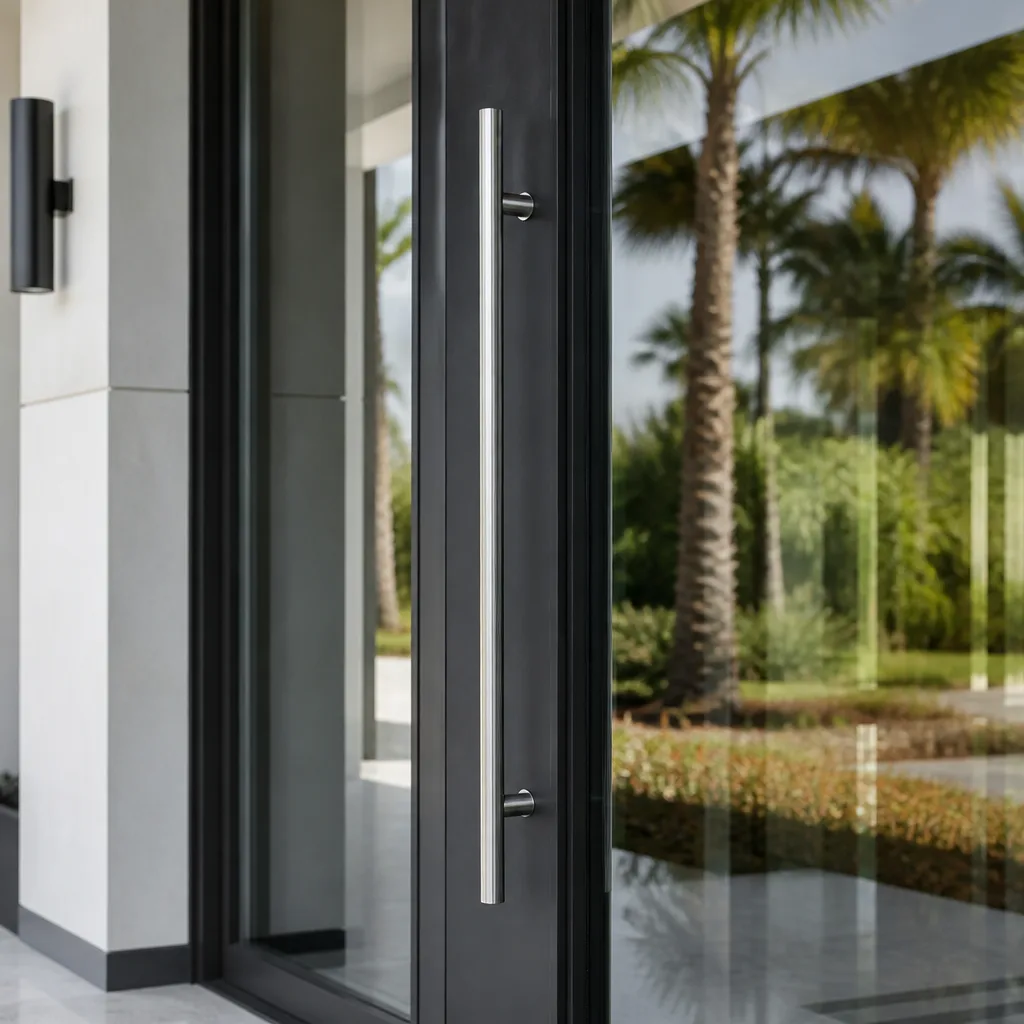
Every engagement begins with the measured survey the customer keeps. Here’s what happens when you contact Sightline Windows & Doors Lantana at (561) 461-2062:
- Schedule confirmation. A live person answers, 24/7. We don’t use callback windows. You choose a date; we confirm within minutes by text and email.
- Technician arrival. Background-checked, uniformed, license number provided in advance via text. Haven Clause 3: Verified Crews means the person at your door is the person on the record.
- Opening-by-opening measurement. We measure every opening you want to replace, plus any that show signs of failure you may not have noticed. The rough opening dimensions, wall construction, substrate condition, and surrounding finish are recorded.
- Condition documentation. Photos of existing units, surrounding structure, and any defects. These become part of your project file.
- Product specification. Based on orientation, exposure, your performance priorities, and budget, we specify from our eight manufacturer lines. We explain SHGC, U-factor, DP rating, and NOA status in plain terms.
- Written quote delivery. The quote references the measured survey by date and opening location. Each line item is priced. The total is the total. Haven Clause 1: the measurement and the quote are the same document.
- No-pressure review period. We leave the quote with you. Our free second opinion service means you can bring us a competitor’s written estimate and we’ll review it at no charge - not to undercut, but to verify that products, ratings, and scope are comparable.
If you proceed, the ordered units match the survey exactly. The installation crew has the survey, the photos, and the quote. The permit is pulled before work begins. Inspection is scheduled before we arrive. And the documented photo record closes the job.
Common Mistakes to Avoid
- Ordering by finish opening dimensions. This is the $800 re-order fee waiting to happen. Always measure rough opening, or have a professional do it.
- Assuming “impact-rated” means “HVHZ-approved.” Many products carry Florida Product Approval for non-HVHZ zones. Lantana requires the Miami-Dade NOA with explicit HVHZ notation.
- Ignoring west-facing SHGC. Lantana’s afternoon sun load on west windows is extreme. Specifying standard low-e when high-performance is called for costs $30-$50 per window annually in excess cooling.
- Accepting a verbal quote or “estimate range.” Without a written, line-item price tied to a measured survey, you have no basis to dispute change orders or compare bids.
- Neglecting to verify permit closure on previous work. If you’re buying a Lantana home with replaced windows, search the address on Palm Beach County’s portal. Open permits from prior owners become your problem at resale.
- Choosing product by color sample alone. Frame color is the last specification step. Performance rating, NOA validity, and installation method determine whether the window functions; color determines whether you like looking at it.
When to Call a Professional
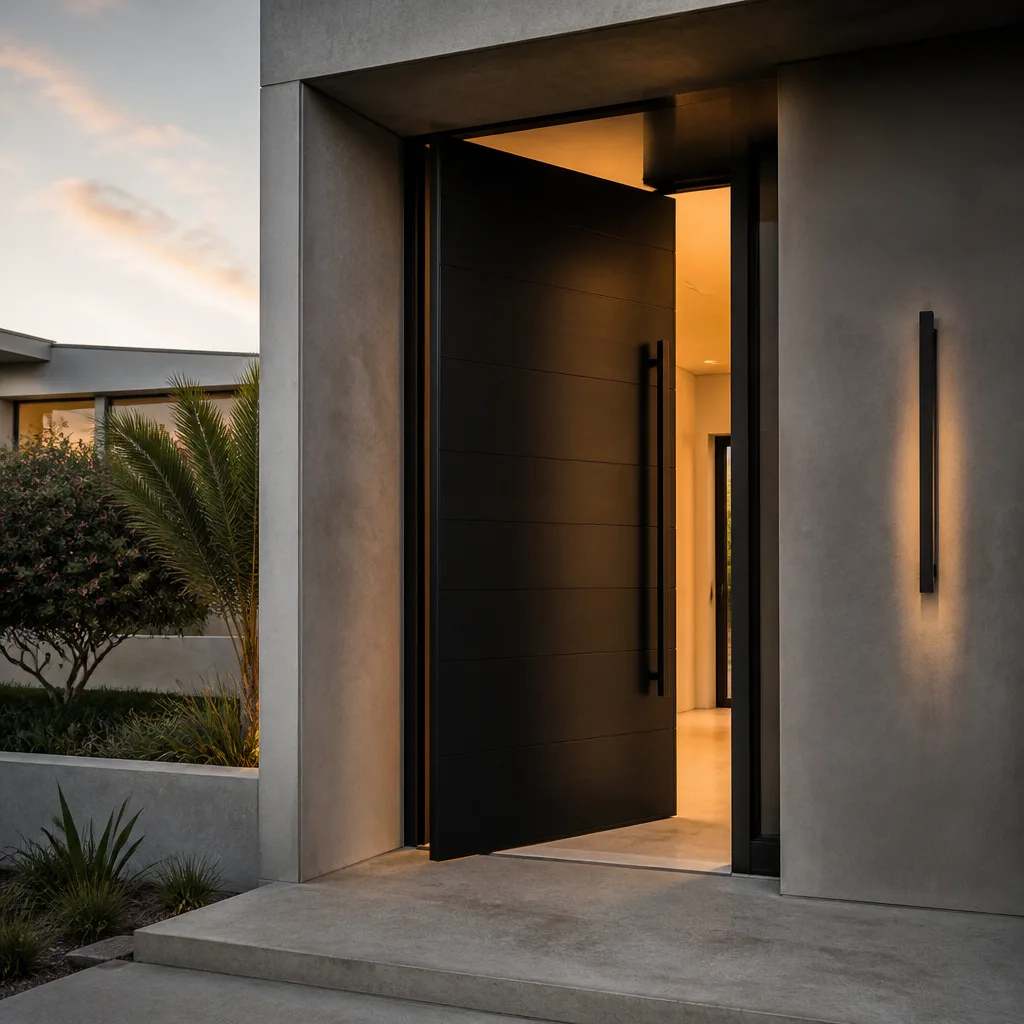
Window and door replacement in Lantana is not a casual DIY project. Impact-rated units weigh substantially more than standard products, and the HVHZ fastening schedule requires specific anchor types, spacing, and torque values that vary by wall substrate. Improper installation voids the manufacturer warranty, fails inspection, and creates liability exposure if the unit fails during a storm.
Call a professional when: you need more than one opening replaced; the existing units show signs of water intrusion (staining, soft drywall, mold odor); the home was built before 2002 and may contain non-compliant original products; you’re considering product changes that alter the rough opening size; or you need to verify that a previous installation was permitted and inspected properly.
Sightline Windows & Doors Lantana offers free estimates in Lantana - call (561) 461-2062 to schedule your measured survey. We’ll provide the written price before any work starts, and you’ll keep the survey document for your records.
Frequently Asked Questions
Impact-rated window replacement in Lantana typically runs $650-$1,400 per opening installed, depending on size, frame material, glass specification, and wall condition. Standard vinyl double-hungs in common sizes fall at the lower end; large picture windows, custom shapes, or aluminum frames with high-performance glass fall at the upper end. Call (561) 461-2062 for an exact quote - estimates are free, and the written price won’t change once work starts.
Yes. Palm Beach County requires a building permit for all window and door replacement in the HVHZ, including like-for-like replacement. The permit ensures the product carries a valid Miami-Dade NOA and the installation meets the HVHZ fastening schedule. Sightline pulls permits on every job and schedules inspection as part of our standard process.
Impact windows use laminated glass that holds together when struck by wind-borne debris, maintaining the building envelope and preventing pressurization. Shutters protect the glass but don’t prevent pressure changes if the seal fails; they also require installation before a storm and removal after. Impact windows are always in place, require no homeowner action, and provide continuous security. In Lantana’s HVHZ zone, impact windows are the code-compliant solution for new and replacement installations.
A typical Lantana home with 10-15 openings completes in 2-3 working days, assuming standard conditions and no structural modifications. Custom or oversized units, stucco repair, or permit re-inspections extend the timeline. We provide a written schedule with the quote, tied to the measured survey scope.
No. Haven Clause 1 means the written price before work starts is the final price. The only exception: if concealed conditions exist that were impossible to detect during survey (structural decay behind finish, for example), we document the finding, stop work, and present a written amendment before proceeding. In our experience across 18,000+ openings, this occurs in fewer than 3% of Lantana jobs.
Check for a Miami-Dade NOA label on the frame or sash, typically a sticker or etched marking with a NOA number. If no label is visible, search the address on Palm Beach County’s permit portal - permitted work will show the product approval. If neither exists, assume non-compliance. We provide free second opinions on any written estimate, including verification of existing product ratings.
The Bottom Line
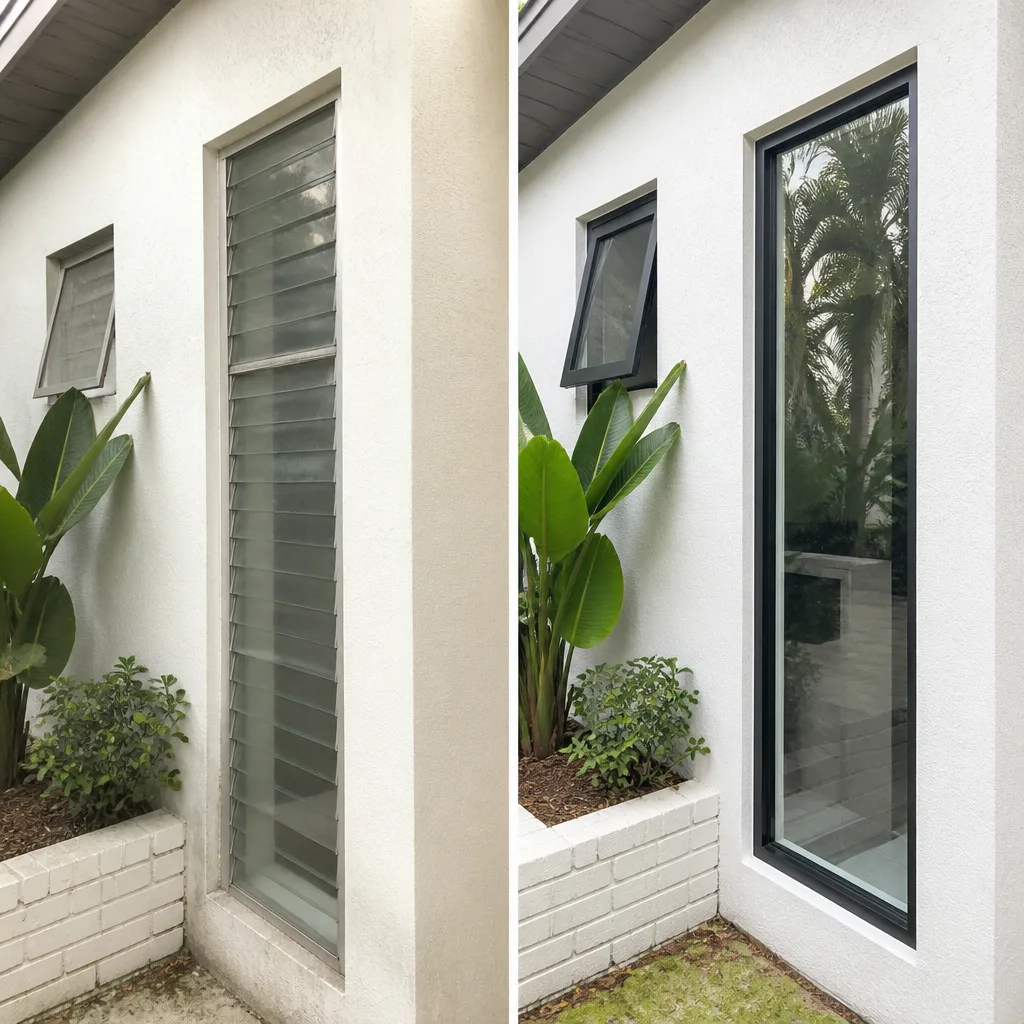
Windows and doors in Lantana must survive a specific set of conditions: salt air, HVHZ wind loads, intense solar gain, and code enforcement that doesn’t grandfather non-compliant products. The homeowners who navigate this successfully don’t rely on sales presentations. They rely on documented standards - NOA numbers, measured surveys, SHGC specifications, and photo records - that create accountability at every step, plus seasonal maintenance to protect their investment.
We’ve installed and replaced windows and doors across Lantana since 2012 under the Haven Standard. Every job begins with a written price and ends with documented evidence. If you’re researching your options, start with the permit portal, compare written quotes line by line, and verify that any contractor you consider can produce the documentation they promise.
Call (561) 461-2062 to schedule your free measured survey. We’ll provide the written price before any work starts, and you’ll keep the survey document for your records.
Written by Sonia Raman, Owner at Sightline Windows & Doors Lantana, serving Lantana since 2012.