
Last updated September 24, 2026
Free in-home measure and quote - PGT, CGI and CWS impact lines compared on your actual openings, style by style
 Before
 After
After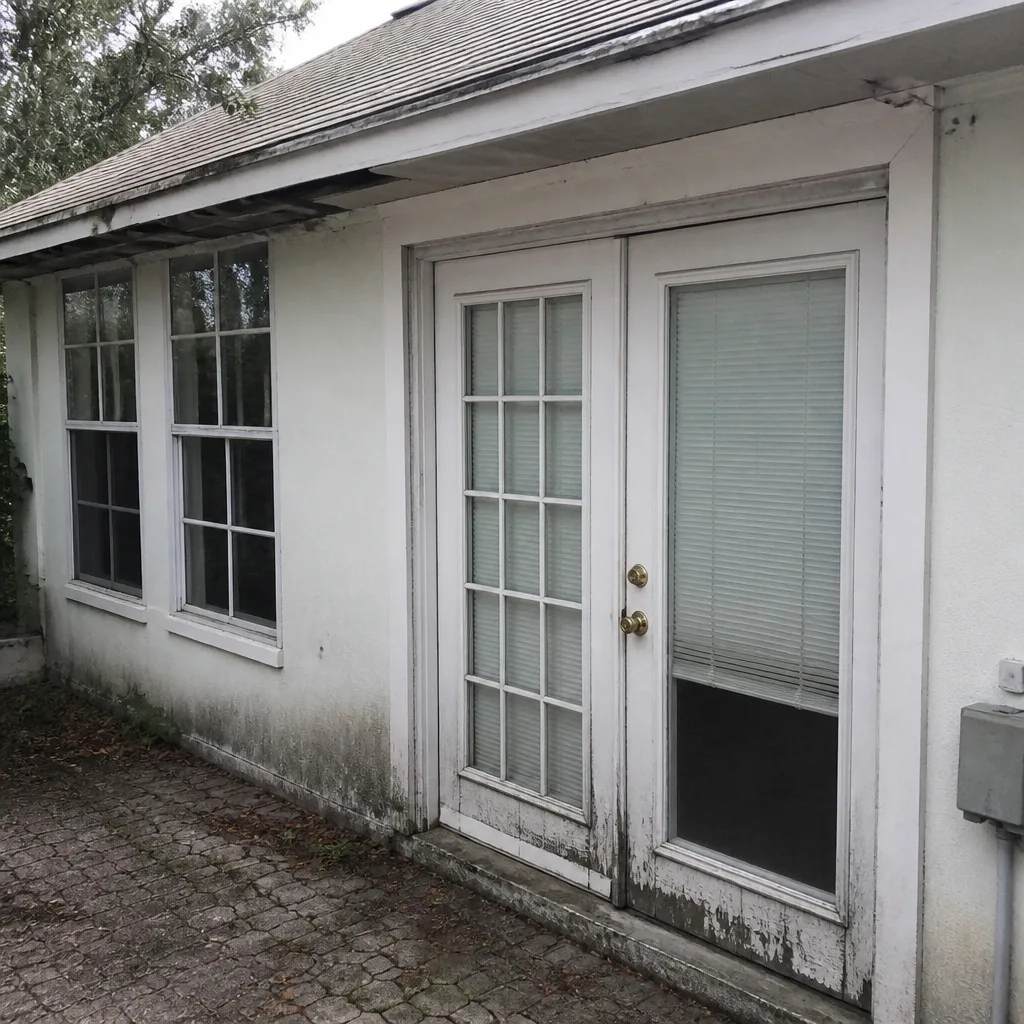 Before
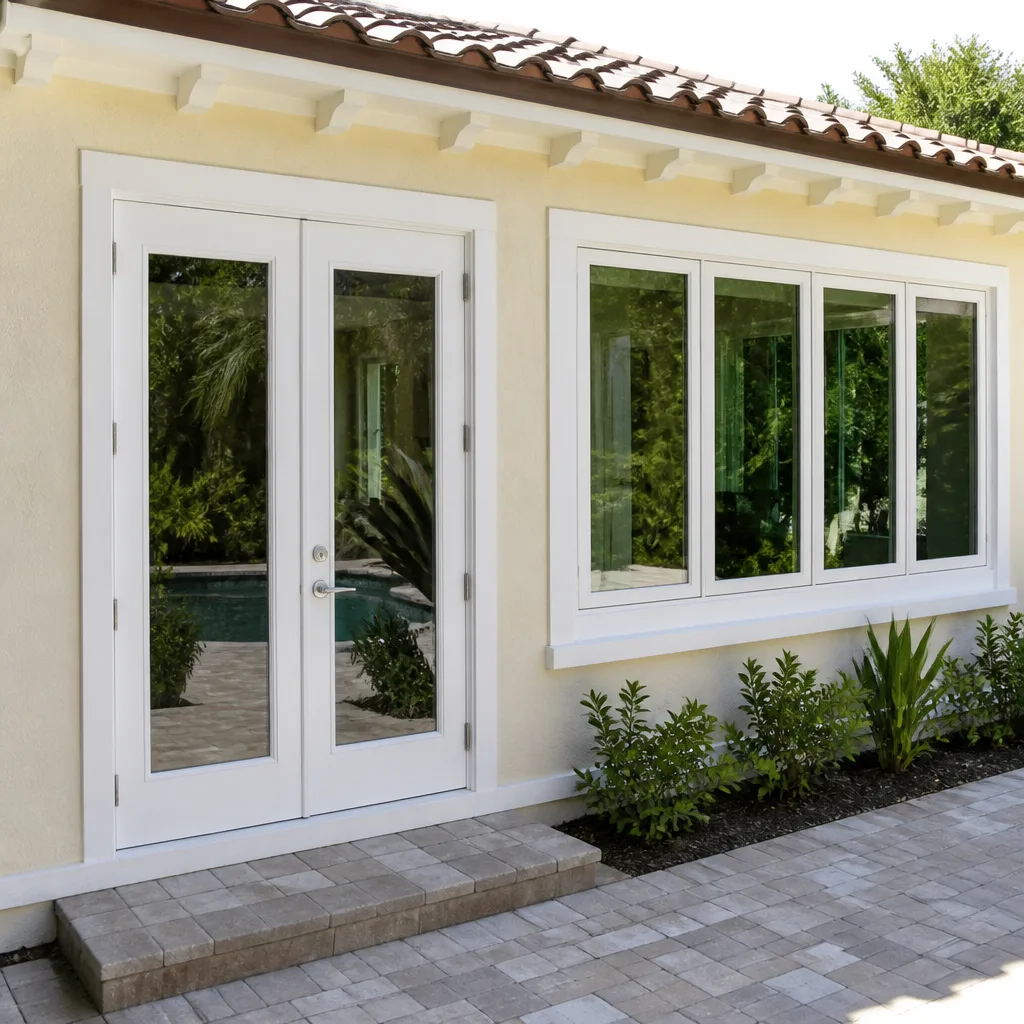 After
After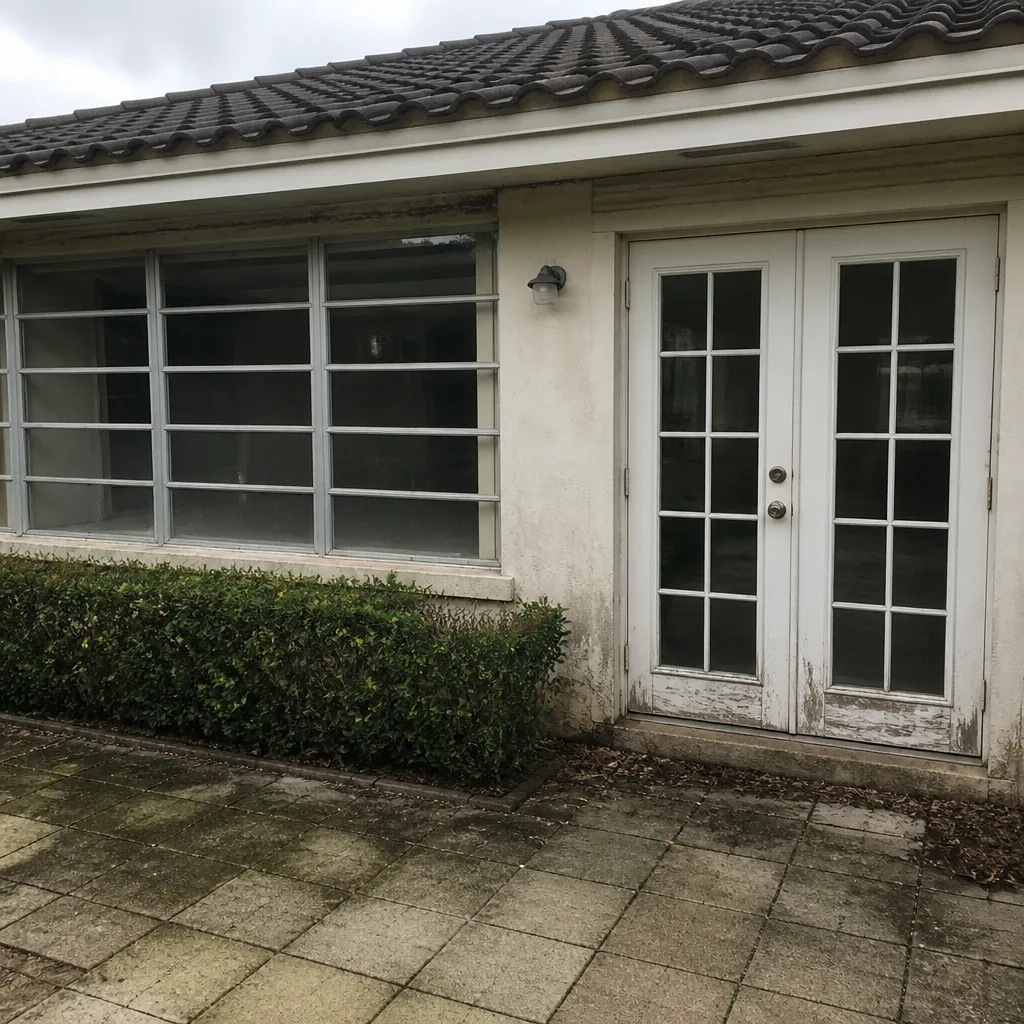 Before
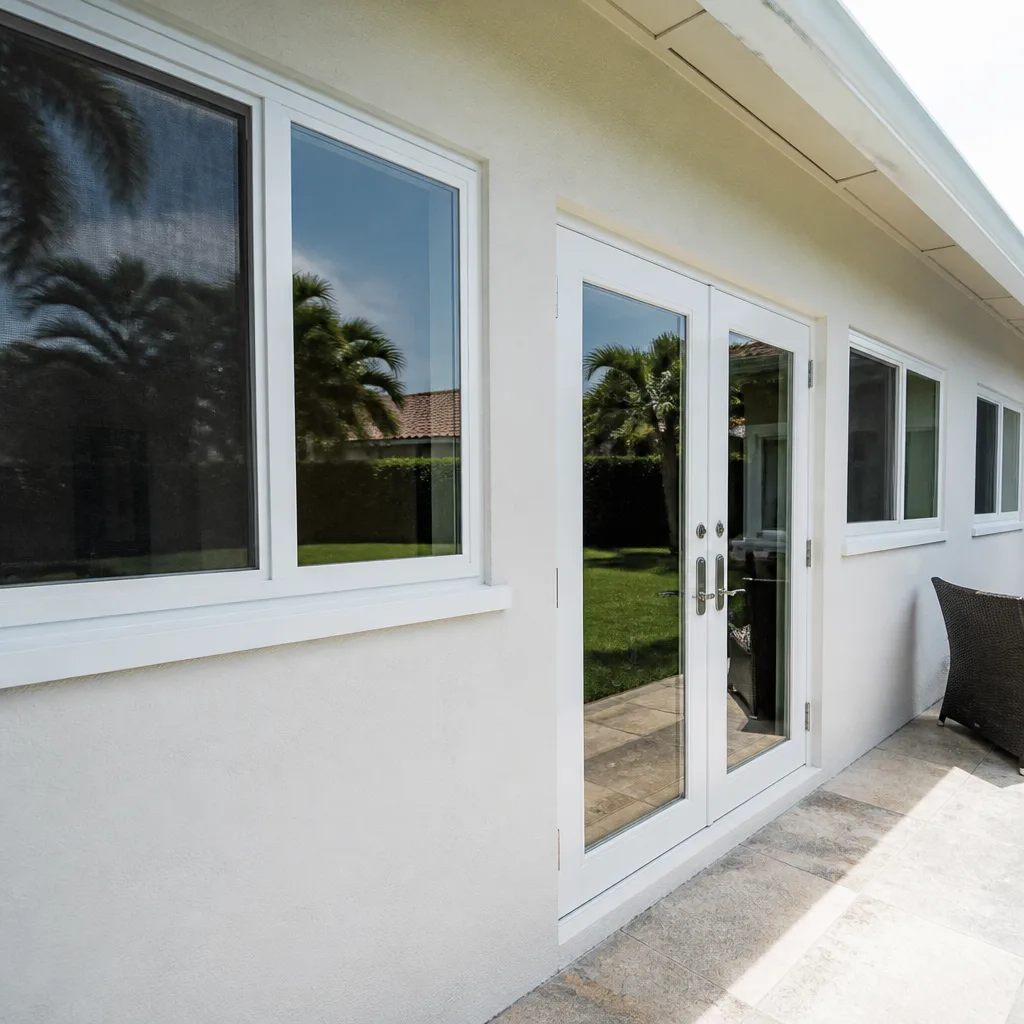 After
AfterWindows & Doors Permits, Codes & Inspections in FL: What You Need to Know
A window replacement without a permit in Florida does not just risk a fine - it creates a recorded open permit lien on the property title that can halt a real estate closing, a fact that surprises sellers who “just swapped windows” three years earlier. In Lantana, we’ve reviewed closing disclosures where a $12,000 impact window job from 2021 still showed as active in Palm Beach County’s system because the final inspection was never triggered. This guide documents the actual permit sequence, jurisdiction by jurisdiction, with the forms named by number, so you know what to verify before work starts and how to close it out properly. For more guides & resources on navigating Florida’s window and door requirements, see our blog.
Quick Answer
Most window and door replacements in Florida require a building permit, but the permit type - “like-for-like” versus “structural alteration” - determines whether you need engineering review, product approval verification, and how many inspections your job will receive. In Palm Beach County, including Lantana, like-for-like replacements typically need one permit application (Form 102), product Miami-Dade NOA on file, rough-in inspection, and final inspection; structural alterations trigger a full plan review and may add 10-14 business days to issuance.
Table of Contents
- Like-for-Like vs. Structural Alteration: The Permit Types That Matter
- How to Read a Miami-Dade NOA Before Your Product Ships
- Lantana’s Municipal Overlay: What the Town Requires Beyond Palm Beach County
- The Inspection Sequence and Realistic Timelines (2024-2025)
- How to Check Permit Status and Close Out Open Permits in Palm Beach County
- Permit Costs, Fees, and Where Your Money Goes
- Common Mistakes to Avoid
- When to Call a Professional
- Frequently Asked Questions
BeforeAfterLike-for-Like vs. Structural Alteration: The Permit Types That Matter
Florida’s building code, governed by the Florida Building Code (FBC) 7th Edition (2020) with 2023 updates, does not treat all window replacements the same. The distinction that controls your timeline, your documentation burden, and your inspection path is whether the job is classified as “like-for-like” or “structural alteration.”
Like-for-like replacement means the new window or door fits the existing rough opening without modification to the framing, header, or structural members, does not change the egress requirements, and maintains the same performance rating or improves it. In Palm Beach County, this is the most common permit type for residential window replacement in neighborhoods like Hypoluxo Island, Manalapan, and the waterfront sections of Lantana. The permit application is Form 102, the “Building Permit Application for Minor Work,” and it typically bypasses full plan review if the product has a current Miami-Dade NOA and the contractor holds a certified Florida license.
Structural alteration triggers when any of the following occur:
- The rough opening is enlarged, reduced, or relocated
- A window is converted to a door or vice versa
- The header or jack studs are modified
- The sill height changes egress compliance (especially relevant for bedrooms)
- The product rating drops below the current code minimum (downgrading from impact-rated to non-impact in a HVHZ zone, for instance)
In Palm Beach County, structural alterations require Form 101, the full building permit application, with engineered drawings stamped by a Florida-registered design professional. The plan review queue at the Palm Beach County Planning, Zoning and Building Department typically runs 10-14 business days for residential window and door jobs, though we’ve seen it stretch to 21 days during peak season (January through March). Lantana’s building department, which operates under Palm Beach County’s umbrella for plan review but handles its own inspections, does not shortcut this timeline - the town’s inspectors still verify county approval before scheduling.
The HVHZ designation is critical here. Palm Beach County sits within the High-Velocity Hurricane Zone, where the FBC requires impact-resistant coverings or impact-rated products for all exterior openings. A like-for-like replacement of a 1990s non-impact window with another non-impact window is not permitted in Lantana or anywhere in Palm Beach County, even if the existing window “still works.” For a deeper look at what to watch for, see our Windows & Doors Warning Signs: A Lantana Homeowner’s Reference Guide. The replacement must meet current HVHZ standards, which means either a product with a Miami-Dade NOA for HVHZ or a shutter system with equivalent protection documented on the permit.
We’ve measured jobs in Lantana’s Old Town where homeowners assumed their 2004-era windows were “grandfathered” because they were installed post-Hurricane Wilma. They are not. The FBC does not grandfather product performance; every replacement must meet current edition standards. This is the most common reason we see permit applications returned for correction in Palm Beach County.
How to Read a Miami-Dade NOA Before Your Product Ships
The Miami-Dade Notice of Acceptance (NOA) is the document that proves a window or door product can legally be installed in Florida’s HVHZ. It is not a marketing sheet. It is a test report, issued by the Miami-Dade County Product Control Division, that documents specific performance limits under controlled conditions. Every NOA has an expiration date, and installing a product with an expired NOA is grounds for a failed inspection - even if the product is “the same model we always use.”
Here’s how to read the document that matters:
- Locate the NOA number. It follows the format NOAXX-XXXX.XX, where the final two digits indicate the revision. A product with NOA18-0123.04 is on its fourth revision; verify you’re reading the most current version on Miami-Dade’s online portal at miamidade.gov/productcontrol.
- Check the expiration date. NOAs expire, typically on 3- or 5-year cycles. The expiration date is printed in the header of the document. Do not accept a photocopy or a contractor’s word - pull the PDF from the county portal yourself.
- Verify the product description matches your order. The NOA lists specific sizes, configurations, and glazing options. A 72″ x 80″ sliding door with laminated impact glass may be approved; the same frame with insulated laminated glass may not be, or may carry different structural limits. The product label on the frame must match the NOA description exactly.
- Confirm the installation limitations. Every NOA includes a section on allowable installation conditions: maximum sill height above grade, maximum frame deflection under load, and fastening patterns. In Lantana, where coastal exposure categories range from C to D depending on proximity to the Intracoastal, the wind speed requirement is 175 mph for Risk Category II buildings. The NOA must show test pressures that meet or exceed this design pressure.
- Check the Florida Product Approval (FPA) cross-reference. Products with a current Miami-Dade NOA typically also hold a Florida Product Approval (FPA number), which Palm Beach County accepts as equivalent. The FPA is searchable at floridabuilding.org/pr/pr_app_srch.aspx. Either document satisfies the permit application, but the NOA is the more detailed reference and the one inspectors typically request at rough-in.
At Sightline Windows & Doors Lantana home, we specify products from PGT, CGI, CWS, and ES Windows by performance tier and price range, not by margin. Each product selection is documented with its current NOA number in the written scope the customer keeps. This is Haven Clause 1: Have it in writing. The measurement, the product spec, and the price are the same document.
A specific warning for coastal Lantana properties: the NOA’s “exposure” or “application” section may limit a product to inland use only. We’ve seen contractors install “Florida-approved” windows that were not approved for Exposure D (within 600 feet of open water) on Hypoluxo Island properties. The inspection fails. The window comes out. The permit cannot close. Verify the Exposure D designation explicitly if your property is waterfront or near-breakwater.
Lantana’s Municipal Overlay: What the Town Requires Beyond Palm Beach County
Lantana is a town of roughly 11,000 residents in the southern reach of Palm Beach County, and its building department operates with a municipal overlay that adds steps the county does not require. If your contractor treats Lantana as “just Palm Beach County,” your permit will be delayed or returned.
Here is what the Town of Lantana Building Department requires in addition to Palm Beach County’s baseline:
- Contractor registration with the town. Palm Beach County licensed contractors must also register with Lantana’s building department and carry a current Town of Lantana contractor registration certificate. The registration requires proof of county license, general liability insurance, and workers’ compensation. We maintain this registration annually; not all county-licensed contractors do.
- Historical district review for properties in the Old Town Lantana area. Properties east of Dixie Highway and north of Ocean Avenue fall within Lantana’s historic overlay. Window and door replacements in this district require a Certificate of Appropriateness from the Lantana Historic Preservation Board before the building permit can issue. This adds 30-45 days to the front of the timeline and requires photos, material samples, and sometimes a staff-level pre-application meeting.
- Tree protection verification. Lantana’s Land Development Regulations (LDR) require that no tree with a diameter at breast height (DBH, 4.5 feet above grade) of 12 inches or greater be removed or damaged without a separate tree permit. Window and door jobs rarely require tree removal, but we’ve seen crane placements for multi-story installations trigger this review when a boom encroaches on the protected radius. The town’s arborist inspects before and after.
- Right-of-way permit for dumpster or material staging. If your job requires a dumpster on the street or sidewalk, or if material delivery uses a crane that blocks the right-of-way, Lantana requires a separate right-of-way permit through the Public Works Department. This is not handled by the building department and is a common scheduling chokepoint.
- Final inspection sign-off by Lantana’s inspector, not county. While Palm Beach County handles plan review, Lantana conducts its own inspections. The town uses two primary inspectors for residential work, and scheduling is done through Lantana’s online system, not the county’s. Final inspection must be passed and the permit status moved to “Finaled” in Lantana’s system - a separate step from county records.
The practical impact: a window replacement job in Lantana’s historic district, with a structural alteration permit, can run 60-75 days from application to final sign-off, compared to 14-21 days for a like-for-like replacement in an unregulated district elsewhere in Palm Beach County. For full details on planning your project, see The Complete Guide to Windows & Doors in Lantana. We build these timelines into every written scope for Lantana properties. The customer sees the sequence before work starts, not after a surprise delay.
Lantana’s building department is located at 500 Greynolds Circle and accepts permit applications by appointment. Walk-ins are not guaranteed. The department’s direct line is separate from Palm Beach County’s main number, and response times vary by season. In our experience, February through April sees the longest callback delays.
The Inspection Sequence and Realistic Timelines (2024-2025)

Permit issuance is not the finish line. It is the starting gun for a sequence of inspections that must be passed in order, with specific documentation required at each stage. Missing one step creates an open permit that lingers on the property record indefinitely.
Here is the actual sequence for a typical residential window or door replacement in Palm Beach County, including Lantana, with the calendar gaps we’ve observed in 2024-2025:
- Permit issuance. After application and plan review (if required), the permit is issued and must be posted on site before work begins. Typical timeline: 3-5 business days for like-for-like with current NOA; 10-21 business days for structural alteration with plan review. Lantana’s overlay adds 1-2 days for contractor verification.
- Product delivery verification. The inspector may request to verify product labels against the NOA at delivery, particularly for impact-rated products. This is not a formal inspection code but a common practice in Palm Beach County since 2022. Schedule flexibility matters here - if the inspector cannot arrive within 24 hours of delivery, the product may sit staged and exposed. We photograph every delivery with labels visible as part of our documented photo record.
- Rough-in inspection. For window and door replacements, “rough-in” typically means the opening is prepared, flashing is installed, and the product is set but not fully trimmed or finished. The inspector verifies: product label matches permit and NOA; fastening pattern matches NOA specifications; flashing integration with weather-resistant barrier; and structural members are intact (no unauthorized modifications). In Lantana, rough-in inspections are typically scheduled 2-3 business days out from request. Failed rough-ins require re-inspection, usually 3-5 business days later, plus correction time.
- Final inspection. After trim, interior finishing, and cleanup, the final inspection verifies: product operates as intended; screens and hardware are installed; egress requirements are met (especially for bedrooms); and site conditions match approved plans. Final inspection scheduling in Lantana runs 2-4 business days in off-season, 4-7 in peak season. The inspector signs the permit card and updates the online status to “Finaled.”
Total realistic timeline from permit application to final sign-off: 14-28 days for like-for-like in non-historic Lantana; 45-75 days for structural alteration or historic district work.
The gap that most homeowners miss: between rough-in and final, there is no automatic trigger. The contractor must request final inspection. We’ve seen permits sit open for months because the contractor considered the job “done” at rough-in and never called for final. The homeowner discovers this at closing, when the title search reveals an active permit with no final sign-off. The cure is simple - call for final, pass final, verify online - but it requires the contractor to follow through.
Our Haven Standard includes this step explicitly. Haven Clause 4: Evidence on every job. The documented photo record includes the final inspection approval, and we verify the online status with the customer before considering the engagement complete.
How to Check Permit Status and Close Out Open Permits in Palm Beach County
Palm Beach County maintains a public permit search portal at pbcgov.com/pzb/building. Lantana’s permits appear in this system, but with a critical caveat: the county database shows county-level status, while Lantana’s final sign-off may lag or require separate verification through the town’s own system. For properties in Lantana, check both.
Here is how to use the county portal effectively:
- Search by property address. The portal accepts partial addresses. Enter the street number and name; omit unit numbers initially if the search returns no results.
- Read the status column carefully. “Issued” means the permit is active and work may proceed. “Inspection” means an inspection has been requested or conducted. “Finaled” means all required inspections are passed and the permit is closed. “Expired” means the permit exceeded its validity period without final sign-off - this is the status that creates title problems.
- Understand “expired permit” liability. An expired permit does not automatically disappear. It remains on the property record and may require renewal (with additional fees) or abandonment (requiring an as-built inspection to verify work was completed to code). In some cases, the building department may require partial removal of finishes to verify concealed work. This is why we never let a permit expire on a Sightline job - the written scope includes the final inspection as a deliverable, not an option.
- Request a permit history letter for real estate transactions. If you are selling, request a formal permit history letter from Palm Beach County and a separate verification from Lantana’s building department. This confirms no open or expired permits exist. The cost is minimal; the value at closing is substantial.
- Close an open permit yourself if the contractor is unresponsive. If you discover an open permit from a prior job, contact the original contractor first. If they are unlicensed, unresponsive, or out of business, you can hire a licensed contractor to assume the permit (with department approval) or request an owner-builder inspection (which places liability on you for code compliance). The safer path is usually to hire a licensed contractor to evaluate and assume the permit scope.
We’ve reviewed permit histories for Lantana homeowners where three different contractors had started work, pulled permits, and never closed them. The cumulative fees to resolve these expired permits exceeded the original window replacement cost. The prevention is verification at the time of work, not discovery at closing.
Permit Costs, Fees, and Where Your Money Goes
Permit fees in Florida are not arbitrary. They are calculated by formula, and understanding the components helps you verify that your contractor is not padding the line item or, conversely, skipping the permit to cut costs.
Palm Beach County’s fee structure for residential window and door permits (2024-2025):
- Base permit fee: Calculated on valuation of work. For window replacement, the county uses a standard valuation table - typically $75-$150 per opening for like-for-like, higher for structural alteration. The permit fee is roughly 1.5% of valuation, with a $75 minimum.
- Plan review fee: 50% of the base permit fee, charged only when plan review is required (structural alteration, not like-for-like).
- Florida Building Commission surcharge: Fixed at 1.5% of permit fee, remitted to the state.
- Energy surcharge: Fixed fee, currently $3.50 per permit, for Florida’s energy code administration.
- Lantana municipal fee: The town adds a 2% administrative fee on the county-calculated permit total, plus a $25 contractor registration verification fee if the contractor’s annual registration is not current.
Typical total permit cost for a 10-window like-for-like replacement in Lantana: $180-$320. For a structural alteration with plan review: $450-$750. These are direct costs paid to the jurisdiction; they do not include contractor time for application, scheduling, or inspection attendance.
At Window Installation in Lantana, we itemize the permit fee as a separate line in the written scope, with the estimated amount named in dollars. The customer sees exactly what the jurisdiction charges, not a rounded “permit and fees” markup. This is Haven Clause 1: the measurement and the quote are the same document.
Be wary of quotes with no permit line item. In Florida, the property owner is ultimately responsible for permit compliance, not the contractor. An unpermitted job can be red-tagged (work ordered stopped), fined (up to $500 per day in Palm Beach County for continuing without permit), and required to be removed or exposed for inspection. The savings of skipping the permit are dwarfed by the cost of remediation.
Common Mistakes to Avoid
- Assuming “like-for-like” without verifying the existing product’s approval status. The existing window may have been installed before current HVHZ requirements, making any replacement a code-upgrade by default. We verify this during our measured survey.
- Accepting a contractor’s photocopy of an NOA without checking the county portal. NOAs expire. Revisions supersede prior versions. The only authoritative source is the online database.
- Neglecting Lantana’s historic overlay for Old Town properties. The Certificate of Appropriateness is a hard gate - no building permit issues without it. We flag this in our initial site assessment for qualifying addresses.
- Failing to request final inspection. Rough-in passage does not close the permit. The contractor must request final, and the homeowner should verify online status within 48 hours of claimed completion.
- Installing non-impact products in HVHZ zones based on “inland” assumptions. Even properties a mile from the coast in Lantana may be in Exposure C or D. The design pressure requirement is jurisdiction-wide, not coastline-only.
- Paying in full before permit finalization. A contractor with full payment has reduced incentive to complete the inspection sequence. Our payment terms tie final payment to permit closure and customer sign-off, documented in the written scope.
When to Call a Professional
Call a licensed contractor when your job involves structural alteration, historic district requirements, or any product without a current Miami-Dade NOA or Florida Product Approval. Not sure whether to tackle it yourself? Read our DIY vs Professional Windows & Doors: The Lantana Homeowner’s Decision Guide first. Call when you have discovered an open or expired permit from prior work and need to clear it for sale or refinance. Call when the inspection sequence has stalled and you need a licensed professional to assume or reactivate the permit.
Window Replacement in Lantana and door replacement are governed by codes that change with each FBC edition, by product approvals that expire, and by municipal overlays that vary block by block. The cost of professional guidance is modest against the cost of a failed inspection, an expired permit, or a halted closing.
Sightline Windows & Doors Lantana offers free estimates in Lantana. Every estimate includes a measured survey you keep, a written scope with product specs and current NOA numbers, and a timeline that accounts for your specific jurisdiction’s requirements. Call (561) 461-2062 to schedule.
Frequently Asked Questions
Yes, nearly all window replacements in Florida require a building permit because they involve structural openings, weather protection, and energy code compliance. In Palm Beach County and Lantana, even like-for-like replacements require a permit with product approval verification and two inspections. Call (561) 461-2062 for an exact quote on your specific job - estimates are free.
A typical residential window permit in Palm Beach County costs $180-$320 for a 10-opening like-for-like replacement, and $450-$750 for structural alterations requiring plan review. Lantana adds a 2% municipal administrative fee plus a $25 contractor registration check. We itemize these fees by name and estimated amount in every written scope. Call (561) 461-2062 for pricing on your specific project.
A Miami-Dade Notice of Acceptance is a test report proving a window or door product can withstand the wind pressures and impact forces required in Florida’s High-Velocity Hurricane Zone. It is mandatory for exterior openings in Palm Beach County and Lantana. The NOA must be current, and the product label must match the NOA description exactly, or the inspection will fail. We document the NOA number for every product in our written scopes.
Like-for-like replacements in Lantana typically take 14-21 days from application to final sign-off, assuming no historic overlay. Structural alterations or properties in Lantana’s historic district run 45-75 days due to plan review or Certificate of Appropriateness requirements. These timelines are built into our written scopes before work starts.
An unpermitted window replacement can be red-tagged (work stopped), fined up to $500 per day in Palm Beach County, and required to be exposed for inspection. It also creates an open permit risk that can surface at closing. If you discover this, stop work, contact the contractor to pull a retroactive permit (if they are licensed), or hire a licensed contractor to assume the scope. We offer free second opinions on any written estimate, including retroactive permit situations.
Yes. Search Palm Beach County’s permit portal at pbcgov.com/pzb/building by your property address. For Lantana properties, also verify with the town’s building department directly. The status should read “Finaled.” If it reads “Issued,” “Inspection,” or “Expired,” the permit is open and requires action. We verify final status with every customer as part of our standard closeout.
Window replacement does not trigger a reassessment in Florida unless the replacement is part of a larger structural addition or the square footage changes. Like-for-like replacement is considered maintenance, not improvement, for property tax purposes. However, unpermitted work discovered during any future assessment can complicate the record. A properly permitted and closed job protects your documentation.
The Bottom Line
Florida’s window and door permit process is navigable, but it is not forgiving of assumptions. The difference between like-for-like and structural alteration controls your timeline. The Miami-Dade NOA’s expiration date and Exposure D designation control your product legality. Lantana’s municipal overlay adds steps that county-only contractors miss. And the final inspection - not the rough-in, not the payment, not the handshake - is what closes the permit and protects your title.
Every Sightline engagement begins with a measured survey that documents your existing conditions, specifies products by NOA and performance tier, and names the permit sequence for your specific address. The written scope you keep is the same document that governs the installation. Haven Clause 1: Have it in writing. Haven Clause 4: Evidence on every job. Call (561) 461-2062 to schedule your free estimate.
Written by Sonia Raman, Owner at Sightline Windows & Doors Lantana, serving Lantana since 2012.